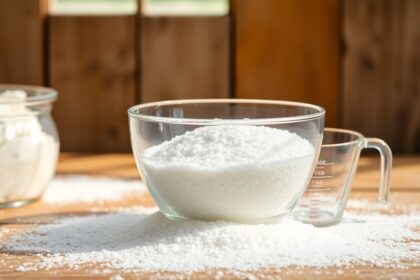

When baking chocolate chip cookies, choosing between light and dark brown sugar can really make a difference. Light brown sugar has a mild flavor and leads to crispier cookies, while dark brown sugar offers a richer taste and results in chewier, softer cookies. Each type adds distinct color and caramelization to your treats. If you want to perfect your cookies and understand how to customize these sugars, there’s more to discover about their unique qualities and uses.
Understanding Light and Dark Brown Sugar
When it comes to baking, understanding the differences between light and dark brown sugar can elevate your cookies.
Both types stem from sugar cane or sugar beets, but they differ primarily in their molasses content. Light brown sugar has about 3.5% molasses, giving it a mild flavor, while dark brown sugar contains roughly 6.5%, resulting in a richer taste. The higher molasses content in dark brown sugar can also contribute to a denser cookie texture. Using browned butter in your cookie recipe can further enhance this richness and depth.
Both light and dark brown sugars differ in molasses content, influencing their flavor profiles—mild for light and rich for dark.
This distinction is rooted in their brown sugar origins and the sugar refining processes used to create them. When you choose one over the other, consider how the intensity of flavor will impact your cookies. Brown sugar’s moisture content can also influence the chewiness of your cookies, enhancing their overall texture.
Light brown sugar’s sweetness can enhance the overall flavor, but dark brown sugar can add depth that makes your cookies truly stand out.
How Sugar Types Affect Cookie Texture

When you choose between light and dark brown sugar for your cookies, you’re affecting their texture in key ways.
Light brown sugar retains less moisture, leading to a crispier bite, while dark brown sugar adds richness and chewiness. The higher moisture content in dark brown sugar can also contribute to a tender texture in cookies, enhancing their overall chewiness. Additionally, using granulated sugar can also influence texture, offering a different level of sweetness and chewiness. Moreover, accurate baking times are essential to ensure that the cookies achieve that perfect gooey center, regardless of the sugar type used.
Moisture Retention Differences
While both light and dark brown sugar contribute sweetness to cookies, their moisture retention properties greatly affect texture.
Light brown sugar contains slightly less molasses than dark, leading to lower moisture levels. This difference means that cookies made with light brown sugar often turn out crispier. Additionally, cookies made with white sugar may spread too much and have a softer center, further highlighting the contrast in texture. For those aiming for the perfect balance, consider chilling the dough to improve the overall cookie structure.
On the other hand, dark brown sugar’s higher molasses content increases sugar consistency, resulting in a chewier, denser cookie. If you prefer a soft and moist texture, dark brown sugar is your go-to.
Conversely, if you enjoy a crispier bite, stick with light brown sugar. Understanding these moisture retention differences can help you achieve your desired cookie texture, making each batch a delicious success. Additionally, using a combination of light brown sugar and granulated sugar can create a delightful chewy-crisp balance.
Caramelization and Flavor Impact
The type of sugar you choose not only impacts moisture retention but also plays a significant role in caramelization and overall flavor.
When you use light brown sugar, its mild molasses content enhances cookies subtly, giving a delicate caramel flavor. In contrast, dark brown sugar, with its higher molasses ratio, yields a richer, deeper taste and promotes more intense caramelization techniques.
This process not only contributes to a chewier texture but also amplifies the flavor enhancement, making each bite more satisfying. By choosing the right sugar, you control how your cookies taste and feel. Additionally, the sugar ratios in your recipe can further influence the chewiness and crispiness of your cookies.
Flavor Profiles: Light vs. Dark Brown Sugar
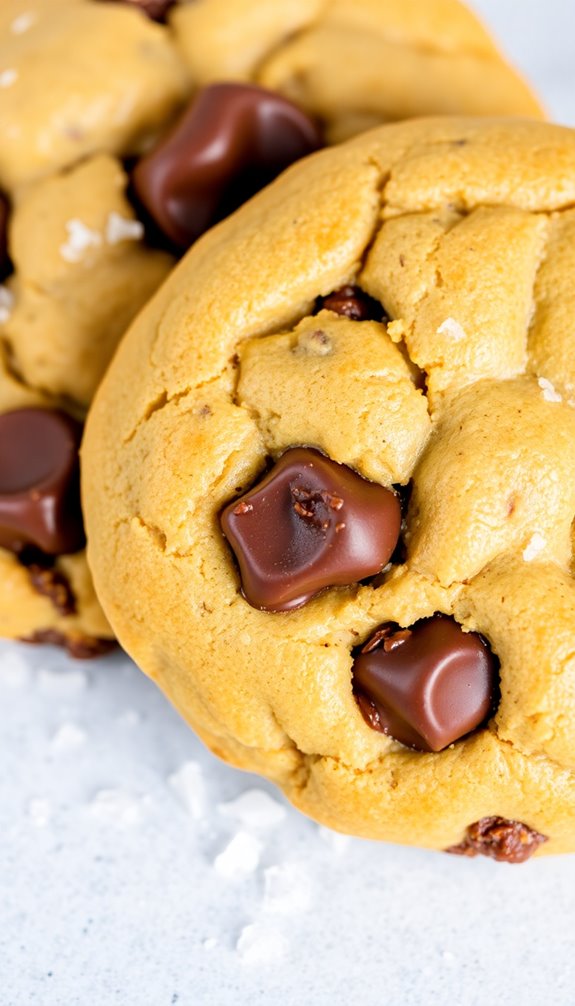
When choosing between light and dark brown sugar for your cookies, consider how their sweetness levels differ.
Light brown sugar offers a milder sweetness, while dark brown sugar packs a punch with its richer molasses flavor.
This distinct taste will influence the overall flavor profile of your cookies, so pick wisely!
Sweetness Level Comparison
How do light and dark brown sugars stack up regarding sweetness?
When you compare these sugar types, you’ll find that light brown sugar offers a milder sweetness, thanks to its lower molasses content. This gives your cookies a more subtle flavor, allowing other ingredients to shine.
On the other hand, dark brown sugar packs a sweeter punch, enriching the overall sweetness balance with its deeper flavor profile. This can make your chocolate chip cookies taste more indulgent and decadent.
Depending on your preference, you might choose light brown sugar for a delicate touch or dark brown sugar for a richer sweetness.
Ultimately, your choice will shape the cookie’s flavor and sweetness experience.
Molasses Flavor Influence
Light and dark brown sugars not only differ in sweetness but also in their molasses content, which notably influences their flavor profiles.
When you use light brown sugar, you’ll notice a subtle sweetness with a gentle molasses depth. This can enhance your chocolate chip cookies, giving them a soft, warm flavor without overpowering the chocolate.
On the other hand, dark brown sugar packs a punch with more molasses, adding richer flavor complexity. This depth contributes to a more robust, caramel-like taste that can elevate your cookies to a whole new level.
Depending on your preference, choosing one over the other can markedly change the overall taste of your cookies, making it an essential decision in your baking process.
The Role of Molasses in Dark Brown Sugar
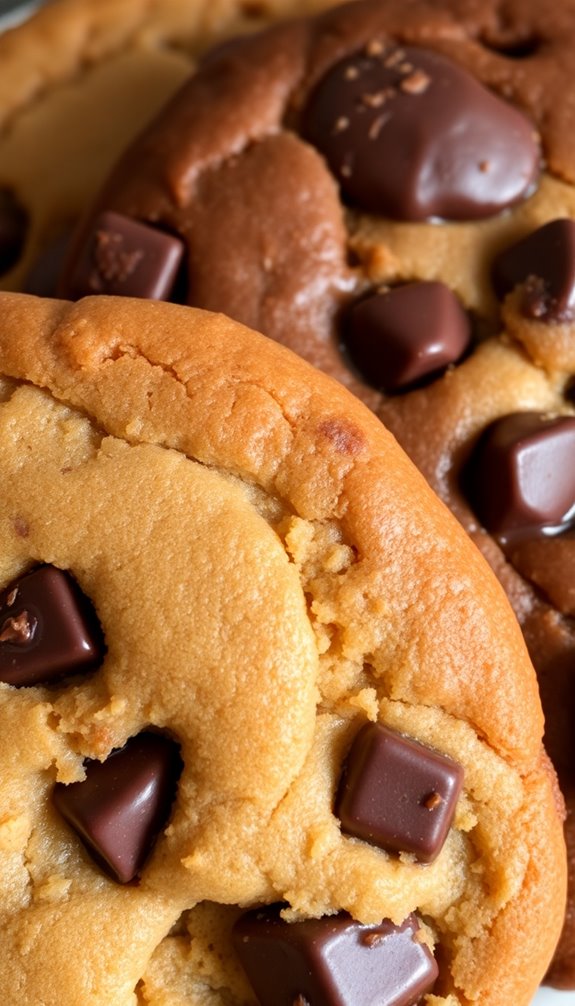
While many bakers appreciate the sweetness of brown sugar, it’s the molasses in dark brown sugar that truly sets it apart. This rich ingredient not only enhances the flavor but also provides several distinct benefits:
- Adds moisture to your cookies, preventing them from drying out.
- Contributes a deeper, more complex flavor profile.
- Boosts the overall chewiness of the cookie.
- Imparts a slight hint of caramel and toffee notes.
- Provides essential minerals like calcium, potassium, and iron.
The molasses benefits elevate your chocolate chip cookies, giving them an irresistible flavor depth that you won’t achieve with light brown sugar.
When to Use Light Brown Sugar in Cookies?
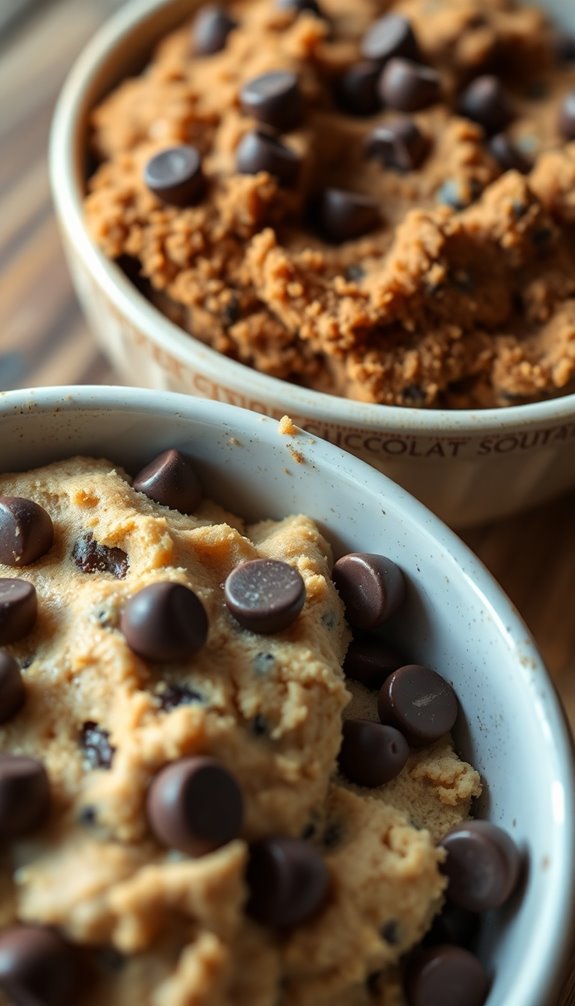
When baking cookies, light brown sugar can be your go-to for a milder sweetness and a soft texture. It’s perfect for recipes where you want to highlight other flavors, like nuts or spices, without overwhelming them.
Using light brown sugar is a key baking technique for achieving that chewy consistency many cookie lovers crave. If you’re making cookies that rely on a balance of flavors—like oatmeal raisin or peanut butter—light brown sugar helps maintain that harmony.
It adds a touch of caramel flavor without being too assertive. So, next time you’re whipping up a batch, consider reaching for light brown sugar to enhance your cookie’s overall appeal and texture.
Benefits of Dark Brown Sugar in Baking
If you want to deepen the flavor profile of your baked goods, dark brown sugar is an excellent choice. Its unique properties can elevate your cookies in several ways:
- Rich flavor: Dark brown sugar adds a deep, complex taste that enhances your baked goods.
- Moisture boost: The higher molasses content provides a moisture boost, ensuring soft, chewy cookies.
- Cookie depth: It contributes to a more profound cookie depth, making each bite memorable.
- Caramel notes: The subtle caramel notes bring an indulgent sweetness that complements chocolate beautifully.
- Baking versatility: Dark brown sugar works well in a variety of recipes, from cookies to cakes, offering enhanced sweetness and flavor.
Incorporating dark brown sugar into your baking can transform your treats into something truly special!
How Sugar Color Influences Cookie Appearance
The color of sugar you choose can greatly impact your cookies’ appearance, creating visual appeal that draws people in. Light brown sugar lends a soft, golden hue, enhancing cookie aesthetics with a warm, inviting look.
The sugar color you choose can transform your cookies, adding warmth and visual appeal that captivates everyone.
In contrast, dark brown sugar produces deeper, richer tones, giving your cookies a more dramatic baking presentation. This sugar color also influences texture contrast; lighter sugars often yield a softer cookie, while darker varieties can lead to a chewier texture.
Your ingredient choice directly affects flavor perception, too. Using different sugars can create delightful recipe variations, making each batch unique.
Ultimately, the sugar you select not only shapes your cookies’ look but also enhances their overall charm and appeal.
Substituting Between Light and Dark Brown Sugar
Choosing between light and dark brown sugar isn’t just about appearance; it can also affect your baking results. When substituting, consider these key factors:
- Substitution Ratios: Use a 1:1 ratio, but adjust based on flavor.
- Flavor Compatibility: Dark sugar adds deeper molasses notes; light keeps it milder.
- Baking Chemistry: Different sugars react differently, influencing spread and texture.
- Moisture Balance: Dark brown sugar has more moisture, affecting cookie chewiness.
- Recipe Adjustments: Taste testing is essential; minor tweaks can enhance your final product.
Whether you’re blending sugars or making cookie adaptations, each choice impacts your cookies.
Understanding these elements will help you achieve the perfect balance in your baking.
Experimenting With Sugar Combinations
When you experiment with sugar combinations, you’ll discover exciting flavor profiles that can elevate your cookies.
Mixing light and dark brown sugar can enhance both sweetness and depth, while also affecting texture.
You might be surprised at how these variations impact your final product!
Flavor Profiles Explored
While experimenting with sugar combinations, you’ll discover that the distinct flavors of light and dark brown sugar can elevate your cookie recipes. Each type brings unique qualities that can cater to your taste preferences and enhance your baking techniques.
Here are some flavor profiles to contemplate:
- Light brown sugar offers a milder, caramel-like sweetness.
- Dark brown sugar imparts a richer, molasses flavor.
- Combining both can create a complex taste experience.
- Regional variations may influence your choice of sugar.
- Ingredient substitutions can lead to cookie innovations and exciting flavor experiments.
Understanding sugar origins and culinary traditions can inspire your baking journey, making your chocolate chip cookies uniquely yours.
Enjoy the process of discovery!
Texture Differences Noted
Exploring the flavor profiles of light and dark brown sugar naturally leads to evaluating how they affect the texture of your cookies.
The texture variations you notice come down to baking chemistry. Dark brown sugar often brings a higher chewiness factor, while light brown sugar can enhance a softer bite.
The spread rate of your cookies also changes based on your mixing technique and ingredient ratios. If you allow for adequate resting time, you’ll achieve better dough consistency, which further influences texture.
Don’t overlook the oven temperature—too high can lead to uneven results.
Finally, the cooling method plays an essential role; letting cookies cool on the baking sheet can enhance that delightful chewiness you crave.
Famous Recipes Featuring Each Sugar Type
Whether you prefer the rich, molasses-like flavor of dark brown sugar or the lighter, caramel notes of light brown sugar, both types play an essential role in famous cookie recipes.
Whether you enjoy the deep, molasses flavor of dark brown sugar or the sweet caramel notes of light brown sugar, both elevate cookie recipes.
Each sugar brings unique qualities to classic cookie recipes, showcasing regional variations that delight cookie lovers everywhere.
Here are some iconic recipes for each type:
- Dark Brown Sugar: Chewy chocolate chip cookies with a deep flavor.
- Light Brown Sugar: Classic Toll House cookies with a balanced sweetness.
- Regional Variation: New Orleans-style cookies featuring dark brown sugar and spices.
- Texture: Brown butter cookies using light brown sugar for a nutty twist.
- Healthier Option: Oatmeal cookies with dark brown sugar for a richer taste.
Explore these recipes to find your favorite!
Tips for Perfecting Your Cookie Recipe
Choosing between light and dark brown sugar can set the stage for your cookie’s flavor and texture, but nailing the recipe itself is just as important.
Start by mastering cookie baking techniques, like creaming butter and sugar properly to incorporate air, which gives your cookies a light, fluffy texture. Always verify sugar measurement accuracy; use a kitchen scale for the best results. When measuring by volume, spoon the sugar into the cup and level it off instead of packing it down.
Experiment with baking times, as ovens can vary. Finally, let your dough rest for at least 30 minutes before baking; this allows flavors to develop and can enhance the overall texture.
Happy baking!
Common Mistakes With Brown Sugar in Baking
When baking with brown sugar, it’s easy to make a few common mistakes that can affect your cookies’ outcome. Here are some pitfalls to avoid:
- Ignoring common misconceptions about light vs. dark brown sugar.
- Using incorrect measuring techniques, like packing sugar too tightly.
- Making sugar substitutions without considering their impact on flavor balance.
- Not adjusting baking ratios when changing cookie variations.
- Overlooking ingredient interactions that can alter texture.
These mistakes can lead to cookies that don’t turn out as expected.
To achieve the best results, remember to make appropriate recipe adjustments and pay attention to how brown sugar influences your cookies.
With a little care, you can elevate your baking game!
Storage Tips for Brown Sugar
To keep your brown sugar fresh, it’s essential to store it in the right container. Airtight containers work best to prevent moisture loss, ensuring it stays soft and usable.
If you notice it’s getting hard, try adding a slice of bread or a damp paper towel to help retain moisture.
Best Storage Containers
Although brown sugar adds depth to your cookies, storing it properly is essential to maintain its moisture and prevent hardening. Here are some effective storage solutions:
- Use airtight containers like glass jars or plastic bins for ideal moisture control.
- Consider vacuum sealing for long-term storage, keeping air out completely.
- Employ label systems to track freshness and expiration dates.
- Think about repurposing containers from other foods to save money and space.
- Pay attention to temperature considerations, keeping your brown sugar in a cool, dry place.
Keeping It Moist
Keeping your brown sugar moist is essential for baking delicious cookies, as dry sugar can lead to crumbly textures. To maintain the right moisture balance, store your brown sugar in an airtight container. This simple step prevents air exposure and keeps it soft and pliable.
If your sugar does dry out, you can revive it by adding a slice of bread or a few marshmallows—both work wonders. Remember to check the container periodically to guarantee it’s not getting too hard.
When you keep your brown sugar moist, you’re not only preserving its flavor but also enhancing the overall texture of your cookies. With these tips, you’ll always have the perfect brown sugar on hand for your baking adventures!
Conclusion: Choosing the Right Sugar for Your Cookies
When you’re deciding between light and dark brown sugar for your cookies, consider how each type will affect flavor and texture. Your cookie preferences will guide you, and understanding the differences can help you make the right choice.
- Light Brown Sugar: Offers a subtle caramel flavor, great for classic cookies.
- Dark Brown Sugar: Provides a richer, more intense flavor, ideal for bold tastes.
- Moisture Content: Dark brown sugar retains more moisture, leading to chewier cookies.
- Sugar Alternatives: Experimenting with alternatives like coconut sugar can create unique flavors.
- Baking Impact: Each sugar impacts browning and spreading, so choose wisely!
Ultimately, it’s about finding the right balance for your perfect cookie experience. Enjoy baking!
Conclusion
When it comes to baking chocolate chip cookies, remember: “You can’t make an omelet without breaking a few eggs.” Choosing between light and dark brown sugar can elevate your cookies in different ways. Light brown sugar gives a softer texture, while dark brown sugar adds depth and richness. Experiment with both to find your perfect balance. Ultimately, it’s about personal preference, so trust your taste buds and enjoy the delicious journey of cookie-making!