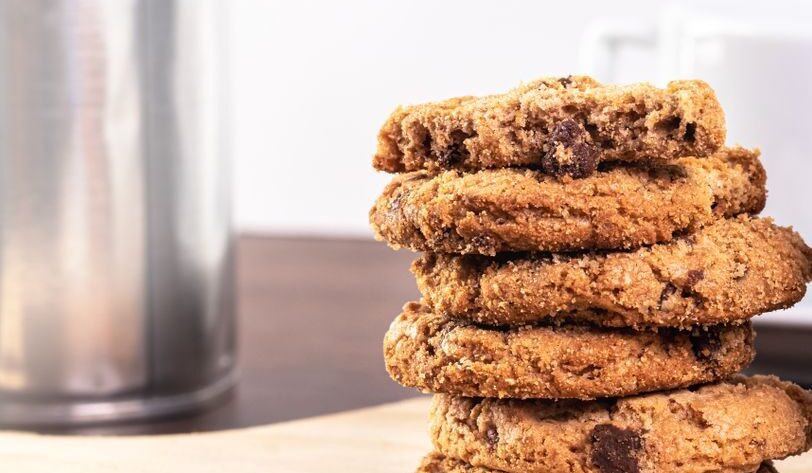
The ultimate guide to chocolate chip cookies comes down to a few decisions: which fat, sugar and flour you use, how you mix the dough, and where the pan sits in the oven. A classic chocolate chip cookie is a drop cookie built from butter, sugar, egg, flour, leavening and chocolate pieces. Small changes to those ratios and techniques shift the result from chewy to crisp, flat to puffed, and pale to deeply golden. This guide answers the questions home bakers ask most and explains the reasons behind each answer.
Key Takeaways
- Brown sugar contains more moisture than white sugar, which is one reason recipes that use more brown sugar tend to produce chewier cookies.
- A moderate Maillard reaction, the browning process between sugars and proteins, gives flour-based foods their flavor and color, but excessive browning reduces the bioavailability of essential amino acids, particularly lysine.
- In model cookies studied in the Journal of Agricultural and Food Chemistry, higher oven temperatures and fructose as the sugar source were associated with the least lysine damage and the least CML formation.
- The U.S. Food and Drug Administration advises consumers not to eat raw cookie dough and to keep raw flour and eggs apart from ready-to-eat foods.
- Commercially produced cookie dough is generally made with pasteurized eggs and treated flour, which is why store-bought cookie dough ice cream is considered safe to eat.
What Makes a Great Chocolate Chip Cookie?
A great chocolate chip cookie has a golden edge, a tender center that matches your preferred texture, and chocolate that stays distinct in every bite. The balance of fat, sugar, flour and leavening controls those outcomes more than any single ingredient. Once you understand what each ingredient does, you can adjust a recipe with confidence instead of guessing.
Which Ingredients Matter Most?
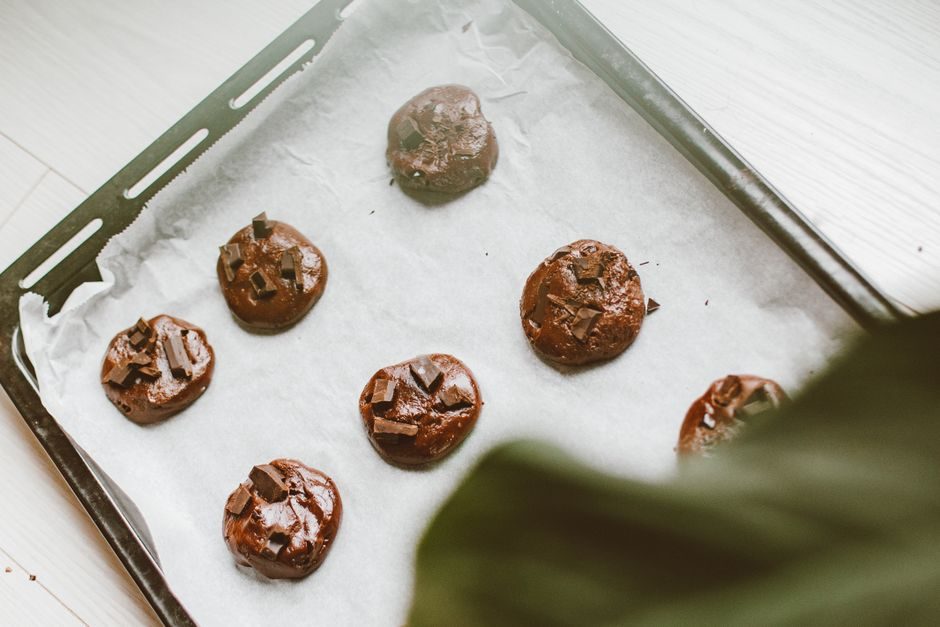
Butter provides flavor and spread, sugar controls moisture and texture, flour gives structure, and the egg binds everything together. Baking soda raises the cookie and promotes browning, while salt sharpens the sweetness. Chocolate chips or chunks add pockets of richness, and chunks tend to melt into larger, irregular pools than uniform chips.
- Use softened butter at a cool room temperature so it creams well without becoming greasy.
- Measure flour by weight when possible, or spoon it into the cup and level it off to avoid a dense, dry dough.
- Add an extra egg yolk if you want a richer, chewier center.
- Choose chocolate you enjoy eating on its own, since its flavor will be front and center.
Should You Brown the Butter?
Browning butter adds a nutty, toffee-like flavor, but it also removes water and changes how the dough spreads. Melted or browned butter usually produces a flatter, chewier cookie than creamed butter does. If you brown it, let it cool and firm up before mixing, or your dough will be too loose.
Chewy or Crispy: How Do You Control the Texture?
You control chewy versus crispy texture mainly through the ratio of brown sugar to white sugar, the amount of moisture in the dough, and how long the cookies bake. More brown sugar and less baking time favor a soft center, while more white sugar and longer baking favor a crisp, snappy cookie. Chilling the dough also changes the final shape and depth of flavor.
Does Brown Sugar or White Sugar Make a Better Cookie?
Brown sugar generally gives a moister, chewier cookie with a deeper, caramel-like flavor, while white sugar encourages spread and crispness. Light brown sugar is milder, and dark brown sugar has more molasses and a stronger taste. For a detailed comparison, read our guide on light versus dark brown sugar in chocolate chip cookies.
Why Do Some Cookies Spread Too Much?
Cookies spread too much when the butter is too warm, the dough is too soft, the oven is not hot enough, or there is too little flour for the amount of fat. Chilling the dough for 30 minutes or more before baking helps the fat set so the cookie holds its shape. If your cookies still spread, our article on why chocolate chip cookies turn out flat walks through the most common causes and fixes.
How Do Chewy, Crispy and Cakey Cookies Compare?
Each texture comes from a predictable combination of ingredients and technique. Use the table below as a starting point, then adjust one variable at a time so you can see what changed.
| Cookie Style | Typical Adjustment | Result | Best Bake Tip |
|---|---|---|---|
| Chewy | More brown sugar, extra egg yolk | Soft, moist center with golden edges | Pull them out when the centers look slightly underdone |
| Crispy | More white sugar, less brown sugar | Thin, snappy cookie that browns evenly | Bake until the edges are firm and deep golden |
| Cakey | Extra egg, a bit more flour, added leavening | Puffed, soft and bread-like | Drop dough in tall mounds and avoid overbaking |
Does Oven Temperature Change the Flavor of Chocolate Chip Cookies?
Oven temperature changes both browning and the chemistry of flavor, so it affects how a cookie tastes as well as how it looks. Most chocolate chip recipes call for 350°F to 375°F, and the hotter end of that range sets the edges faster and locks in a shorter, chewier center. Temperature is only one part of the process, but it is the easiest variable to control at home.
What Is the Maillard Reaction in Cookies?
The Maillard reaction is the chemical browning that happens when sugars and proteins heat together, producing the golden color and complex flavor of baked goods. A moderate reaction makes cookies taste good, according to a review published through PubMed Central. That same review notes that excessive browning reduces the bioavailability of essential amino acids, particularly lysine, so the goal is golden color, not dark brown.
A study in the Journal of Agricultural and Food Chemistry, which used model cookies, found that higher baking temperatures and fructose as the sugar source were associated with the least lysine damage and the least formation of carboxymethyllysine (CML), a Maillard byproduct. Those findings come from a controlled model rather than a home kitchen, so treat them as directional evidence. Still, they support baking at a steady, moderately high temperature rather than a long, low bake that over-browns the cookie.
Is It Safe to Eat Raw Cookie Dough?
No, you should not eat raw cookie dough made with raw flour or raw eggs. The U.S. Food and Drug Administration advises consumers not to eat raw cookie dough and to keep raw flour and eggs away from ready-to-eat foods. Raw flour can carry harmful bacteria because it is not treated to kill pathogens during milling.
The main exception is commercially produced dough. Consumer Reports notes that commercial cookie dough is generally made with pasteurized eggs and treated flour, which is why store-bought cookie dough ice cream is considered safe to eat. Homemade dough does not get that treatment unless you make it with heat-treated flour and pasteurized eggs.
How Can You Enjoy Cookie Dough Safely at Home?
- Use heat-treated flour, which you can buy or make by heating flour to 165°F and cooling it before use.
- Choose pasteurized eggs, usually sold in cartons and labeled as pasteurized.
- Keep dough out of the reach of children and pets until it is baked.
- Scrape the bowl and spoon into the trash or the sink instead of leaving them on the counter.
- Refrigerate leftover dough promptly and bake it within a few days.
How Do You Bake Chocolate Chip Cookies Step by Step?
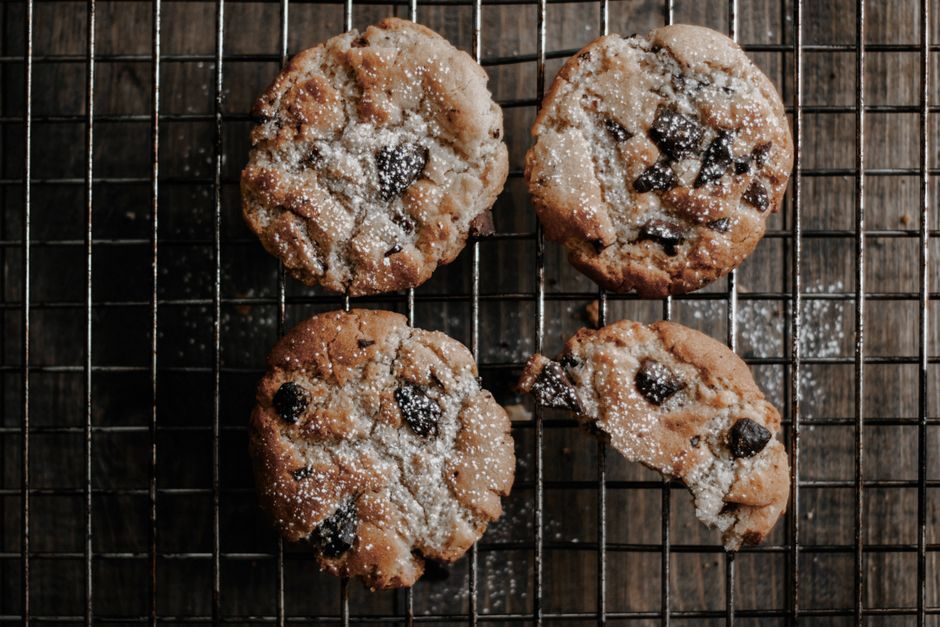
To bake chocolate chip cookies well, cream the butter and sugars, add the egg and vanilla, mix in the dry ingredients until just combined, chill the dough, then bake on the middle rack. Each step affects the final texture, so follow the order and avoid overmixing once the flour goes in. The steps below work for most classic recipes.
- Cream softened butter with brown and white sugar for two to three minutes until light and fluffy.
- Beat in the egg and vanilla until smooth.
- Whisk the flour, baking soda and salt together, then stir them into the wet ingredients just until no dry streaks remain.
- Fold in chocolate chips or chunks.
- Chill the dough for at least 30 minutes, or up to 72 hours for deeper flavor.
- Scoop dough into rounded balls about 2 tablespoons each, spaced at least 2 inches apart.
- Bake at 350°F to 375°F until the edges are golden and the centers look slightly underdone, usually 9 to 12 minutes.
- Cool on the pan for five minutes, then move to a wire rack.
Which Oven Rack Should You Use?
Bake cookies on the middle rack so heat reaches the dough evenly from top and bottom. A lower rack can scorch the bottoms, while a higher rack can brown the tops before the centers set. For more detail on placement, see our guide on what rack to bake cookies on.
What Are the Most Common Chocolate Chip Cookie Mistakes?
The most common mistakes are overmixing the flour, using dough that is too warm, and pulling cookies out too late. Each problem has a simple fix that you can apply to your next batch. If your results are inconsistent, change only one variable at a time so you can identify the cause.
| Problem | Likely Cause | Fix |
|---|---|---|
| Flat, greasy cookies | Butter too warm or dough not chilled | Chill the dough and cool your butter to room temperature |
| Dry, cakey cookies | Too much flour or overbaking | Measure flour by weight and pull cookies earlier |
| Tough cookies | Overmixing after adding flour | Stir only until no dry streaks remain |
| Pale, underbaked centers | Oven not hot enough | Check oven temperature with a thermometer |
For a fuller list of troubleshooting tips, read our article on common chocolate chip cookie mistakes and how to avoid them. If you want a tested recipe to compare against your own, the Binging with Babish chocolate chip cookies recipe and variations is a good benchmark.
How Should You Store Chocolate Chip Cookies?
Store cooled cookies in an airtight container at room temperature for up to three days to keep them soft. Add a slice of bread to the container to help maintain moisture. For longer storage, freeze baked cookies or dough for up to three months, and label each container with the date.
Frequently Asked Questions
Do I have to chill chocolate chip cookie dough?
Chilling is not mandatory, but it improves most cookies. Cold dough spreads less, so the cookies hold their shape and develop deeper, more caramel-like flavor. If you are short on time, chill the scooped dough for at least 30 minutes.
Can I leave out baking soda?
You can reduce or omit baking soda, but the cookies will spread less, brown less and rise less. Baking powder is not a direct substitute in every recipe, so adjust carefully. For guidance on alternatives, see our article on how to make cookies without baking soda.
How do I know when chocolate chip cookies are done?
Cookies are done when the edges are set and golden, and the centers look slightly soft and puffy. They will firm up as they cool on the pan. Overbaking by even a minute or two can make them dry and crumbly.
Is it safe to eat cookie dough if I use store-bought dough?
Commercially produced cookie dough is generally made with pasteurized eggs and treated flour, which is why store-bought cookie dough ice cream is considered safe to eat. Homemade dough made with raw flour or raw eggs is not recommended, according to the FDA. Check the label for the ingredients you use if you plan to eat any dough raw.
Is brown sugar better than white sugar for cookies?
Brown sugar is better if you want a chewier, moister cookie with deeper flavor. White sugar is better for crisp, thin cookies that spread. Many bakers use a mix of both to balance chewiness and crunch.
Does browning the cookies affect their nutrition?
Browning is part of good flavor, but excessive browning reduces the bioavailability of essential amino acids, particularly lysine, according to a review in PubMed Central. Aim for golden edges rather than dark brown bottoms. Moderate browning gives the best balance of taste and nutritional quality.
Conclusion
This ultimate guide to chocolate chip cookies shows that consistent results come from understanding a few variables: sugar ratios, dough temperature, mixing, oven heat and bake time. Use the troubleshooting tables and step list as your reference, change one thing at a time, and keep notes on what you bake. With a few practice batches, you will know exactly how to make the chocolate chip cookie you love.