
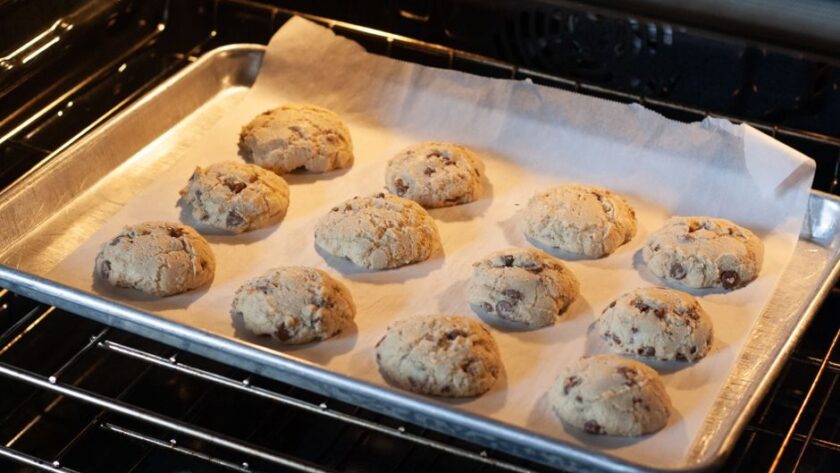
Wondering why cookies spread too much? The short answer is that the fat in the dough melts faster than the structure can set, so the dough flows outward instead of holding its shape. Most of the time the culprit is butter that is too warm, dough that was not chilled, or leavening that has lost its strength. You can fix all three with a few simple changes to your routine.
Key Takeaways
- Butter that melts before the dough sets is what starts cookies spreading, according to a Northern Illinois University STEAM article on holiday cookies.
- A measured experiment reported by Science News Explores found that cookies made with melted butter spread more than cookies made with cold butter.
- Chilled dough keeps its butter solid longer in the oven, which slows spreading, according to King Arthur Baking Company.
- Out-of-date baking powder or baking soda can cause excessive spread, so test your leavening before blaming the recipe.
Why Do Cookies Spread Too Much in the Oven?
Cookies spread when the fat in the dough melts faster than the flour and egg proteins can set. Once the butter turns liquid, the dough has nothing holding it in place, so oven heat pushes it outward across the pan. Understanding this sequence makes it easier to pinpoint the cause in your own batch.
Heat moves into cookie dough from the outside edge inward, so the butter along the edges melts first. A Northern Illinois University STEAM article on holiday cookies explains that this edge butter liquefies before the dough sets, which is what starts the spreading.
Is Melted Butter the Main Problem?
Melted or overly soft butter is one of the most frequent causes of spreading. Butter that is greasy when you mix it has already begun to liquefy, so the dough starts the bake with less structure. If your cookies look glossy and flat, start by checking the butter.
If your batch already has too much butter in the ratio, you may also want to read this guide to fixing cookies that came out with too much butter, which covers adjustments to the dough itself.
Does Your Dough Temperature Matter?
Yes. Dough that goes straight from the mixer into the oven gives its butter no time to firm up, while chilled dough holds its shape longer. A December 2023 King Arthur Baking Company article on cookie spreading notes that chilled dough keeps its butter solid longer in the oven, which slows spreading.
Can Old Baking Soda or Baking Powder Cause Spreading?
Yes. Leavening that has lost potency can change how the dough rises and sets, and King Arthur Baking Company lists out-of-date baking powder or baking soda among the causes of excessive spread. Leavening is the ingredient that makes baked goods rise, and it works differently from fat.
To test baking powder, stir 1/2 teaspoon into 1/3 cup of hot water. It should fizz vigorously right away. To test baking soda, stir 1/4 teaspoon into 1 tablespoon of lemon juice or vinegar and look for a strong reaction. Replace any leavening that fails the test. If you are short on baking soda, you can learn to bake cookies without baking soda using a different leavening approach.
How Does Butter Temperature Change Cookie Spread?
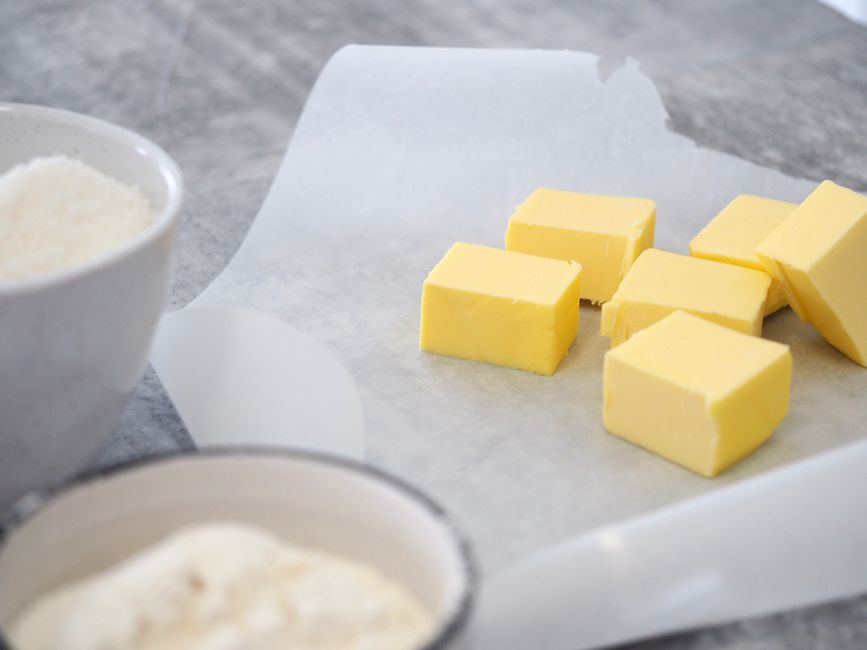
Cold, firm butter melts slowly, which gives the dough time to set before it spreads. Melted or very soft butter melts quickly, which usually leads to wide, thin cookies. The state of your butter at the mixing stage is one of the biggest controls you have.
A measured experiment described by Science News Explores in its cookie science article about butter compared batches made with melted and cold butter. The melted-butter cookies spread more, with spread calculated as baked diameter minus raw dough diameter. Use the table below to see how butter state affects your results.
| Butter state when mixed | What happens in the oven | Typical result |
|---|---|---|
| Melted or greasy | Fat liquefies before the dough sets | Thin, wide, flat cookies |
| Softened but cool and not shiny | Fat melts gradually as structure forms | Moderate spread with a softer center |
| Cold and firm | Fat stays solid longer in the oven | Thicker cookies with more control over spread |
How to Stop Cookies From Spreading
To stop cookies from spreading, keep your butter cool, chill the dough, check your leavening, and bake on a cool pan. Making one or two of these changes often makes a visible difference in the next batch. Work through the steps below in order.
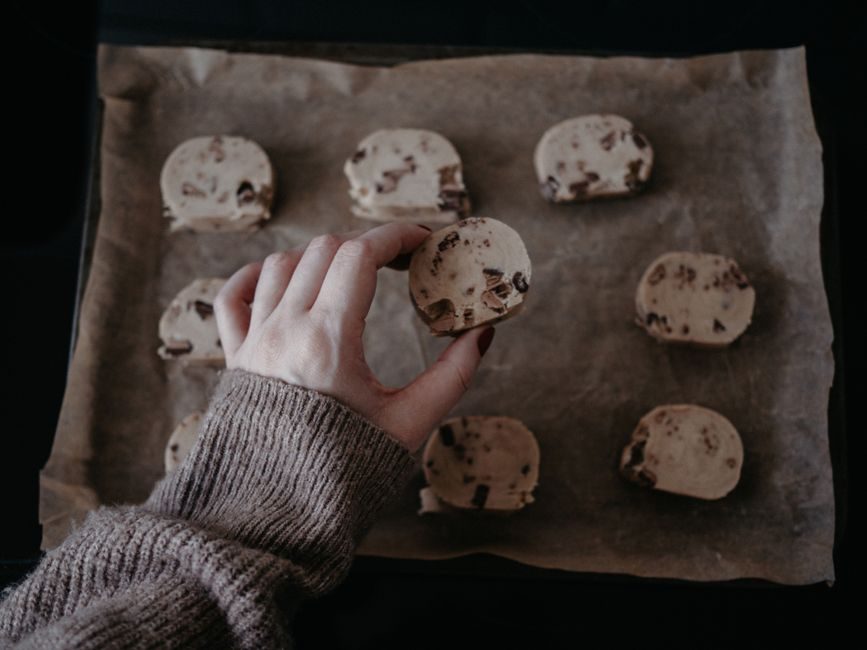
- Start with butter that is cool and firm, not melted or shiny. If you need to soften it, press a finger into the stick and aim for a slight give without any greasiness.
- Chill the dough for at least 30 minutes, or up to overnight, before scooping. Chilled dough is the most reliable fix for spreading in most home kitchens.
- Measure flour by spooning it into the cup and leveling it off. Packing flour into the cup adds extra flour, which can change the dough's texture.
- Test your baking soda and baking powder before each big batch, and replace any that fail.
- Scoop dough onto a cool baking sheet. Reuse a room-temperature pan or run cold water over the back of a used pan before the next tray.
- Verify your oven temperature with an oven thermometer. A too-cool oven can let the butter melt before the structure sets.
If you want an extra safety margin, you can partially replace butter with a firmer fat. A peer-reviewed study published in Foods (MDPI) found that replacing up to half the butter in whole wheat cookie dough with an oleogel did not significantly compromise dough or cookie physical properties. The authors also noted that shortening's high melting point helps it hold its shape at heat.
Quick Diagnosis Checklist
Use this checklist to find the most likely cause of spreading in your last batch. Check the items in order, starting with the butter, because it is the most common culprit. Fix one thing at a time so you can tell which change helped.
- Was the butter melted, greasy, or shiny when you mixed the dough?
- Did you skip chilling or chill the dough for less than 30 minutes?
- Are your baking soda and baking powder more than a few months old or failing the fizz test?
- Did you measure flour loosely or scoop it straight from the bag?
- Did you place dough on a hot or greasy pan?
- Is your oven running at the temperature the recipe specifies?
Other Reasons Cookies Spread Too Much
Beyond butter, temperature, and leavening, dough that is too soft or has an unbalanced ratio of ingredients can also spread. These causes are less common but worth checking if the basics look fine. Adjust one variable at a time when you troubleshoot.
Why Do My Cookies Go Flat Instead of Thick?
Flat cookies usually come from the same causes as spreading cookies, so the fixes overlap. Dough that feels loose or sticky before baking is a warning sign, and chilling it is often enough to help. If your results keep falling flat, review these common mistakes that make chocolate chip cookies go flat to see whether a step in your method is contributing.
Does Dough Consistency Affect Spread?
Yes. Dough that is wetter or softer has less structure to resist spreading, so small changes in measuring or mixing can have a noticeable effect. Stiffer dough generally holds its shape better in the oven. Pay attention to how the dough feels before you scoop it.
Frequently Asked Questions
Can I Fix Cookie Dough That Is Already Too Soft?
Yes, in most cases. Chill the dough for at least 30 minutes, or until it firms up enough to scoop cleanly. If it stays loose after chilling, mix in a small amount of flour, a tablespoon at a time, and recheck the texture.
Does Melted Butter Always Make Cookies Spread?
Melted butter makes spreading much more likely, but it does not guarantee it. A measured experiment reported by Science News Explores found that melted-butter cookies spread more than cold-butter cookies. Your results can still vary with the rest of the recipe, so control temperature first.
Should I Use Shortening Instead of Butter?
You can use a partial swap to reduce spreading, but a full swap changes flavor and texture. Shortening has a higher melting point than butter, which helps cookies hold their shape. Many bakers replace only part of the butter to keep the flavor while gaining some structure.
Will Chilling Cookie Dough Make Cookies Too Thick?
Chilled dough usually bakes into thicker, chewier cookies, which is the result most bakers want. Because cold dough starts the oven firmer, you may need an extra minute or two in the oven for full color. Check the edges and watch the centers rather than relying only on the timer.
Conclusion
Cookies spread too much mainly because melted fat loses its structure before the dough sets. Keep your butter cool, chill your dough, check your leavening, and bake on a cool pan to stop the spread. When you understand why cookies spread too much, you can fix the cause instead of guessing at the recipe.