

Last updated: · By Claire Dawson
Easy cookie recipes are the fastest way to bake something from scratch, and most of them need only one bowl, a baking sheet, and a handful of pantry staples. For beginners, start with a drop cookie such as classic chocolate chip, oatmeal raisin, or peanut butter, because the mixing steps are simple and the dough is forgiving. This guide covers six beginner-friendly recipes, the habits that make results consistent, and the food safety rule every home baker should know.
Key Takeaways
- Most beginner cookies are drop cookies, which means you mix the dough, scoop it onto a sheet, and bake, with no rolling or cutting required.
- Preheat your oven to 350°F (175°C) and confirm the temperature with an oven thermometer, because home ovens can run hot or cold.
- Chilling cookie dough for about 30 minutes before baking helps reduce spreading in many drop cookie recipes.
- The FDA states that milling grain into flour does not eliminate harmful bacteria, so baking is the only reliable way to make flour-based foods safe to eat.
- A May 2023 CDC notice linked a Salmonella outbreak to raw cookie dough, which is why you should skip raw dough made with raw flour or unpasteurized eggs.
What Makes a Cookie Recipe Easy?
An easy cookie recipe uses a short ingredient list, one mixing method, and a bake time of roughly 8 to 12 minutes. Most beginner recipes are drop cookies, which need no rolling, cutting, or hours of chilling. Recipes that call for a stand mixer, a candy thermometer, or several chilling stages are better saved for later attempts.
Look for these traits when you choose a recipe:
- Fewer than 10 ingredients, none of them specialty items
- One bowl for the dough, with butter softened and mixed by hand or with a hand mixer
- No shaping beyond rolling dough into balls
- Clear visual cues for doneness, such as golden edges
Easy Cookie Recipes to Start With
The six recipes below share a simple mixing method and need only a bowl, a spoon or hand mixer, and a baking sheet. Use the table to pick one based on time and difficulty, then follow the steps in its section.
| Recipe | Key Ingredients | Approximate Bake Time | Difficulty |
|---|---|---|---|
| Classic chocolate chip | Butter, brown and white sugar, egg, flour, chocolate chips | 9 to 11 minutes | Easy |
| Oatmeal raisin | Butter, sugars, egg, rolled oats, raisins | 10 to 12 minutes | Easy |
| Peanut butter | Peanut butter, butter, sugar, egg, flour | 10 to 12 minutes | Easiest |
| Snickerdoodle | Butter, sugar, egg, flour, cinnamon-sugar coating | 9 to 11 minutes | Easy |
| No-bake chocolate oat | Sugar, milk, butter, cocoa powder, oats, peanut butter | No baking; sets in about 30 minutes | Easiest |
| Shortbread | Butter, powdered sugar, flour, vanilla | About 18 to 22 minutes at 325°F (163°C) | Easy |
How Do You Make Classic Chocolate Chip Cookies?
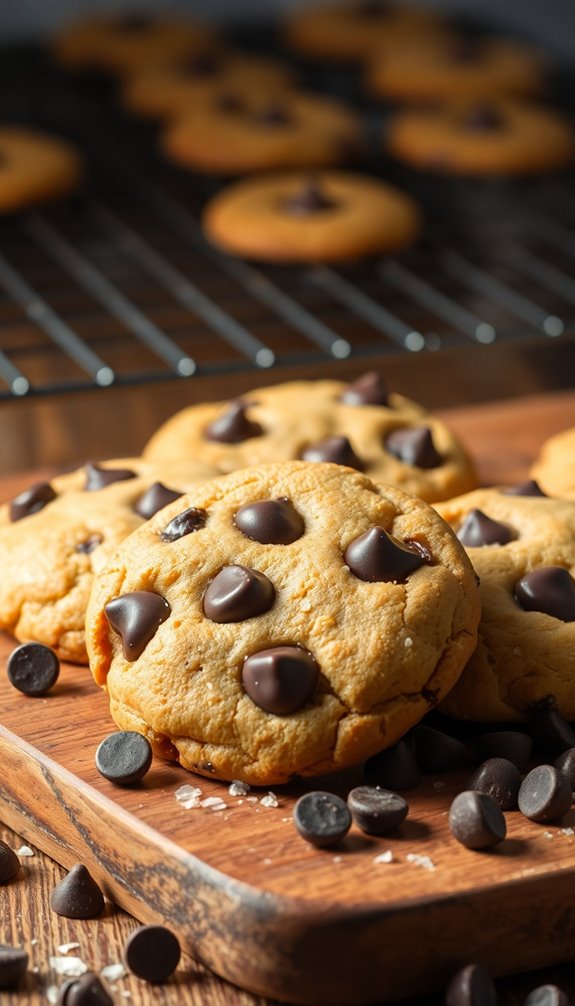
Classic chocolate chip cookies are the most common starting point for home bakers, and their method works as a template for many other drop cookies. Cream softened butter with sugars, beat in an egg and vanilla, then mix in flour, baking soda, and salt until just combined. If your cookies tend to flatten, read this guide to a chocolate chip cookie recipe designed to stay thick instead of going flat.
- Preheat the oven to 350°F (175°C) and line a baking sheet with parchment paper.
- Beat softened butter with brown and white sugar until light and fluffy, about two minutes.
- Add one egg and a teaspoon of vanilla, then mix until smooth.
- Stir in flour, baking soda, and salt until no dry streaks remain.
- Fold in chocolate chips, chill the dough for 30 minutes, then scoop tablespoon-sized balls about two inches apart.
- Bake 9 to 11 minutes, until the edges are golden and the centers look slightly soft.
How Do You Make Chewy Oatmeal Raisin Cookies?
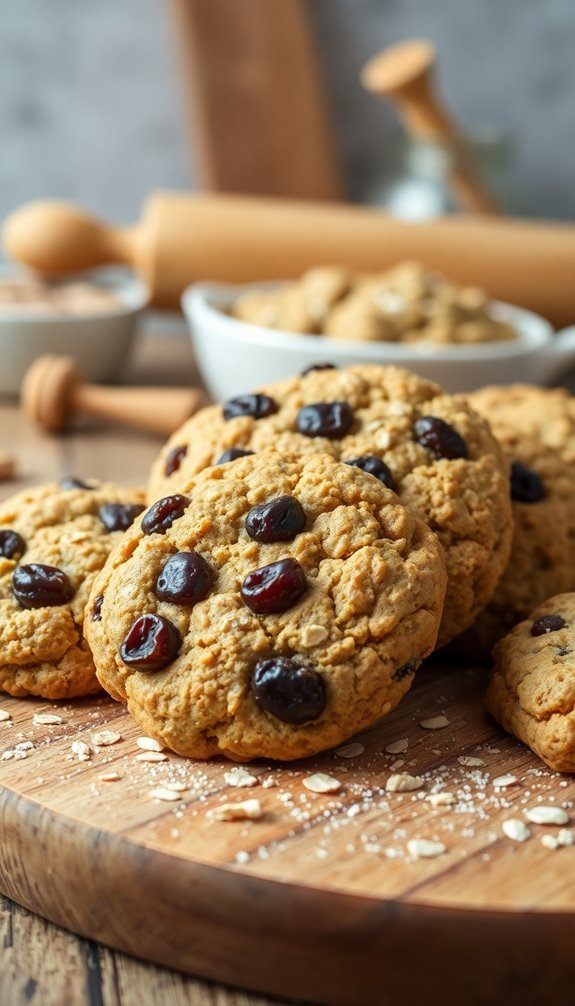
Chewy oatmeal raisin cookies follow the same method as chocolate chip, with rolled oats taking the place of chips. Old-fashioned rolled oats give a chewier texture than quick oats, so use them when you can. Soak raisins in warm water for about 10 minutes and pat them dry so they stay plump, then add cinnamon for warmth and chopped walnuts or pecans for crunch if you like.
How Do You Make Peanut Butter Cookies?
Peanut butter cookies are one of the easiest recipes because they use few ingredients and do not require chilling in most versions. Mix similar amounts of peanut butter, butter, and sugar, add an egg, then stir in flour and baking soda. Press a crisscross pattern into each dough ball with a fork, and bake at 350°F (175°C) for 10 to 12 minutes. Almond butter works as a swap, but expect a softer, slightly different texture.
How Do You Make Snickerdoodles?
Snickerdoodles are soft cookies rolled in cinnamon sugar before baking. Cream butter and sugar, beat in an egg, then add flour, cream of tartar, baking soda, and salt. Roll the dough balls in cinnamon sugar, space them two inches apart, and bake for 9 to 11 minutes. Cream of tartar gives snickerdoodles their classic tang, so keep it in the recipe if you can.
How Do You Make No-Bake Chocolate Oat Cookies?
No-bake chocolate oat cookies need no oven, and they firm up in about 30 minutes once dropped. Combine sugar, milk, butter, and cocoa powder in a saucepan, bring the mixture to a full boil, and cook for one minute. Remove it from the heat, stir in peanut butter and vanilla, then fold in quick oats. Drop spoonfuls onto parchment and let them cool until firm.
How Do You Make Simple Shortbread Cookies?
Simple shortbread uses butter, powdered sugar, flour, and vanilla, with no eggs. Beat the butter and sugar, mix in the flour gradually, then shape the dough into a log or disc and chill until firm. Slice or cut the dough and bake at 325°F (163°C) until the edges are pale golden, usually 18 to 22 minutes. Shortbread also takes flavor well, so try lemon zest or a pinch of flaky sea salt on top.
Is It Safe to Eat Raw Cookie Dough?
No, raw cookie dough is not safe to eat when it contains raw flour or unpasteurized eggs. The U.S. Food and Drug Administration (FDA) explains that milling grain into flour does not eliminate harmful bacteria, so baking is the only reliable way to make flour-based foods safe. You can read the agency’s guidance in its advice on handling flour safely.
The U.S. Centers for Disease Control and Prevention (CDC) has investigated outbreaks tied to raw dough. In a May 2023 notice, the CDC reported that most raw cookie dough is made with unpasteurized eggs or raw flour, which can carry Salmonella and E. coli. Edible doughs use heat-treated flour and either pasteurized eggs or no eggs. The CDC’s full Salmonella outbreak report linked to raw cookie dough covers the details.
Many people do not realize the risk. An FDA survey from 2019 found that many consumers did not consider raw flour risky to eat, even though the agency and the CDC have investigated multiple outbreaks tied to raw flour and cookie dough, as covered in this FDA consumer update on raw flour. If you want to taste dough, look for recipes labeled edible, or bake a single test cookie instead.
How Can You Get Consistent Cookies Every Time?
Consistent cookies depend on three things: accurate measurements, a properly heated oven, and dough at the right temperature. Most disappointing batches trace back to one of these rather than to the recipe itself. Work through the checklist below before each bake.
- Measure flour correctly. Spoon flour into the measuring cup and level it off, because scooping straight from the bag packs in extra flour and can make cookies dry and dense.
- Check your oven. Preheat for at least 15 minutes and use an oven thermometer, since many home ovens do not match their set temperature.
- Soften butter without melting it. Softened butter should give slightly when pressed, which lets it cream properly with sugar.
- Chill the dough when the recipe calls for it. Thirty minutes in the refrigerator slows spreading in most drop cookies.
- Space and size evenly. Leave about two inches between dough balls and use a tablespoon or cookie scoop so every cookie bakes at the same rate.
- Pull them early. Remove cookies when the edges are golden and the centers look slightly underdone, since they firm up as they cool.
Can You Swap Ingredients in Easy Cookie Recipes?
Yes, many easy cookie recipes tolerate simple swaps, but changing fat, sugar, or eggs alters texture and spread. Change one ingredient at a time so you can see what it does. For more on replacing one ingredient, read this guide to cookie recipes that work without brown sugar.
- Peanut butter to almond butter: This works in most peanut butter cookies, though the texture is softer and less crumbly.
- Brown sugar to white sugar: Cookies made with white sugar tend to be crisper and less chewy, because brown sugar adds moisture and molasses flavor.
- One egg to a flax egg: Mix one tablespoon of ground flaxseed with 2.5 tablespoons of water and let it rest for 5 minutes to replace one egg in vegan recipes.
If you bake for a household that avoids animal products, simple vegan cookies can be just as easy. This guide to simple vegan cookie recipes kids can help make covers dairy-free and egg-free options. To check the nutrition of swapped ingredients, the USDA’s FoodData Central database is designed to give reliable, transparent nutrient information for foods, as described in a review in the American Journal of Clinical Nutrition.
How Should You Store Cookies and Dough?
Store cooled cookies in an airtight container at room temperature to keep them from drying out. Layer them with parchment to prevent sticking, and keep soft cookies separate from crisp ones so the crisp ones do not soften. To freeze dough, scoop balls onto a sheet, freeze until firm, then move them to a freezer bag. Bake frozen dough straight from the freezer and add a minute or two to the bake time.
Frequently Asked Questions
What Is the Easiest Cookie Recipe for Beginners?
Peanut butter cookies and no-bake chocolate oat cookies are generally the easiest, because they use few ingredients and very little technique. Peanut butter cookies need only a fork for the crisscross pattern, while no-bake cookies skip the oven entirely. Classic chocolate chip is a close third and teaches the creaming method used in many other recipes.
Why Do My Cookies Spread Too Much?
Cookies usually spread too much when the butter is too warm, the dough was not chilled, or the oven runs too cool. Too much sugar or too little flour can also cause spreading. Check your butter temperature, chill the dough for 30 minutes, and confirm the oven with a thermometer before changing the recipe.
Is Eggless Cookie Dough Safe to Eat?
Not necessarily. Leaving out eggs does not make dough safe if it contains raw flour, because flour itself can carry harmful bacteria. Dough labeled as edible uses heat-treated flour and either pasteurized eggs or no eggs. If you are unsure, bake the dough before eating it.
Do Cookies Need to Be Chilled Before Baking?
Not every cookie needs chilling, but many drop cookies benefit from about 30 minutes in the refrigerator. Chilled dough holds its shape better and spreads less in the oven. Cut-out sugar cookies and shortbread almost always need chilling so they keep crisp edges.
How Do I Know When Cookies Are Done?
Cookies are done when the edges are golden and the centers look set but still slightly soft. Keep in mind that cookies continue to firm up as they cool on the sheet. Overbaked cookies turn dry and hard, so pull them a minute early if you prefer a chewy texture.
Conclusion
Easy cookie recipes work best when you start with a simple drop cookie, measure carefully, and respect the basics of oven temperature and chilling. Begin with classic chocolate chip or peanut butter, then branch into oatmeal, snickerdoodles, or no-bake options as your confidence grows. Skip raw dough unless it is labeled edible, since baking is the only reliable way to make flour-based dough safe. For more quick sweets after your cookie batch, see these easy dessert recipes you can make in under 30 minutes.
More on Easy Cookie Recipes
- 10 Best High-Protein Vegan Cookie Recipes for Athletes
- Brown Bag Cookie Art: How to Create Beautiful Edible Designs
- Cacao Cookies: Pure Chocolate Flavor the Healthy Way
- Cake Mix Oatmeal Cookies: Quick and Delicious Recipe
- Can You Make Cookies on the Stove a Beginner’S Guide to Skillet Baking
- Cookie Cookbook Essentials: Must-Read Baking Bibles
- Cookie Recipes Without Brown Sugar Ten Delicious Alternatives
- Cool & Creamy: the Best Cookies to Pair With Ice Cream
- Crisco Peanut Butter Cookies the Secret to Chewy Perfection
- Fun and Easy Garbage Cookies Recipe
- Ginger All the Way: Chewy Cookies With Candied Ginger
- How to Make Cookies Without Baking Soda (And Still Get a Perfect Bake)
- Italian Cookie Names & Pictures: A Guide to Classic Biscotti & More
- Peanut Butter Perfection: Jessie Sheehan’s Must-Try Cookie Recipe
- Simple Vegan Cookie Recipes Kids Will Love
- Stove-Top Cookies: Quick & Easy Treats Without Turning on the Oven
- Sweet & Simple: Easy Cookies You Can Make Without Brown Sugar
- The Best Macadamia Nut Cookies You’ll Ever Make
- What Are the Best Sugar-Free Vegan Cookie Recipes for Diabetics?
Related guides: Cookies That Don’t Go Flat! Your New Favorite Chocolate Chip Cookie · Wilton Sugar Cookie Recipe: The Secret to Perfect Cut-Out Cookies · Best Shortbread Cookies to Buy and DIY Options to Try
Free tools: Baking Cups to Grams Converter (Free)