
Last updated: · By Claire Dawson
Circle bread is a round, yeast-leavened loaf that you can make with four basic ingredients: bread flour, instant yeast, salt, and water. It is one of the most approachable bread projects for beginners because the dough is forgiving and the shaping is simple. This guide gives you exact measurements, step-by-step instructions, the reasons behind each step, and fixes for common problems.
Key Takeaways
- A basic circle bread uses 390 grams of bread flour, 8 grams of instant yeast, 10 grams of salt, and 250 grams of water.
- The dough rests for 15 minutes, is kneaded for about 8 minutes, rises for about 1 hour, is shaped, and then rises again for 45 to 60 minutes before baking.
- Bake the loaf at 450°F for 30 to 35 minutes in a preheated heavy pan or Dutch oven to get a crisp, golden crust.
- Store the cooled loaf in an airtight container at room temperature, and slice and freeze any portion you will not eat within a few days.
- Yeast fermentation produces carbon dioxide and other compounds that shape the loaf’s volume, texture, and flavor.
What Is Circle Bread?
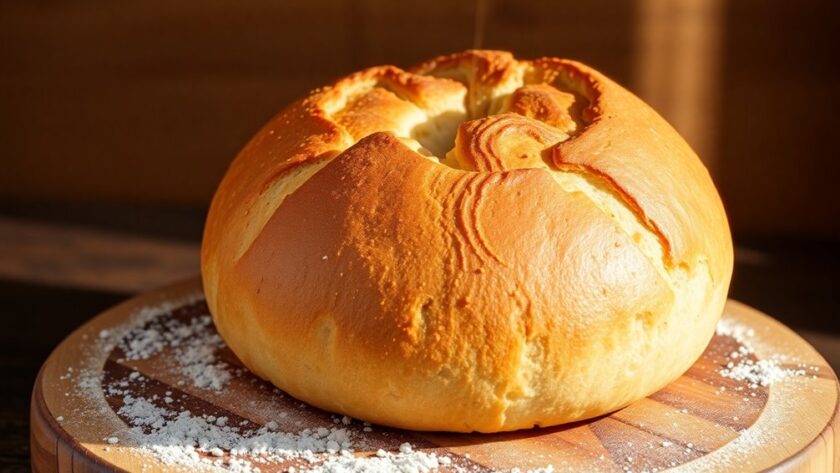
Circle bread is a free-form, round loaf shaped by hand and baked until the outside is golden and the inside is soft. In French bakeries, the same shape is called a boule. It is a lean dough, which means it contains little or no fat, sugar, or eggs.
This recipe uses commercial instant yeast rather than a sourdough starter, so it is not a sourdough bread, even though the round shape looks similar. If you want a sweeter, richer dough made with milk, butter, and sugar, try our soft and sweet vanilla bread recipe once you are comfortable with the basics.
What Ingredients Do You Need for Circle Bread?
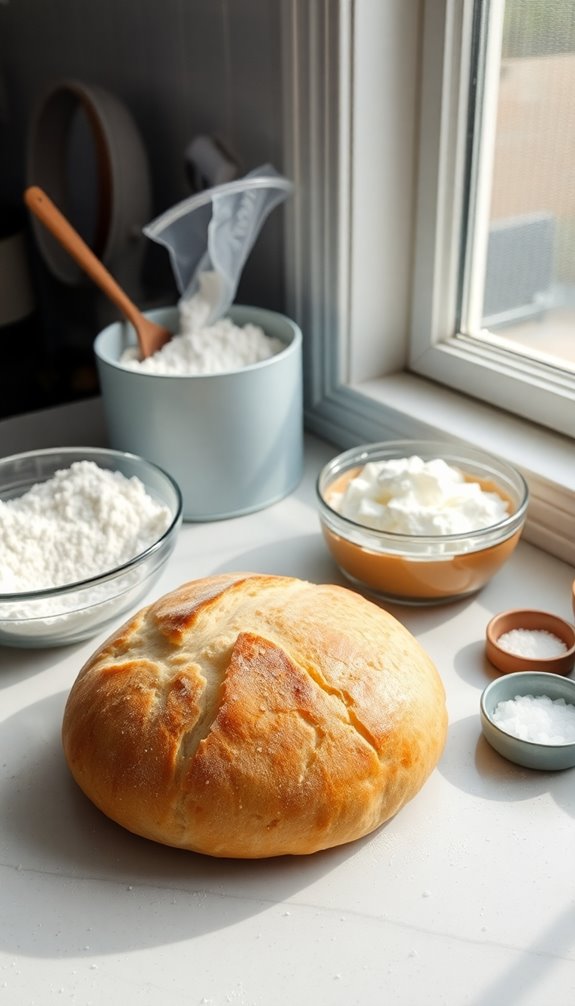
You need four ingredients: bread flour, instant yeast, salt, and water. Weighing them in grams gives the most consistent results, but the cup and spoon measures are included below for convenience.
| Ingredient | Amount | Weight | Role in the Loaf |
|---|---|---|---|
| Bread flour | 2.5 cups | 390 g | Provides protein that forms the gluten network |
| Instant yeast | 2 teaspoons | 8 g | Ferments the dough and produces gas for rise |
| Salt | 1.5 teaspoons | 10 g | Adds flavor and controls how fast the yeast works |
| Water | 1 cup plus 1 tablespoon | 250 g | Hydrates the flour and activates the yeast |
Water temperature and room temperature both affect how fast the dough rises. If your kitchen is cold, the rise times in this guide may run longer, so judge by the dough’s size rather than the clock.
Which Flour Is Best for Circle Bread?
Bread flour is the best choice for this recipe because its higher protein content forms a stronger gluten network, which holds the round shape and gives a chewy crumb. All-purpose flour also works, but it usually produces a softer loaf that spreads more during baking.
- Bread flour: The recommended choice. It gives the most structure and rise.
- All-purpose flour: A reasonable substitute. Expect a softer, less sturdy loaf.
- Whole wheat flour: Adds fiber and flavor but makes the dough denser. Blending it with bread flour, rather than using it alone, is a practical starting point.
- Spelt or rye: These add distinct flavors, but they absorb water differently and have weaker gluten, so you may need to adjust the hydration and kneading time.
- Gluten-free flour: This recipe depends on gluten for structure, so it is not a direct swap. Gluten-free bread needs a formula designed for those flours.
How Do You Make Circle Bread Step by Step?
To make circle bread, mix the dry ingredients, add the water, rest the dough, knead it, rise it, shape it, rise it again, and bake it. The whole process takes about 3 to 4 hours, most of which is unattended rising time.
- In a large bowl, whisk together 390 grams of bread flour, 8 grams of instant yeast, and 10 grams of salt.
- Add 250 grams of water and stir until no dry flour remains. Cover the bowl with plastic wrap and let the dough rest for 15 minutes so the flour can fully hydrate.
- Knead the dough for about 8 minutes by hand or with a stand mixer until it is smooth and elastic. Add flour only sparingly, because extra flour makes the loaf dry and dense.
- Place the dough in a lightly oiled bowl, cover it, and let it rise for about 1 hour, or until it doubles in size.
- Turn the dough onto a lightly floured surface. Gently pull the edges into the center to form a tight ball, and turn it seam-side down so the top surface tightens.
- Place the ball seam-side down on parchment paper, cover it with a towel or plastic wrap, and let it rise for 45 to 60 minutes.
- About 30 minutes before baking, preheat the oven to 450°F with a heavy pan or Dutch oven inside.
- Cut a shallow slash across the top of the dough, about half an inch deep, to let steam escape. Transfer the dough to the hot pan.
- Bake for 30 to 35 minutes, until the crust is deep golden brown and the loaf sounds hollow when tapped on the bottom.
- Cool the loaf on a wire rack for at least 1 hour before slicing, so the crumb can set.
Why Does Fermentation Matter in Circle Bread?
Fermentation is the stage where yeast consumes sugars in the flour and releases carbon dioxide and other compounds. A 2023 review of yeast fermentation in bread is not provided with a date in our sources, so the general finding is this: the gas creates the loaf’s volume, and the metabolites shape its texture and flavor. The review on the role of yeasts in fermentation notes that the yeast strain and dough conditions are critical to quality.
Fermentation can also affect digestibility. A recent review on fermentation in breadmaking reports that yeasts and lactic acid bacteria can lower triggering components such as gluten and FODMAPs and can improve mineral bioaccessibility, meaning the body can absorb more of the minerals in the bread.
Most of the strongest evidence comes from sourdough. In a double-blind clinical trial of 26 people with IBS, eating six slices a day of bread fermented for more than 12 hours for 7 days lowered FODMAP levels compared with yeast-fermented bread, according to a review of lactic acid bacteria and yeasts in sourdough fermentation. That study does not test a short yeasted loaf like circle bread, so do not assume the same effect for this recipe. Sourdough differs mainly in its leavening agent and longer fermentation, which leads to more gluten degradation, as described in a PubMed Central review of sourdough bread quality.
How Do You Knead and Shape Circle Bread?
Kneading develops gluten, which gives the dough the elasticity to hold a round shape and trap gas. Knead for about 8 minutes, until the dough is smooth and springs back when poked. Shaping then creates surface tension, which helps the loaf hold its round form in the oven.
How Do You Know When the Dough Is Kneaded?
The dough is ready when it feels smooth and no longer tears easily when stretched. To check, pinch off a small piece and stretch it thin; if it becomes slightly translucent without tearing, the gluten is well developed. If the dough is still sticky, keep kneading for another minute rather than adding a lot of flour.
What Should You Do If the Dough Is Too Sticky?
Wet your hands with a little water or olive oil instead of dusting the dough with flour. This keeps the hydration intact while you work the dough. If the dough is still unmanageable after several minutes, weigh your flour next time, because a cup measured by scooping can contain far more flour than 390 grams.
How Do You Bake Circle Bread at Home?
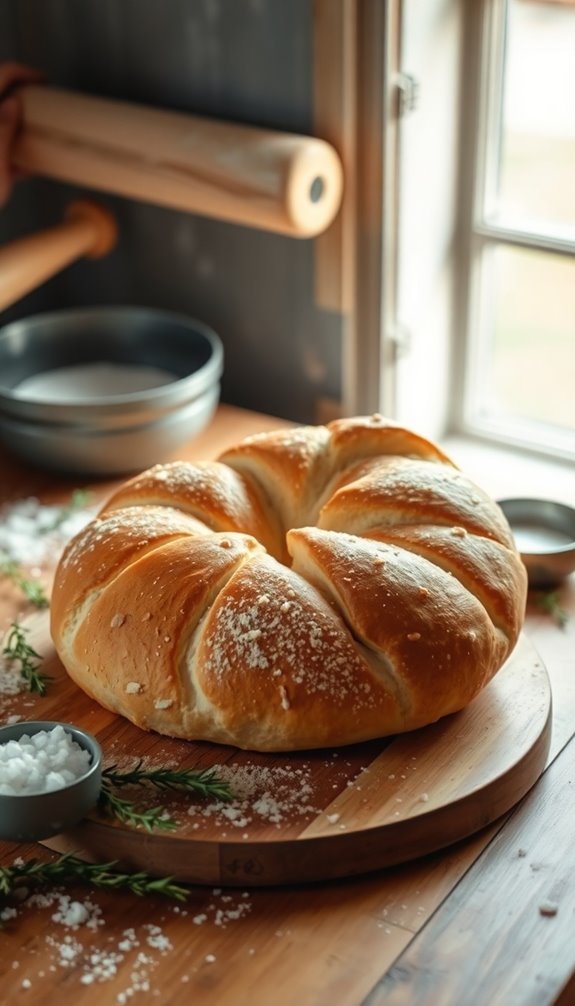
Bake circle bread at 450°F in a preheated heavy pan or Dutch oven for 30 to 35 minutes, until the crust is deep golden brown. The hot, enclosed surface traps steam early in the bake, which helps the loaf expand and develop a crisp crust.
Do You Need a Dutch Oven to Bake Circle Bread?
No. A heavy baking sheet or cast-iron skillet preheated in the oven works well. Place a shallow pan of hot water on the lower rack to add steam, which improves the crust.
How Do You Tell When Circle Bread Is Done?
The loaf is done when the crust is deep golden brown and the bottom sounds hollow when tapped. If the top looks done but the bottom is pale, give the loaf a few extra minutes. Cool the bread on a rack, because trapped steam can make the crumb gummy if you slice it too early.
What Goes Wrong With Circle Bread, and How Do You Fix It?
Most problems with circle bread come from measuring, timing, or oven heat. Use this checklist to diagnose the issue quickly.
- Dough is too wet or sticky: Weigh your flour and water, then add flour only a tablespoon at a time if needed.
- Loaf is dense: Check that your yeast is not expired and that the dough was kneaded long enough to develop gluten.
- Dough does not rise: Move it to a warmer spot. Cold kitchens slow fermentation considerably.
- Gummy crumb: The dough may have over-risen and collapsed, or the loaf was underbaked or sliced while hot.
- Pale crust: Make sure the oven is fully preheated and the pan is hot before the dough goes in.
- Loaf spreads flat: Increase the surface tension during shaping by pulling the edges firmly under the dough.
How Should You Store Circle Bread?
Store circle bread at room temperature in an airtight container or bread bag. Keep it away from heat and sunlight, and do not refrigerate it, because cold air dries out bread faster than room temperature does.
Can You Freeze Circle Bread?
Yes. Slice the cooled loaf before freezing so you can thaw only what you need. Place the slices in a sealed freezer bag, press out the air, and freeze. Toast slices directly from the freezer or thaw them at room temperature.
How Do You Revive Stale Circle Bread?
Lightly mist the slices or the loaf with water, then warm them briefly in a 350°F oven or toast them. The moisture helps soften the crumb while the heat recrisps the crust. Bread that is past this point can still be used for croutons or breadcrumbs.
Frequently Asked Questions
Is Circle Bread the Same as Sourdough?
No. This recipe uses commercial instant yeast, not a sourdough starter, so it has a shorter fermentation and a milder flavor. Sourdough is a separate process that uses wild yeasts and lactic acid bacteria. The shape can be identical, but the method and flavor differ.
Can I Use All-Purpose Flour for Circle Bread?
Yes. All-purpose flour produces a softer, less structured loaf than bread flour. Use the same weight, 390 grams, and expect the loaf to spread a little more during baking.
How Long Does Circle Bread Last?
Circle bread stays fresh for about three days at room temperature in an airtight container. For longer storage, slice and freeze it. Freezing preserves the texture better than leaving the loaf out for extended periods.
Is Circle Bread Healthy?
This loaf is made from refined bread flour, so its nutritional value is similar to other white bread. Research on fermentation, including the sourdough IBS trial cited above, is promising, but it does not prove that this quick yeasted loaf offers the same benefits. If you have a digestive condition, talk with your doctor or a dietitian before changing your diet.
What Can I Serve With Circle Bread?
Circle bread pairs well with soups, butter, jam, and cheese. For a fun dinner idea, try a pizza bread bowl recipe for family dinners for a crowd-pleasing meal.
Conclusion
Circle bread is a forgiving, beginner-friendly loaf that needs only four ingredients and a few hours. Weigh your flour, follow the rise times, and preheat your pan for the best crust. Once you are comfortable with the basics, explore our authentic kolache bread recipe or our beginner-friendly cookie recipes to keep building your baking skills.