

Learning how to make cookie dough comes down to getting the ratio of butter, sugar, egg, and flour right, then letting the dough rest before it goes into the oven. Cream softened butter with sugars, beat in an egg and vanilla, then mix in flour, baking soda, and salt just until combined. Chill the dough for at least 30 minutes so the cookies hold their shape and bake up thick and soft in the center.
This guide gives you a reliable base recipe that yields about 24 cookies, explains why each ingredient matters, and walks through the mistakes that cause flat or dry cookies. It also covers food safety, because raw cookie dough is not meant to be eaten raw, and you should know why before you sneak a spoonful.
Key Takeaways
- Chilling cookie dough for at least 30 minutes is the simplest fix for cookies that spread too thin in the oven.
- The CDC warns that most raw cookie dough is made with unpasteurized eggs or raw flour and can carry Salmonella and E. coli.
- The FDA states that processing grains into flour does not kill harmful bacteria, so flour-based dough should not be eaten raw.
- Spooning flour into your measuring cup and leveling it can keep the dough from turning dry and cakey, which is a common cause of hard, dense cookies.
- This base recipe makes about 24 cookies using 2 1/4 cups of flour, 2 cups of chocolate chips, and 2 sticks of butter.
What Makes Cookie Dough Soft and Thick?
Soft, thick cookie dough depends on butter, sugar, eggs, and flour working in the right proportions and on how cold the dough is when it bakes. Butter and sugar create the structure and spread, eggs add moisture and binding, and flour provides the framework that keeps the cookie from collapsing. Too much butter or warm dough leads to thin cookies, while too much flour leads to dry, thick ones.
Brown sugar is the key to chewiness. It contains molasses, which holds moisture and keeps the center tender after baking. Using a mix of brown and white sugar gives you both chew and a bit of crisp at the edges.
Creaming means beating butter and sugar together until the mixture looks light and fluffy. This step traps small air pockets that help the cookies rise and set with a tender texture. Beat for about 2 to 3 minutes with a stand or hand mixer.
Why Does Cookie Dough Need to Chill?
Chilling firms up the butter so the dough spreads more slowly in the oven. A cold dough ball reaches the set point before it has time to flatten completely, which leaves you with a thicker, softer cookie. Most bakers chill the dough for at least 30 minutes, and longer chilling can deepen the flavor as the flour hydrates.
If you are short on time, shape the dough into balls and place them in the freezer for about 10 minutes before baking. Keep the rest of the dough refrigerated while you work so the butter stays firm.
Is It Safe to Eat Raw Cookie Dough?
No, raw cookie dough is not safe to eat, because it is often made with raw eggs and raw flour that can carry harmful bacteria. A May 2023 CDC notice on a Salmonella outbreak linked to raw cookie dough explains that most raw dough is made with unpasteurized eggs or raw flour, and that it can carry both Salmonella and E. coli. Baking is the step that makes the dough safe.
The flour is a bigger concern than many people expect. Flour is made from grain that is not heat-treated during milling, and the FDA’s guidance on handling flour safely explains that processing grains into flour does not kill harmful bacteria. Cooking is the only reliable way to make flour-based foods safe to eat.
Some people try to heat-treat flour at home in the oven or microwave before adding it to dough. The FDA warns that these home methods may not kill all bacteria, so home-treated flour is still not safe to eat raw. Its Never Devour Raw Flour guidance advises against trying it.
How Can You Enjoy Cookie Dough Safely?
The safest way to enjoy cookie dough is to bake it fully and eat the cookies once they cool. If you want a no-bake version, look for dough made with commercially heat-treated flour and pasteurized eggs, or make a recipe that leaves out raw eggs entirely. Check the label on any flour you buy to see whether it has been heat-treated.
Keep your bowl of raw dough out of reach of kids and pets who might sample it, and refrigerate any dough you are not baking right away.
What Ingredients Do You Need for Cookie Dough?
You need butter, brown and white sugar, eggs, vanilla, flour, baking soda, salt, and chocolate chips for a classic chocolate chip cookie dough. Each ingredient plays a specific role in texture and flavor. Measure the flour carefully, because it is the ingredient most likely to throw off the final texture.
To measure flour accurately, spoon it into a dry measuring cup and level the top with a knife. If you bake often, a kitchen scale is more precise, and you can use a baking cups to grams converter to translate the recipe if you are working from a gram-based source.
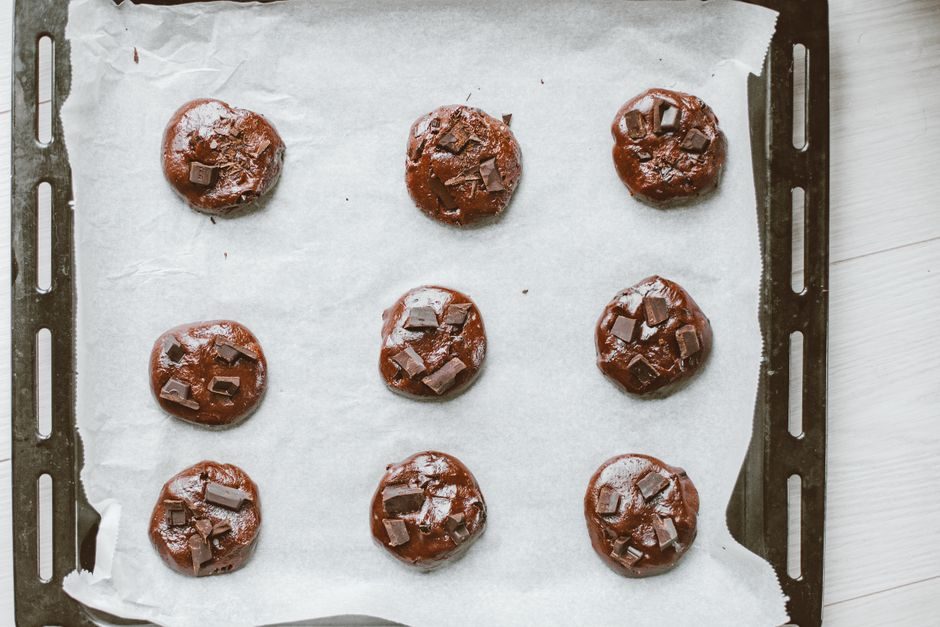
- 1 cup (2 sticks, about 226 g) unsalted butter, softened to room temperature
- 3/4 cup (150 g) packed light or dark brown sugar
- 1/2 cup (100 g) granulated white sugar
- 2 large eggs, at room temperature
- 2 teaspoons pure vanilla extract
- 2 1/4 cups (about 280 g) all-purpose flour
- 1 teaspoon baking soda
- 1 teaspoon fine salt
- 2 cups (about 340 g) semisweet chocolate chips
Step-by-Step: How to Make Cookie Dough
To make cookie dough, cream the butter and sugars, beat in the eggs and vanilla, mix in the dry ingredients on low speed, fold in the chips, and chill the dough before baking. The full process takes about 20 minutes of active work plus chilling time. Follow these steps in order for the best texture.
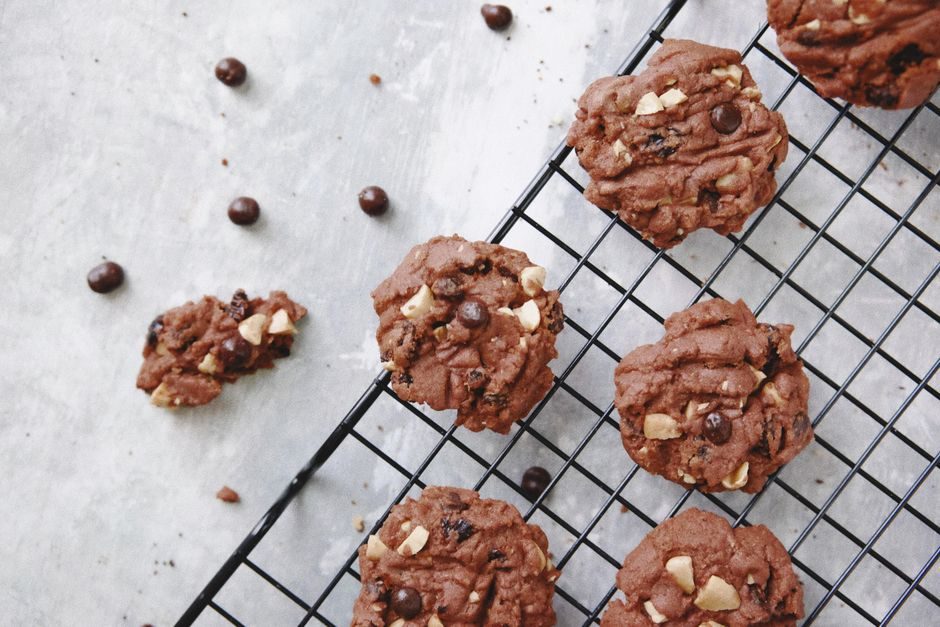
- Let the butter sit at room temperature until it gives slightly when pressed, but is not greasy or melted.
- Beat the butter, brown sugar, and white sugar on medium speed for 2 to 3 minutes, until light and fluffy.
- Add the eggs one at a time, beating well after each, then mix in the vanilla.
- In a separate bowl, whisk together the flour, baking soda, and salt to distribute the leavener evenly.
- Add the dry mixture to the wet mixture on low speed, mixing only until no dry streaks remain.
- Fold in the chocolate chips with a spatula or on the lowest speed.
- Cover the bowl and refrigerate the dough for at least 30 minutes, or up to 24 hours.
- Heat the oven to 375°F, scoop 2-tablespoon portions onto a lined baking sheet, and bake for 9 to 11 minutes, until the edges are golden and the centers look just set.
- Cool the cookies on the pan for 2 minutes, then move them to a wire rack.
How Do You Fix Common Cookie Dough Problems?
Most cookie dough problems come down to temperature, flour measurement, or overmixing. Use the table below to match what you see with the likely cause and the fix. Small adjustments usually solve the issue on the next batch.
| Problem | Likely cause | Fix |
|---|---|---|
| Cookies spread too thin | Butter was too warm, or the dough was not chilled | Chill the dough at least 30 minutes and bake from cold |
| Cookies are dry or cakey | Too much flour from scooping directly from the bag | Spoon and level the flour, or weigh it |
| Dough is crumbly and won’t come together | Butter was too cold, or the flour measurement was heavy | Let the dough warm 10 minutes, then mix in a teaspoon of milk |
| Cookies are tough | Dough was overmixed after the flour went in | Mix on low only until no dry streaks remain |
| Cookies are pale and underbaked | Oven temperature was too low or dough balls were too large | Check the oven with a thermometer and use 2-tablespoon portions |
If your cookies look thinner than you want even after chilling, the dough may be too soft or the butter may have been too warm when you started. For more on controlling spread, see this guide to chocolate chip cookies that don’t go flat.
What Are the Best Tips for Soft, Thick Cookies?
The best tips for soft, thick cookies focus on temperature control, portion size, and bake time. Use the checklist below before each batch. Each item is a small change that adds up to a noticeably thicker, chewier result.
- Use room-temperature butter and eggs, not melted butter or cold eggs straight from the fridge.
- Use a scoop of consistent size so every cookie bakes at the same rate.
- Chill the dough before baking, even if you are in a hurry.
- Bake one sheet at a time on the center rack for even browning.
- Pull the cookies when the edges are set and the centers look slightly underdone, since they keep baking on the hot pan.
- Store cookies in an airtight container with a slice of bread to help them stay soft.
If you want to explore more dessert options after you master this dough, try these easy cookie recipes that never fail for beginner-friendly variety.
Frequently Asked Questions
Can you eat cookie dough raw?
You should not eat cookie dough raw, because it is typically made with raw eggs and raw flour. The CDC has linked raw cookie dough to Salmonella outbreaks, and the FDA notes that flour is not made safe by milling. Bake the dough fully and let it cool before eating.
Why does cookie dough need to chill?
Chilling firms the butter so the dough spreads more slowly in the oven. This gives the cookies time to set before they flatten, which results in a thicker, softer center. A minimum of 30 minutes in the refrigerator is a good starting point.
Can I use margarine instead of butter?
You can use margarine, but the cookies usually taste less rich and may spread more. Stick margarine contains more water than butter, which changes the balance of the dough. For the best flavor and texture, use unsalted butter.
Can you make cookie dough without eggs?
Yes, you can make eggless cookie dough, but the eggs provide structure and moisture, so the texture will change. Many eggless recipes use extra butter or milk to compensate. If you want a no-bake dough that is safe to eat raw, use heat-treated flour and skip the raw eggs.
Why are my cookies flat?
Flat cookies usually come from warm butter, too much sugar relative to flour, or dough that was not chilled. Check the butter temperature, measure the flour by spooning and leveling, and chill the dough for at least 30 minutes. Baking on a cool pan also helps.
Final Thoughts on How to Make Cookie Dough
Knowing how to make cookie dough comes down to balanced ingredients, careful mixing, and a proper chill before baking. Measure your flour accurately, keep the butter at room temperature, and never skip the refrigerator. Bake the dough fully, since the CDC and FDA both advise against eating raw dough made with raw eggs or flour. Once you have this base recipe down, you can add nuts, oats, or other mix-ins, and you can browse more ideas in these beginner-friendly cookie recipes for your next batch.