Last updated: · By Claire Dawson
Shortnin’ bread is a rich, crumbly Southern butter cookie made from just three core ingredients: very soft butter, brown sugar and all-purpose flour. You cream the butter and sugar, mix in the flour, press the dough into a pan or cut it into shapes, and bake until golden. This guide gives you a complete method, the history behind the name, and the nutrition facts you should know before you bake a batch.
Key Takeaways
- A basic shortnin’ bread batch uses 1 cup of very soft butter, 1/2 cup of packed brown sugar and about 3 cups of all-purpose flour.
- Bake the dough at 325°F for 25 to 30 minutes when pressed into a 9×13-inch pan, or for 18 to 22 minutes when cut into 1/2-inch shapes.
- Traditional Scottish shortbread is built on a ratio of roughly one part sugar, two parts butter and three to four parts plain flour, with no leavening.
- Shortnin’ Bread appears in print by at least 1900, when James Whitcomb Riley published the folk song as a poem, and its origin is considered obscure.
- One cup of butter, about 227 grams, provides roughly 1,630 calories and about 115 grams of saturated fat, so the whole batch is very rich.
What Is Shortnin’ Bread?
Shortnin’ bread is a butter-heavy Southern treat with a tender, crumbly texture. It behaves more like a cookie or shortbread than a leavened loaf. The term “short” describes doughs high in fat, which coat the flour and limit gluten development, producing a tender bite rather than a chewy one.
The dough follows the same butter-forward logic as Scottish shortbread. Wikipedia’s overview of shortbread describes the traditional ratio as roughly one part sugar, two parts butter and three to four parts plain wheat flour, with no leavening. Shortnin’ bread uses a similar base, but most home versions use more flour and less sugar, so the result is sturdier and less sweet.
Where Does the Name Shortnin’ Bread Come From?
The name comes from a folk song, and the song’s origin is considered obscure. The song dates back at least to 1900, when James Whitcomb Riley published it as a poem. The bread became associated with Southern home baking over time, but no single originator is documented.
If you want to read more about the song and its publication history, the Wikipedia entry on Shortnin’ Bread summarizes what is known and what is not. Treat any claim about a specific inventor or exact birthplace of the recipe with caution, because the sources do not confirm one.
What Ingredients Do You Need for Shortnin’ Bread?
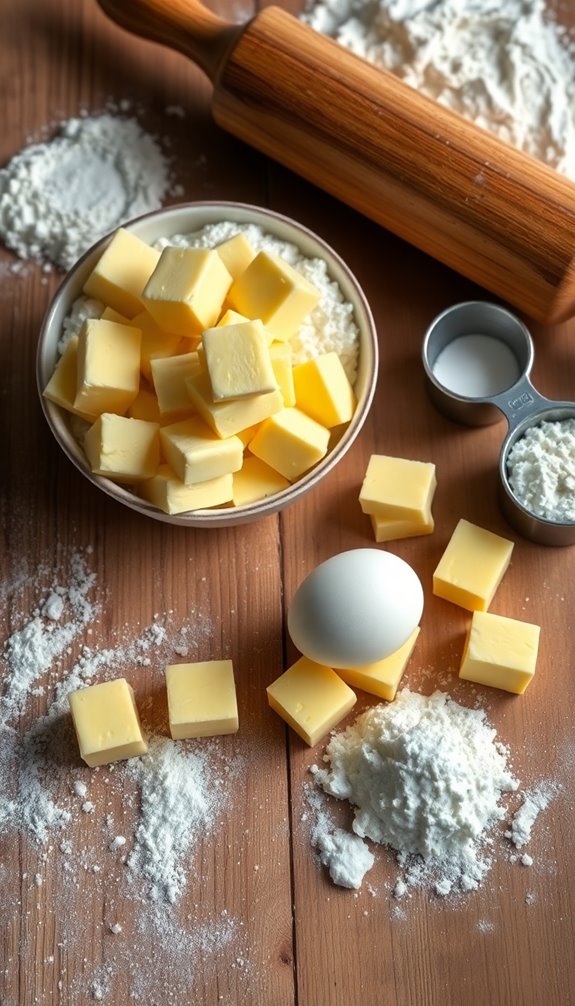
A classic batch needs butter, brown sugar and flour, plus a pinch of salt for balance. The butter should be very soft, meaning it gives to gentle pressure without looking shiny or melted. Use the amounts below for a standard 9×13-inch pan.
| Ingredient | Amount | Role in the dough |
|---|---|---|
| Unsalted butter, very soft | 1 cup (2 sticks, about 227 g) | Provides richness and tenderness |
| Packed brown sugar | 1/2 cup | Adds sweetness and moisture |
| All-purpose flour | About 3 cups | Gives the dough structure |
| Fine salt | 1/4 teaspoon | Balances the sweetness |
| Vanilla extract (optional) | 1 teaspoon | Adds a warm aroma |
How Rich Is the Butter in This Recipe?
Butter is the main source of richness, so it helps to know its numbers. Per 100 grams, unsalted butter provides about 717 calories and roughly 50.5 grams of saturated fat, according to MyFoodData’s unsalted butter entry, which uses USDA Standard Release data. One cup of butter weighs about 227 grams, so the butter alone contributes roughly 1,630 calories to the batch.
The USDA database behind these figures has its own history. Per Wikipedia’s article on the USDA National Nutrient Database, it was renamed FoodData Central in 2019, was first released in August 2015, and is revised every two years. Check current USDA values if you need exact numbers for a special diet.
How Do You Make Shortnin’ Bread?
Cream the butter and brown sugar, mix in the flour, press the dough into a pan, and bake at 325°F until the edges turn golden. The active work takes about 15 minutes, and baking takes another 25 to 30 minutes. Let the bread cool before serving so the texture sets.
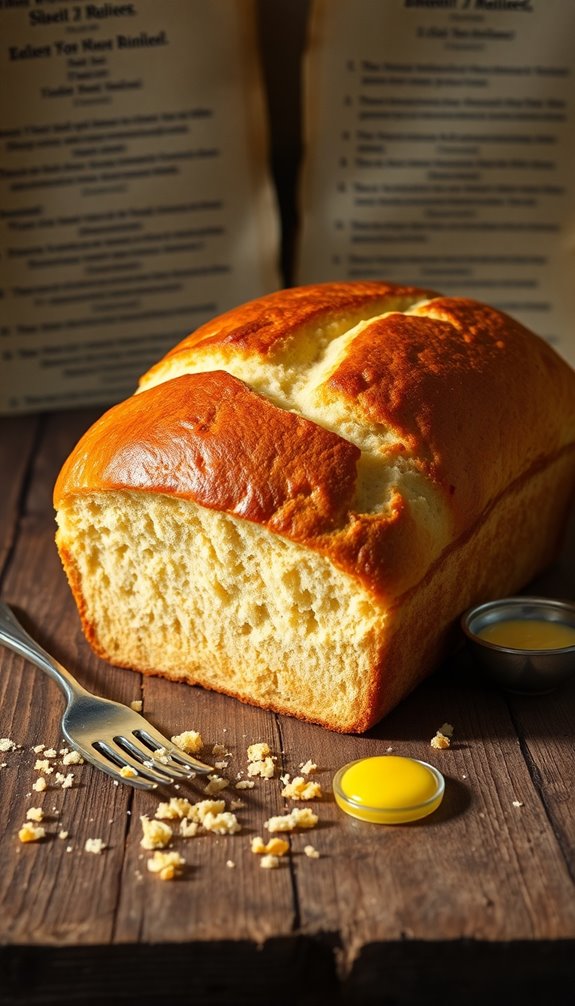
- Heat the oven to 325°F with a rack in the center. Lightly grease a 9×13-inch baking pan or line it with parchment.
- Beat the very soft butter and brown sugar on medium speed for 2 to 3 minutes, until light and fluffy.
- Beat in the salt and vanilla, if using, scraping down the bowl once.
- Add the flour gradually on low speed, mixing only until the dough forms and no dry streaks remain. If the dough is very crumbly, add 1 to 2 tablespoons of softened butter or a splash of cold water.
- Press the dough evenly into the pan, about 1/2 inch thick. Prick the surface lightly with a fork.
- Bake for 25 to 30 minutes, until the edges are golden and the top looks set.
- Cut into fingers or squares while still warm, then cool completely in the pan or on a wire rack.
Can You Cut Shortnin’ Bread Into Shapes?
Yes, you can roll the dough and cut it into shapes instead of pressing it into a pan. Roll the dough to an even 1/2-inch thickness on a lightly floured surface, then cut with cookie cutters. Bake the shapes on parchment-lined sheets at 325°F for 18 to 22 minutes, until the edges are lightly golden.
If the dough softens too much while you work, chill it for 15 to 20 minutes before cutting. Cold dough holds its edges better and spreads less in the oven.
What Are the Best Tips for Tender Shortnin’ Bread?
The most important habits are controlling the butter temperature, adding flour gradually and avoiding overwork. Overmixed dough develops more gluten, which makes the finished bread tougher. Use the checklist below before you bake.
- Use butter that yields to pressure but still holds its shape.
- Add the flour on low speed and stop as soon as no dry streaks remain.
- Press or roll the dough to an even thickness so the batch bakes evenly.
- Bake until the edges are golden; the centers will look paler than a typical cookie.
- Cool completely before storing, so the texture sets and the pieces don’t crack.
If you enjoy rich, butter-forward baking, try this Butter Braid recipe for a rich, yeast-raised bread for a different texture with a similar buttery flavor.
Which Flavor Variations Work Best?
Warm spices, toasted nuts, citrus zest and chocolate all pair well with the brown sugar base. Add these ingredients in small amounts so the buttery flavor still comes through. Start with one variation per batch until you know how you like it.
- Cinnamon or nutmeg: Add 1/2 to 1 teaspoon of ground spice with the flour.
- Chopped pecans or walnuts: Fold in about 1/2 cup at the end of mixing.
- Lemon zest: Beat the zest of one lemon into the butter and sugar for a bright finish.
- Chocolate: Melt semisweet chips and drizzle them over the cooled pieces.
Can You Make Shortnin’ Bread Gluten-Free?
You can substitute a gluten-free all-purpose flour blend that is labeled as a 1-to-1 replacement for wheat flour. The texture will be more delicate and crumbly, so chill the dough before pressing it into the pan. Nut flours change the texture more significantly, so test a small batch first if you try them.
How Should You Serve and Store Shortnin’ Bread?
Store cooled pieces in an airtight container at room temperature, and serve them with coffee, tea or a glass of milk. The cookies are sturdy enough for gifting and holiday trays. Keep layers separated with parchment to prevent sticking.
For a holiday dessert spread, pair shortnin’ bread with a Southern holiday ambrosia recipe made with fruit and coconut. The bright, fruity dessert balances the rich butter flavor of the bread.
Where Does Shortnin’ Bread Fit Among Classic American Desserts?
Shortnin’ bread belongs to the family of American butter cookies and bar desserts that rely on a few pantry staples. It is simpler than many layered cakes, which makes it a good choice for first-time bakers. If you want to compare it with other long-running favorites, browse this roundup of classic American desserts that never go out of style.
Frequently Asked Questions
Is Shortnin’ Bread the Same as Shortbread?
They are closely related because both rely on a high proportion of butter and no leavening. Traditional Scottish shortbread follows a ratio of roughly one part sugar, two parts butter and three to four parts flour. Shortnin’ bread is usually sturdier, with more flour and a deeper brown-sugar flavor.
Can I Use White Sugar Instead of Brown Sugar?
Yes, you can use granulated white sugar in the same amount. The cookies will taste lighter and less molasses-rich, and they may brown a little less. Packed brown sugar gives the classic flavor most people expect.
Why Is My Shortnin’ Bread Crumbly?
Crumbly dough usually means the butter was too cold or the batch has too much flour. Let the butter soften until it yields to gentle pressure, then add the flour gradually. A tablespoon or two of softened butter can bring the dough together.
How Long Does Shortnin’ Bread Keep?
Stored airtight at room temperature, shortnin’ bread generally keeps well for about a week. Its high butter content keeps it tender, though the texture will gradually become drier. Freeze unfrosted pieces in a sealed container if you want to keep them longer.
How Many Calories Are in Shortnin’ Bread?
The butter alone contributes roughly 1,630 calories to a batch made with one cup of butter, based on USDA-derived data for unsalted butter. Dividing the batch into more pieces lowers the calories per serving. Check the final yield in your pan to estimate a portion size.
Conclusion
A good shortnin’ bread recipe depends on three simple ingredients, very soft butter, and careful mixing. Use the method above, watch for golden edges, and let the bread cool fully before serving. Once you master the basic dough, try the spice, nut and chocolate variations to make it your own.