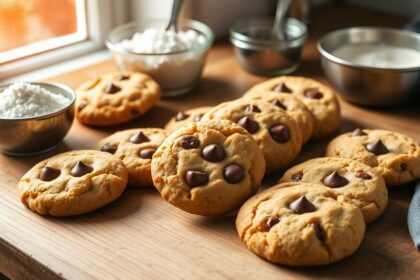
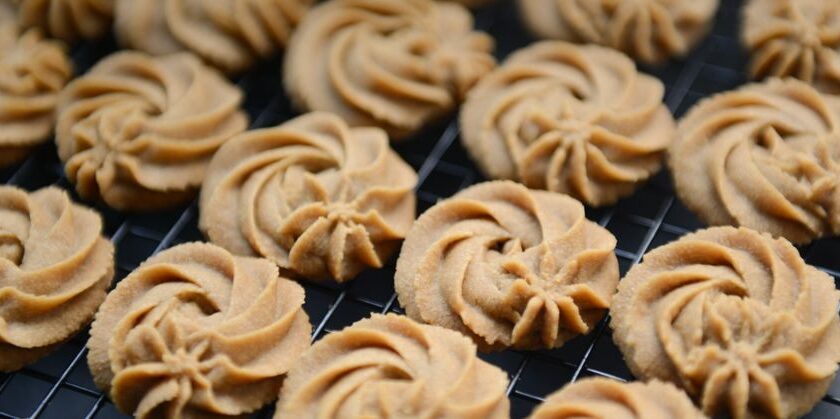
A snickerdoodle recipe usually goes wrong in one of a few predictable ways: the butter is too warm, the leavening is out of balance, the dough balls are packed too close together, or the flour is measured too loosely. Flat snickerdoodles come out thin, greasy, and spread wide instead of puffy with crinkled tops. The good news is that each cause has a clear fix, and most of them come down to temperature and measurement. Here is what is happening in the bowl and the oven, and which common myths you can safely ignore.
Key Takeaways
- Butter that is too warm melts and spreads in the oven before the cookie structure sets, which is the most common reason snickerdoodles go flat.
- Cream of tartar and baking soda work together to lift snickerdoodles briefly during baking, so leaving out cream of tartar or using too much baking soda changes both the rise and the flavor.
- Dough made with melted butter spreads more than dough made with softened butter when it is baked right away, but chilling the dough first reduces that spread.
- Snickerdoodle dough balls need space on the baking sheet because they spread as they bake.
- Scooping flour straight from the bag can pack in extra flour, which makes cookies dense, while too little flour leaves the dough slack and prone to spreading.
Why Do Snickerdoodles Go Flat?
Snickerdoodles go flat when the fat melts too quickly in the oven, before the egg and flour structure has time to set. Butter that is warmer than it should be is the most common cause. King Arthur Baking Company explains in its guide on why cookies spread that butter that is too warm melts and spreads before the cookie structure sets.
Room-temperature butter should still hold its shape when you press it, with a slight give. It should not look shiny, feel oily, or sag. If your kitchen is warm, or you microwaved the butter to soften it, the dough may already be too soft before it reaches the oven.
Should You Use Melted, Softened, or Cold Butter?
Softened butter gives the most reliable shape for most snickerdoodle recipes. Melted butter can work, but it spreads more unless you chill the dough. Cold butter is hard to cream evenly, which leads to uneven dough.
| Butter state | What happens in the oven | How to handle it |
|---|---|---|
| Softened (dents when pressed, still holds shape) | Holds its shape while the structure sets, giving a puffy, crinkled cookie | Use as your recipe directs for most snickerdoodles |
| Too warm or greasy | Melts before the structure sets, so cookies spread wide and thin | Chill the dough until firm before scooping |
| Melted | Spreads more than softened butter when baked immediately | Chill the dough before baking to reduce spread |
| Cold from the refrigerator | Hard to cream smoothly, so the dough can turn out lumpy and unevenly mixed | Let it soften on the counter before creaming |
The Kitchn’s comparison of melted, cold, and room-temperature butter in cookies found that dough made with melted butter spreads more than dough made with softened butter when baked immediately. Chilling melted-butter dough before baking reduces that spread, so melted butter is an option if you plan ahead.
Can You Swap in Brown Sugar?
You can, but expect a different texture. Brown sugar adds moisture and acidity, which usually makes cookies softer and chewier and can increase spread. If you want to see how the two sugars behave, read our guide on how light and dark brown sugar affect cookie spread and chew.
Does Skipping Cream of Tartar Make Snickerdoodles Flat?
Leaving out cream of tartar rarely flattens cookies by itself, but it changes the rise and flavor that define a snickerdoodle. Cream of tartar is the ingredient that most distinguishes snickerdoodles from plain sugar cookies. America’s Test Kitchen’s snickerdoodle recipe explains that cream of tartar combined with baking soda produces a short-lived leavening effect that makes the cookies rise and fall during baking, which creates their crinkly tops.
Without that reaction, the tops tend to stay smoother and the cookies may look flatter and less distinctive. Check that your recipe includes both ingredients in the amounts it specifies, and measure them level.
What Happens With Too Much Baking Soda?
Too much baking soda can leave a soapy or bitter taste and a coarse crumb. It can also cause uneven browning. Doubling the baking soda to make cookies puff more is a common mistake that usually backfires. Keep the ratio your recipe gives and use a measuring spoon, not a heaping scoop.
Does Spacing Dough Balls Affect Snickerdoodle Shape?
Yes. Snickerdoodle dough balls need room to spread, so they should be placed well apart on the baking sheet. Wikipedia’s article on the snickerdoodle notes that the balls are spaced well apart so they have room to spread as they bake.
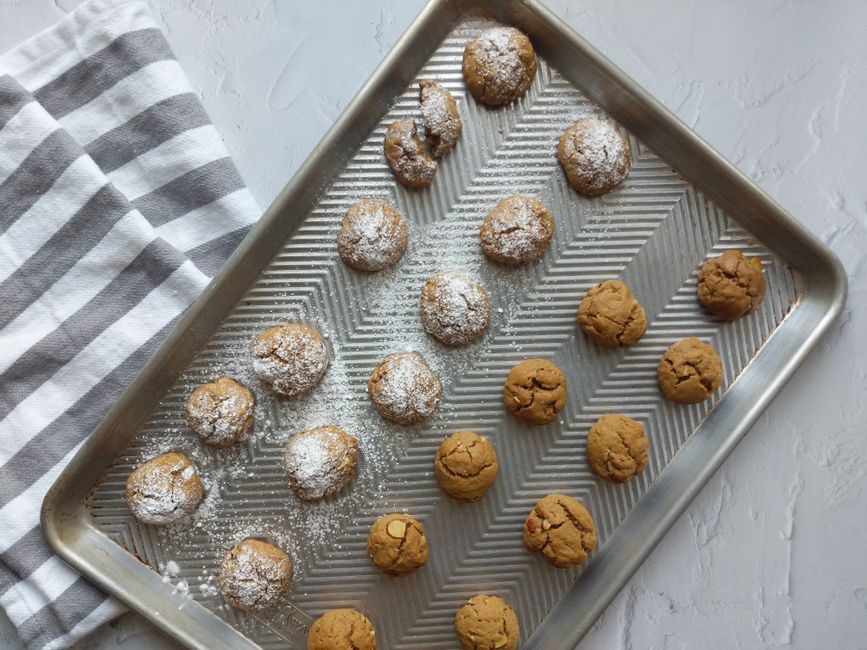
Crowded dough balls merge into one sheet of dough, and the cookies bake with flat, uneven edges. Roll the balls to a consistent size and leave about two inches between them. Bake one sheet at a time if your oven is small, so the cookies have room and heat evenly.
How Does Flour Measurement Change Your Cookies?
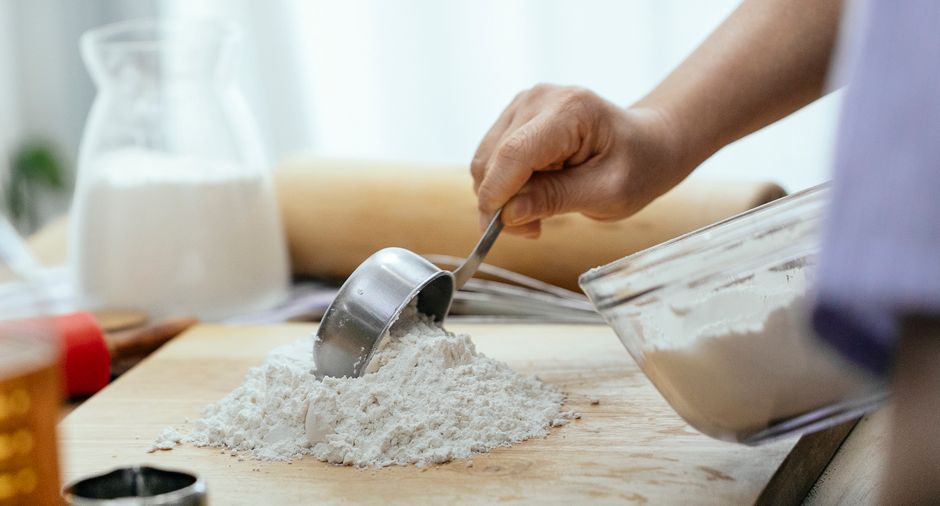
Scooping flour straight from the bag packs in extra flour, which makes dough dry and dense. Too little flour leaves the dough loose and more likely to spread. Measuring by spoon-and-level or by weight gives the most consistent results.
Should You Weigh Flour or Spoon It?
Weighing is the most consistent method, but spooning and leveling is acceptable if you do it correctly. Spoon flour into the cup until it overflows, then level it with a knife without pressing down. If your recipe uses cups and you want to switch to grams, use a free baking cups-to-grams converter to make the conversion.
Can Oven Temperature and Pans Make Cookies Flat?
Yes. An oven that runs cool lets butter melt before the structure sets, which causes spreading. Dark or thin pans absorb heat quickly and can brown the bottoms before the tops set.
- Check your oven with an oven thermometer, since many home ovens run off the dial setting.
- Use light-colored, heavy aluminum baking sheets when you can.
- Line sheets with parchment paper or a silicone mat instead of greasing them.
- Let sheets cool to room temperature between batches, because a warm sheet melts the butter in new dough.
- Bake on the center rack so the cookies heat evenly from the bottom and top.
Why Does Chilling Dough Help?
Chilling firms the butter so it melts more slowly in the oven, which gives the structure more time to set. The same principle explains many flat chocolate chip cookies, so our guide to troubleshooting flat chocolate chip cookies covers similar fixes. Chill the dough for at least 30 minutes before baking if it feels soft.
What Is a Snickerdoodle Troubleshooting Checklist?
Work through these checks in order before you change the recipe itself. Most flat snickerdoodles trace back to one of the first three items.
- Confirm the butter is softened, not shiny, greasy, or melted.
- Measure flour by spoon-and-level or by weight, never by scooping from the bag.
- Check that the cream of tartar and baking soda are both included and measured level.
- Chill the dough if it feels soft or if you used melted butter.
- Space the dough balls about two inches apart on a cool, light-colored sheet.
- Verify the oven temperature with a thermometer and bake on the center rack.
Frequently Asked Questions
Why are my snickerdoodles flat and crispy?
Flat, crispy snickerdoodles usually mean the dough was too warm or the oven was too cool, so the butter melted and spread before the cookies set. Too much butter or too little flour can cause the same problem. Chill the dough and measure the flour by weight or spoon-and-level to see if the texture improves.
Can I chill snickerdoodle dough overnight?
Yes, chilling dough overnight is a common way to reduce spreading and deepen flavor. Cover the dough tightly so it does not dry out or pick up odors from the fridge. Let it sit at room temperature for a few minutes if it is too hard to scoop.
Do I really need cream of tartar in a snickerdoodle recipe?
Cream of tartar is what gives snickerdoodles their signature tang and crinkled tops, so it is a key ingredient rather than an optional garnish. Without it, the cookies taste closer to a plain sugar cookie. If you are out of cream of tartar, you can still bake the cookies, but expect a smoother top and a milder flavor.
Can I use melted butter in snickerdoodles?
You can use melted butter, but the dough will spread more than dough made with softened butter. Chill the dough until it is firm before scooping and baking. Expect a chewier, denser cookie with a slightly different texture.
Why do my snickerdoodles taste soapy?
A soapy or bitter taste usually means there is too much baking soda in the dough. Measure baking soda level with a measuring spoon and follow the ratio your recipe gives. Make sure the baking soda is fully mixed into the dough so it does not leave pockets in individual cookies.
Conclusion
Most flat snickerdoodles come from a short list of causes: butter that is too warm, a leavening balance that is off, dough balls that are too close together, flour measured too loosely, or an oven that runs cool. Fix those five things and your snickerdoodle recipe should give you puffy cookies with crinkled tops. If you want a different cookie that holds its shape, try our chocolate chip cookie recipe built to hold its shape.