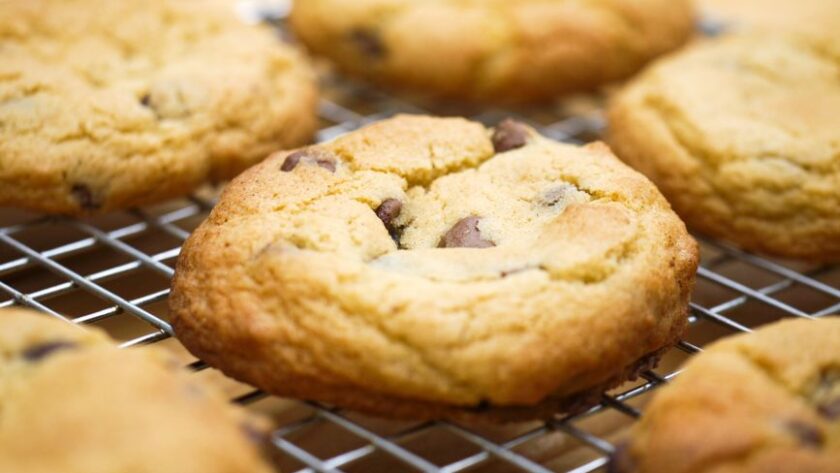
To make chocolate chip cookies that hold their shape and bake up chewy, you need the right ratio of butter to flour, a balance of brown and white sugar, a short chill for the dough, and an oven at the correct temperature. Most failed batches come from one of three problems: measuring flour by volume, using butter that is too warm or too cold, or baking too long. This guide walks you through a reliable method for how to make chocolate chip cookies at home, explains the science of browning, and shows you how to fix the mistakes that cause flat or dry results.
Key Takeaways
- Softened butter at about 65 to 67 degrees Fahrenheit creams well with sugar and gives cookies a tender, chewy texture.
- Chilling chocolate chip cookie dough for at least 30 minutes reduces spreading, which helps cookies keep their shape in the oven.
- Baking at 375 degrees Fahrenheit for about 9 to 11 minutes usually produces a soft center with golden edges.
- Browning comes from the Maillard reaction and sugar caramelization, which add flavor as well as color to baked goods.
- Using more brown sugar than white sugar adds moisture and a deeper, toffee-like flavor to the finished cookie.
What Ingredients Do You Need for Chocolate Chip Cookies?
A classic batch uses flour, butter, granulated and brown sugar, eggs, vanilla, baking soda, salt and chocolate chips. Each ingredient controls a specific part of the texture, so understanding their roles helps you adjust the recipe with confidence.
| Ingredient | Typical Amount (1 batch, about 36 cookies) | What It Does |
|---|---|---|
| All-purpose flour | 2 1/4 cups (about 280 g) | Provides structure so cookies hold their shape |
| Unsalted butter, softened | 1 cup (2 sticks) | Adds richness and tenderness; creaming it with sugar traps air |
| Brown sugar | 3/4 cup, packed | Adds moisture, chew and caramel notes |
| Granulated sugar | 3/4 cup | Helps edges crisp and spread the dough |
| Eggs, room temperature | 2 large | Bind the dough and add structure |
| Baking soda | 1 teaspoon | Raises the cookie and promotes browning |
| Salt | 1 teaspoon (fine) | Balances sweetness and sharpens flavor |
| Chocolate chips | 2 cups | Deliver melted pockets of chocolate |
If you want a simpler starting point before you tackle a full batch, beginner-friendly cookie recipes can help you build basic skills first.
How Do You Make Chocolate Chip Cookies, Step by Step?
To make chocolate chip cookies, cream the butter and sugars, beat in the eggs and vanilla, mix in the dry ingredients, fold in the chips, chill the dough, and bake in batches. The steps below follow that order and include the timing that matters most.
- Heat the oven. Set the rack to the middle position and preheat to 375 degrees Fahrenheit. Line two baking sheets with parchment.
- Cream the butter and sugars. Beat the softened butter with both sugars for 2 to 3 minutes until the mixture looks light and fluffy.
- Add the eggs and vanilla. Beat in one egg at a time, then add 2 teaspoons of vanilla. Scrape the bowl down so everything blends evenly.
- Mix the dry ingredients separately. Whisk the flour, baking soda and salt in a bowl. Add them to the wet mixture on low speed, stopping as soon as no dry streaks remain.
- Fold in the chocolate. Stir in the chips by hand so the dough stays thick.
- Chill the dough. Refrigerate for at least 30 minutes, or up to 72 hours for deeper flavor. Chilled dough spreads less and bakes up thicker.
- Scoop and space. Portion rounded tablespoons of dough about 2 inches apart on the prepared sheets.
- Bake until the edges set. Bake 9 to 11 minutes, rotating the pan halfway through, until the edges are golden and the centers look slightly underbaked.
- Rest on the pan. Let the cookies sit on the hot sheet for 5 minutes so they finish setting, then move them to a wire rack.
Why Does Browning Matter in Chocolate Chip Cookies?
Browning matters because it creates most of the flavor and color in a baked cookie. It happens when heat triggers chemical reactions between sugars and proteins, and between sugars themselves, at the surface of the dough.
Browning and flavor formation during high-heat cooking come from reactions between amino acids and reducing sugars, which form Maillard reaction products, according to a review in PubMed Central’s overview of Maillard reaction products. In baking, a separate review on browning development in bakery products reports that color formed during baking is driven by the Maillard reaction and sugar caramelization, and that these reactions also affect flavor and nutritional quality.
The USDA’s Mendel Friedman, writing in the Journal of Agricultural and Food Chemistry overview of food browning, explains that both caramelization and Maillard reactions produce brown melanoidin pigments. For you as a baker, this means that brown sugar, which contains molasses, tends to produce deeper color and flavor than white sugar alone.
How Can You Control Browning in Your Cookies?
You control browning mainly through temperature, time and sugar choice. Use a reliable oven thermometer, pull the cookies when the edges are golden, and choose sugars based on the color you want.
- Bake at 375 degrees Fahrenheit for a balanced result.
- Use more brown sugar for chewier, darker cookies.
- Pull cookies when the edges are golden, since they keep cooking on the hot pan.
How Do Oven Temperature and Bake Time Affect Cookies?
Higher oven temperatures and longer bake times produce more browning and more of certain byproducts, so moderate heat and careful timing are the safest path to a good cookie. A dough that bakes too long turns dry and brittle, even when it looks fine on top.
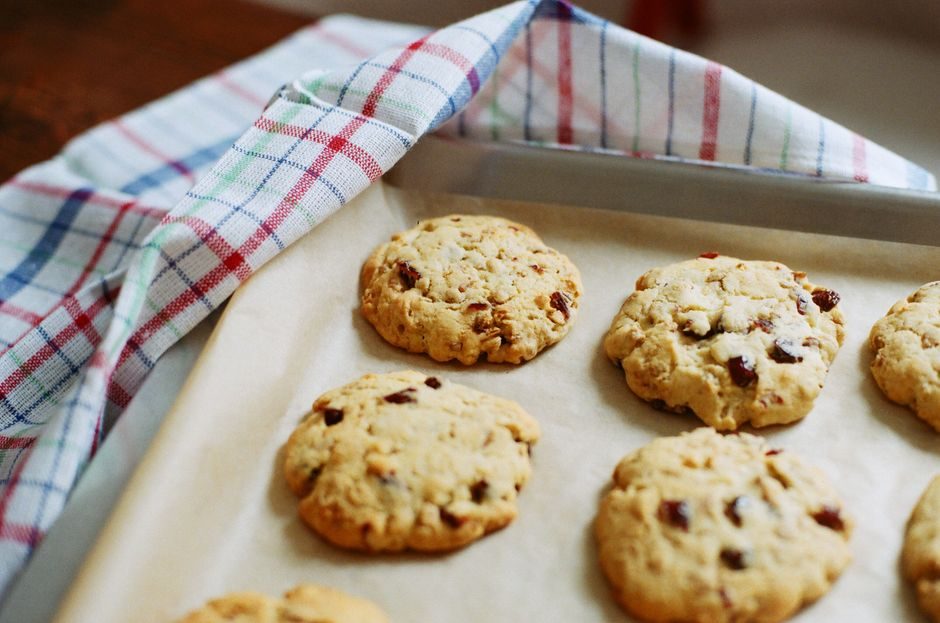
A study published through PubMed Central on bread baking found that higher baking temperatures and longer baking times increase hydroxymethylfurfural, a Maillard product that is a potential health concern at high dietary intake. The same research links the formation to browning intensity. The practical takeaway is simple: bake cookies to golden, not dark brown, and do not add extra minutes out of caution.
What Causes Chocolate Chip Cookies to Fail?
Chocolate chip cookies usually fail because of flour measurement, butter temperature, skipped chilling, or overbaking. Most problems are easy to diagnose once you know which symptom you see.
Why Do My Cookies Spread Too Much?
Cookies spread when the butter is too warm, the dough is not chilled, or there is too little flour. Chill the dough for at least 30 minutes and confirm your flour is measured by weight or spooned and leveled. For a deeper look at this problem, read why chocolate chip cookies turn out flat and how to fix them.
Why Are My Cookies Dry or Cakey?
Dry or cakey cookies usually have too much flour or too little fat and sugar, or they were overbaked. Scooping flour directly from the bag can add up to 20 percent extra flour, so weighing it is the most reliable fix. Pull the cookies when the centers still look soft.
What Else Goes Wrong With Chocolate Chip Cookies?
Other common problems include greasy cookies, pale tops and uneven baking. Each one has a simple cause, and a broader list of troubleshooting tips is available in this guide to ten common chocolate chip cookie mistakes.
Should You Use Light or Dark Brown Sugar?
Dark brown sugar gives cookies more molasses flavor and moisture, while light brown sugar produces a milder, more balanced taste. You can use either in the same amount, and the choice depends on the flavor you want.
Because brown sugar contributes to browning, switching types changes both color and chew. If you want to compare them side by side, see this breakdown of light versus dark brown sugar in chocolate chip cookies.
How Should You Store and Freeze Cookie Dough?
You can refrigerate scooped dough for up to 3 days or freeze it for up to 3 months. Bake frozen dough directly from the freezer, adding about 1 to 2 minutes to the bake time.
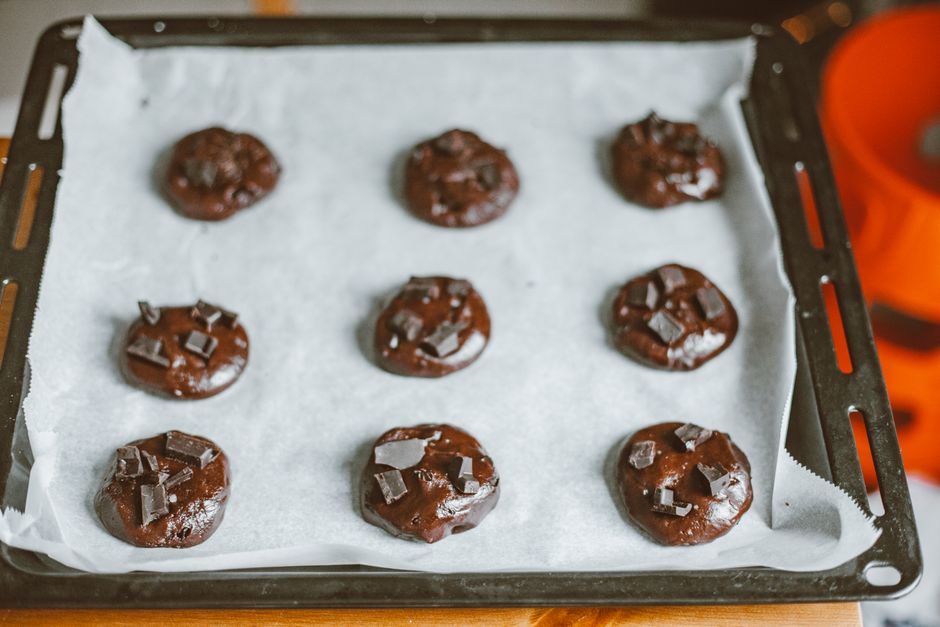
- Scoop the dough into balls and place them on a parchment-lined tray.
- Freeze until firm, about 1 hour.
- Transfer the balls to a labeled freezer bag.
- Bake from frozen on parchment at 375 degrees Fahrenheit.
Frequently Asked Questions
Do You Need to Chill Chocolate Chip Cookie Dough?
Chilling is not mandatory, but it is one of the most effective ways to prevent spreading. Dough chilled for at least 30 minutes holds its shape better and develops deeper flavor as it rests. If you are short on time, chill the scooped balls for 15 minutes instead.
Can You Use Melted Butter in Chocolate Chip Cookies?
Yes, melted butter produces chewier, denser cookies with a more pronounced brown sugar flavor. Because melted butter does not trap air when creamed, the cookies spread more, so chilling the dough is especially important. Expect a slightly flatter result than with creamed butter.
Why Should You Use Two Baking Sheets?
Two sheets let you bake one batch while the next one chills or waits on the counter. Rotate the sheets halfway through baking to even out heat. Always let the pan cool between batches, since placing dough on a hot sheet causes early spreading.
How Do You Know When Chocolate Chip Cookies Are Done?
Cookies are done when the edges are golden and set, and the centers look slightly underbaked and glossy. They firm up as they cool on the pan. If you wait until the centers look fully baked, the cookies will likely be dry once cooled.
How Long Do Homemade Chocolate Chip Cookies Last?
Stored in an airtight container at room temperature, baked cookies usually stay fresh for about 3 to 5 days. Adding a slice of bread to the container can help soften them. For more recipes with similar results, browse these beginner-friendly cookie recipes.
Conclusion
Knowing how to make chocolate chip cookies comes down to measuring accurately, using softened butter, chilling the dough, and baking to golden edges rather than dark brown. Start with the step-by-step method above, then adjust the sugar ratio and bake time to match your taste. Once you have mastered the basics, you can experiment with variations with confidence.