

Last updated: · By Claire Dawson
Hidden veggies desserts are sweets with finely pureed or grated vegetables mixed into the batter, so the vegetable adds moisture and nutrients while the taste stays familiar. You can sneak vegetables into brownies, muffins, cookies, pancakes, and smoothies, and the research supports the approach for picky eaters. This guide gives you 18 ideas, explains what the studies show, and walks through how to make the swaps work without ruining the dessert.
Key Takeaways
- A systematic review in PubMed Central notes that the bitter, undesirable taste of vegetables is often cited as a major reason young children reject them.
- In a study of adults, covertly adding pureed vegetables to energy-dense mixed dishes lowered energy intake and raised vegetable intake, including among adults who disliked vegetables.
- In a longitudinal study, offering an initially disliked vegetable at eight later meals markedly increased acceptance, and at age 6 the once-disliked vegetable was still liked by 57% of the children.
- Strong-flavored partners like cocoa, cinnamon, banana, and maple syrup do the most to mask vegetable color and taste in desserts.
- Hidden veggie desserts add nutrients but do not replace visible vegetables, so keep serving vegetables at regular meals too.
Why Do Picky Eaters Reject Vegetables?
Picky eaters most often reject vegetables because of their taste. A systematic review of vegetable intake interventions notes that the bitter, undesirable taste of vegetables is often cited as a major reason young children reject them. Hidden veggie desserts address that barrier by pairing vegetables with flavors kids already enjoy, such as chocolate, cinnamon, and banana.
Does Hiding Vegetables Actually Work?
Yes, covert vegetables can change how much people eat in controlled settings. Research on hiding pureed vegetables in energy-dense dishes found that adding them covertly lowered energy intake and raised vegetable intake, including among adults who disliked vegetables. The same paper notes that a prior preschool study reported similar results in children.
These are short-term meal studies, so treat hidden veggies as a helpful bridge rather than a complete fix. They help you increase vegetable servings while you also work on repeated exposure to plain vegetables over time.
Which Hidden Veggies Desserts Should You Try First?
The best starting points are recipes where chocolate, spice, or fruit hides the vegetable’s color and flavor. The table below lists 18 dessert ideas, the vegetable that does the work, and why it blends in well.

| Dessert | Hidden vegetable | Why it hides well |
|---|---|---|
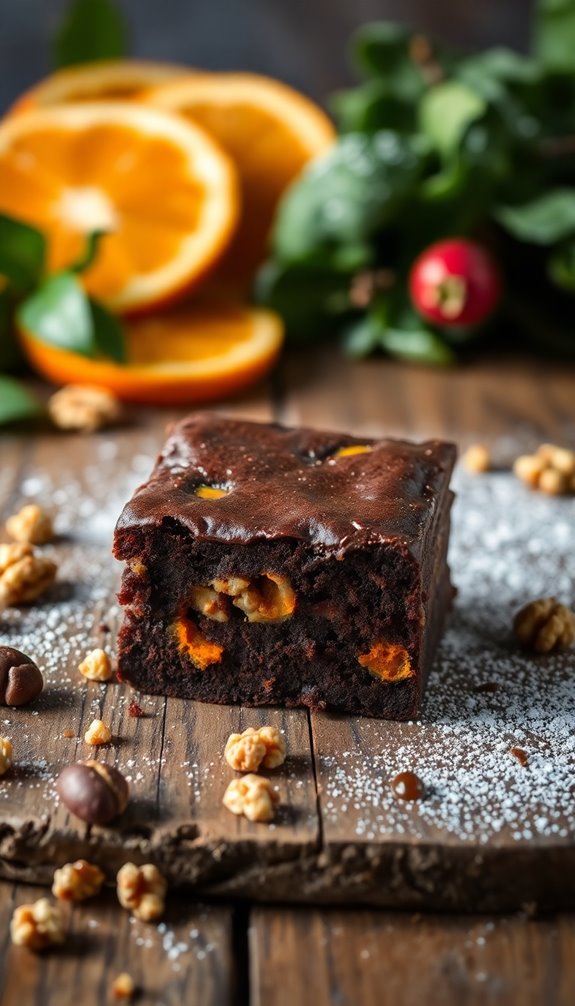
| Sweet potato brownies | Sweet potato | Adds moisture and natural sweetness to fudgy batter |
| Beet brownies | Beet | Cocoa masks the earthy flavor and deepens the color |
| Zucchini bread | Zucchini | Keeps the crumb moist, and cinnamon covers the taste |
| Carrot cake muffins | Carrot | Natural sweetness pairs with warm spices |
| Zucchini chocolate cupcakes | Zucchini | Dark chocolate hides color and flavor |
| Spinach chocolate smoothie | Spinach | Cocoa and banana cover the green color |
| Spinach banana pancakes | Spinach | Ripe banana provides sweetness and softness |
| Hidden veggie pancakes with maple syrup | Zucchini or carrot | Syrup balances earthy notes |
| Sweet potato banana cookies | Sweet potato | Banana sweetness dominates the flavor |
| Carrot oatmeal cookies | Carrot | Cinnamon and oats mask the vegetable |
| Avocado chocolate mousse | Avocado | Cocoa and maple syrup create a rich, familiar flavor |
| Pumpkin pie parfait | Pumpkin puree | Yogurt, spices, and granola dilute the taste |
| Beet and berry popsicles | Beet | Berries cover the earthiness |
| Pureed carrot chocolate cake | Carrot | Cocoa hides the orange color |
| Pumpkin muffins | Pumpkin puree | Cinnamon and nutmeg dominate |
| Butternut squash brownies | Butternut squash | Puree adds moisture while chocolate masks the flavor |
| Spinach brownies | Spinach | Dark cocoa hides the green color |
| Sweet potato pie | Sweet potato | Classic pie filling is made with pureed sweet potato |
How Do You Add Vegetables to a Dessert Recipe?
To add vegetables to almost any dessert, puree or finely grate them, then replace part of the fat or base rather than all of it. Start small and adjust after one batch. These steps work for most quick breads, muffins, and brownies.
- Choose a moist, strong-flavored base such as chocolate, banana, or cinnamon spice.
- Puree cooked sweet potato, pumpkin, or beets until smooth, or finely grate carrots and zucchini.
- Squeeze grated zucchini in a towel to remove excess water before adding it to the batter.
- Swap in the puree for part of the oil or butter, starting with about one-third to one-half of the fat.
- Bake until a toothpick comes out with moist crumbs, since purees can make centers take a little longer.
Which Swaps Work Best for Brownies, Cakes, and Muffins?
Dense chocolate and spiced batters hide vegetables most reliably. Sweet potato and beet work especially well in brownies because cocoa covers their earthy notes. Zucchini and carrot suit muffins and quick breads because their moisture and sweetness blend into the crumb.
How Do Sweet Potato and Beet Brownies Taste?
Sweet potato brownies taste rich and fudgy, with a moist texture and a mild sweetness that reduces the amount of added sugar you need. Beet brownies look dramatic and taste deeply chocolatey, since the earthy flavor fades behind cocoa. Use a dark cocoa powder for the best color and flavor cover.
What Makes Zucchini Bread and Carrot Muffins Work?
Zucchini bread stays moist like a cake when the grated squeezed vegetable is paired with cinnamon, vanilla, or citrus zest. Carrot muffins get natural sweetness and tenderness from finely grated carrots, while nutmeg and cinnamon keep the flavor warm and familiar. Add chopped nuts or chocolate chips for texture that distracts from any vegetable notes.
Are Smoothies and Pancakes a Good Way to Hide Greens?
Yes, smoothies and pancakes are easy ways to add greens because strong flavors like banana, cocoa, and maple syrup dominate the taste. Spinach changes color more than flavor when it is blended with fruit and chocolate. Mild spinach works well in these recipes when you start with a small handful and add more over time.
Three smoothie variations are simple to try:
- Classic spinach-chocolate: Blend spinach, cocoa powder, banana, and almond milk for a rich treat.
- Berry spinach: Add strawberries or blueberries for a fruity flavor that masks the greens.
- Peanut butter spinach: Add a spoonful of peanut butter for a creamy, filling version.
For breakfast, spinach and banana pancakes are a practical option. Ripe banana adds sweetness and softness, and a drizzle of pure maple syrup balances any earthy notes.
What Are the Best Hidden Veggie Cookies and Frozen Treats?
Cookies, parfaits, and frozen treats hide vegetables well because their texture and sweetness are easy to adjust. Sweet potato and banana cookies get sweetness from ripe banana, while carrot oatmeal cookies use cinnamon and oats to blend the grated carrot in. Frozen beet and berry popsicles rely on berries to cover the earthy taste of beets.
Pumpkin pie parfaits layer pumpkin puree with yogurt, spices, and granola for a dessert that tastes like a seasonal treat. If you want to prepare these ahead, you can also batch them for the week; for ideas, see make-ahead desserts you can store and freeze.
How Many Times Should a Picky Eater Try a Vegetable?
A picky eater usually needs repeated exposure to a vegetable before liking it, and hidden veggie desserts are one way to build that exposure. In a longitudinal study, offering an initially disliked vegetable at eight later meals markedly increased acceptance. At age 6, the once-disliked vegetable was still liked by 57% of the children, as reported in a study of vegetable acceptance from 5 months to 6 years.
Another study looked more closely at the number of exposures. Research on repeated exposure to a novel vegetable tested 159 children aged 3 to 6 with different numbers of exposures to daikon, a radish-like vegetable, to see how exposure frequency affected acceptance. Use that finding as a practical guide: keep offering the same vegetable in several forms, both hidden and visible, rather than giving up after one or two tries.
Tips for Sweetening and Storing Hidden Veggie Desserts
Hidden veggie desserts still contain sugar, so the sweetener matters as much as the vegetable. Ripe banana, dates, and maple syrup can replace some refined sugar while keeping flavors familiar. For more options, browse refined-sugar-free desserts sweetened naturally.
Cut sugar gradually, and taste the batter before baking. If you want to cut sugar more aggressively, read about low-sugar desserts that do not taste like health food for flavor strategies that work with less sweetener.
Store muffins, bars, and brownies in an airtight container at room temperature for a few days, or refrigerate pureed fillings like mousse and parfaits. Freeze baked goods in single portions so picky eaters can grab one without a full batch going stale.
Frequently Asked Questions
Can Kids Really Not Notice Hidden Vegetables?
Many kids do not notice pureed or finely grated vegetables when they are mixed into strong-flavored desserts like chocolate brownies or spiced muffins. Detection depends on how much vegetable you add and how finely you blend it. Start with a smaller amount and increase it gradually.
Do Hidden Veggies Increase Vegetable Intake?
Research suggests they can. A study on covertly adding pureed vegetables to mixed dishes found lower energy intake and higher vegetable intake, and a prior preschool study reported similar results in children. These studies were short-term, so hidden veggies work best alongside regular visible servings.
Which Vegetables Work Best in Desserts?
Sweet potato, carrot, pumpkin, zucchini, and beet are common choices because they have natural sweetness or mild flavor and blend into batters well. Spinach and avocado also work when paired with cocoa or banana. Choose vegetables that match the flavor profile of your dessert.
How Much Vegetable Should I Add to a Dessert?
Start with about one-half cup of puree or grated vegetable per batch of muffins or a small cake, then adjust after one trial. Replacing part of the oil or butter is a good first step, since it keeps the texture moist. Check the texture after baking and adjust the bake time if the center is gummy.
Are Hidden Veggie Desserts Actually Healthy?
They can be a better option than traditional versions because they add vegetable nutrients and often use less added fat or sugar. They are still desserts, so portion size and total sugar matter. Think of them as a way to add vegetables to treats, not as a replacement for a balanced diet.
Final Thoughts on Hidden Veggies Desserts
Hidden veggies desserts can help picky eaters enjoy more vegetables while keeping the treats they love. The research supports covert vegetables as a practical tool, and repeated exposure helps children accept vegetables over time. Start with one recipe from the table, keep serving visible vegetables, and browse classic American desserts that never go out of style for a familiar baseline to compare.