
If you’re wondering how many grams are in 2 cups of chocolate chips, it’s about 340 grams. Accurate measurements are essential in baking for achieving the right texture and flavor. Using a digital kitchen scale can help guarantee that you’re getting it right. Remember, different chocolate types can vary in weight, so it’s always good to check the specifics. Keep exploring to discover more tips on ingredient measurements and baking success!
Understanding Cup Measurements for Baking
When you’re baking, understanding cup measurements is essential for achieving the right texture and flavor in your treats. Different cup sizes can lead to measurement inaccuracies, affecting your recipe’s outcome.
Using the right baking tools, like kitchen scales, can help you achieve precise weight conversion, especially since ingredient density varies. For example, a cup of flour weighs less than a cup of brown sugar, which contributes to chewy cookie texture. Additionally, proper adjustments in measurements can ensure you achieve the desired moisture and flavor in your cookies.
To improve your baking, always check your measurements and make necessary recipe adjustments. Remember these baking tips: level off dry ingredients for accuracy and use liquid measuring cups for wet ingredients. Additionally, precise measurements can prevent small discrepancies that lead to significant variations in texture and flavor.
How Many Grams Are in 2 Cups of Chocolate Chips?

If you’re wondering how many grams are in 2 cups of chocolate chips, you’ve come to the right place. Typically, 2 cups of chocolate chips weigh about 340 grams. Knowing this measurement can help you achieve that perfect consistency in your baking.
When you’re using these chips, consider your melting techniques; whether you prefer the microwave or a double boiler, accurate measurements guarantee a smoother result. Additionally, using white sugar in your cookie recipes can create a lighter color and crisper edges. Remember that using self-rising flour can simplify your baking by eliminating separate leavening agents. Also, remember that proper chocolate storage is key to maintaining freshness. Keep your chocolate chips in a cool, dry place to prevent them from melting or clumping together.
Using mix-ins like nuts can enhance the flavor profile of your baked goods. With these tips, you’ll be well on your way to delicious baked goods, all while knowing exactly how much chocolate you’re using!
Conversion Factors: Cups to Grams Explained

When you’re baking, understanding how cups convert to grams can make a big difference in your recipes. You’ll find that different ingredients have specific conversion rates, especially with chocolate chips. Knowing these details helps you achieve the perfect balance in your baking. Additionally, using the right combination of sugars can enhance chewy texture in your cookies. For instance, the use of brown sugar can significantly impact moisture retention and flavor, as well as browned butter which adds a rich, nutty flavor that elevates your cookies’ overall quality.
Understanding Measurement Differences
Understanding the difference between cups and grams is essential for accurate baking, especially when chocolate chips are involved.
Using precise measurements enhances your baking techniques, ensuring the right ingredient ratios for the desired flavor profiles and texture variations. Grams provide a more accurate weight, which is vital when making recipe adjustments or experimenting with ingredient substitutions. Additionally, knowing how to substitute sweeteners can further refine your baking results.
Relying on measuring tools like kitchen scales can help you achieve consistent results across different baking environments.
Whether you’re baking cookies or cakes, knowing how to convert cups to grams can elevate your baked goods.
Ingredient-Specific Conversion Rates
Converting cups of chocolate chips to grams isn’t a one-size-fits-all process; different ingredients have unique weights. When you’re baking, understanding ingredient-specific conversion rates is vital for achieving the right baking ingredient ratios.
For instance, 1 cup of chocolate chips typically weighs around 170 grams, but other ingredients like flour or sugar may vary greatly. To guarantee accuracy, it’s important to use reliable measurement tools, such as kitchen scales, which can help you avoid discrepancies.
Practical Baking Applications
While baking, knowing how to convert cups of chocolate chips to grams can streamline your process and guarantee consistency.
Accurate measurements improve your baking techniques, ensuring that your chocolate chip cookies turn out perfectly every time. For instance, 2 cups of chocolate chips typically equals about 340 grams. This precision helps you understand ingredient interactions, especially when adjusting recipes or experimenting with new flavors.
When you measure by weight, you minimize the risk of adding too much or too little, which can alter texture and taste.
So, whether you’re whipping up a batch of cookies or a rich chocolate cake, using grams can enhance your confidence in the kitchen and elevate your baking results.
Happy baking!
Common Chocolate Chip Varieties and Their Weights

Chocolate chips come in various types, each with its own unique weight and characteristics.
Dark chocolate chips typically have a higher cocoa content, giving them a rich flavor, while semi-sweet chips strike a balance between sweetness and chocolate intensity.
Dark chocolate chips offer a rich flavor with higher cocoa content, while semi-sweet chips balance sweetness and chocolate intensity perfectly.
Milk chocolate chips are creamier and sweeter, perfect for those who prefer a milder taste.
Mini chips are great for adding a little chocolate without overwhelming your recipes.
If you’re looking for vegan options, many brands offer dairy-free versions.
You can also find flavored varieties, like butterscotch or mint, to switch things up.
When baking, consider brand differences; weights can vary, especially when bulk buying baking chips.
Always check the packaging for precise measurements!
Why Accurate Measurements Matter in Baking

When you bake, accurate measurements make all the difference.
Consistency in your recipes guarantees each batch turns out just right, while precision can impact the texture of your treats.
Understanding the science behind baking helps you achieve those perfect cookies every time.
Consistency In Recipes
Accurate measurements are essential in baking because even a small deviation can lead to inconsistent results. When you get the baking ratios and ingredient proportions right, you guarantee a perfect flavor balance and avoid unwanted texture variations.
Recipe consistency comes from using reliable baking tools and maintaining measurement accuracy. If you adjust a recipe or make ingredient substitutions, it’s vital to stick to the correct amounts to preserve the intended outcome.
Using precise cooking techniques can further enhance your results, allowing you to replicate your favorite treats time and again. Remember, even minor changes can greatly impact your baked goods, so be diligent about your measurements for the best results!
Precision For Texture
Baking is a science, and precision is key to achieving the perfect texture in your treats. When you measure ingredients accurately, you maintain the right ingredient ratios, which guarantees texture balance and consistency control.
This careful measuring enhances flavor and contributes to overall baking performance. A slight deviation can alter your sensory experience, turning a delightful cookie into a dense brick.
Accurate measurements also allow for successful recipe adaptation, giving you the freedom to explore your culinary creativity without sacrificing quality.
By focusing on precision, you’ll elevate your baking, making each creation not just a dish but a masterpiece that delights the palate.
Baking Science Explained
Precision in measuring ingredients not only affects texture but also plays an important role in the overall chemistry of baking. You’re not just combining flour and sugar; you’re creating a symphony of ingredient interactions that influence flavor profiles and texture development.
Accurate measurements guarantee your baking techniques work as intended, whether you’re making adjustments for altitude or experimenting with recipe variations. Seasonal ingredients can change moisture content, so weighing them is essential for consistency.
Your equipment choices also impact results; a precise scale is crucial for flavor balancing. By understanding baking chemistry, you’ll appreciate how each component contributes to the final product, leading to delicious outcomes every time.
Tips for Measuring Chocolate Chips Correctly
Measuring chocolate chips correctly can make a big difference in your recipes. Start by using appropriate measuring techniques—like the spoon-and-level method—to avoid packing them down.
Different cup sizes can lead to weight differences, so always check your measurements. If you’re using various chocolate types, remember that their ingredient density varies, impacting your quantities.
For the best baking accuracy, consider using digital scales; they provide precise measurements. If you need to make recipe adjustments, refer to conversion charts to translate between cups and grams.
This guarantees you’re using the right amount, whether you’re baking cookies or brownies. By following these tips, you’ll enhance your baking consistency and achieve delicious results every time.
Substituting Chocolate Chips: What to Know
When you’re thinking about substituting chocolate chips, it’s important to take into account the type you’re using.
Different varieties, like dark, milk, or white chocolate, can change the flavor and texture of your recipe.
Plus, measuring them accurately guarantees your treats turn out just right.
Types of Chocolate Chips
Although chocolate chips might seem straightforward, the variety available can greatly impact your baking. You’ll find dark chocolate, milk chocolate, and semi-sweet chips, each with unique cocoa percentages and sugar content.
Mini chips are perfect for delicate desserts, while white chocolate offers a creamy sweetness. If you’re feeling adventurous, try flavored chips like mint or butterscotch.
Consider the melting qualities and texture differences when choosing for baking versus snacking. For healthier options, explore vegan brands or those with lower sugar content.
Keep allergy considerations in mind, especially with flavored varieties. Comparing different brands can help you find the best fit for your recipes, ensuring delightful results every time.
Measuring Chocolate Accurately
Choosing the right type of chocolate chips is just the beginning; knowing how to measure them accurately guarantees your recipes turn out perfectly.
Start by using reliable measuring tools like baking scales for conversion accuracy. Chocolate types can vary in density, which affects weight variations; for instance, semi-sweet chips weigh differently than milk chocolate.
To confirm precision, always measure by weight rather than volume, especially when adjusting recipes. If you’re substituting chocolate chips, remember that quality matters—better chocolate enhances your baking techniques.
Use kitchen tips like leveling off your measuring cups if you must use volume. Ultimately, accurate measurements lead to consistent results and delicious treats every time you bake!
Baking Recipes That Use Chocolate Chips
Chocolate chips can elevate a variety of baking recipes, making them a favorite for home bakers everywhere. You can whip up classic chocolate chip cookies or try your hand at chocolate chip muffins for a delightful breakfast treat.
Chocolate chips are a beloved staple in baking, perfect for classic cookies or delightful muffins to brighten your breakfast.
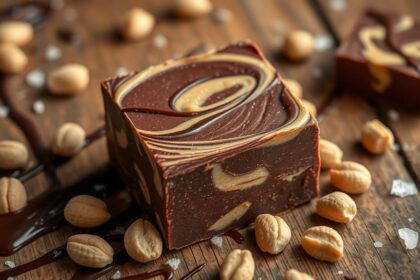
If you’re in the mood for something different, chocolate chip pancakes are a delicious twist on the morning staple. For dessert, chocolate chip brownies or decadent chocolate chip fudge are always crowd-pleasers.
Don’t forget about chocolate chip scones or bars, perfect for an afternoon snack. You might even explore chocolate chip cakes, chocolate chip granola for a healthier option, or chocolate chip bread that makes for a delightful breakfast.
The possibilities are endless when you have chocolate chips on hand!
How to Store Chocolate Chips for Freshness
After whipping up your favorite chocolate chip treats, it’s important to know how to store chocolate chips to keep them fresh for your next baking adventure.
For ideal chocolate chip storage, use airtight containers to prevent moisture control issues. Both dark and milk chocolate do best in a cool, dry place, so consider fridge storage for short-term preservation.
If you want long-term preservation, freezer methods work wonders—just make sure they’re sealed tightly to avoid freezer burn.
These freshness tips will keep your baking essentials in top shape, ready for whenever the craving strikes. Remember, proper storage not only maintains flavor but also guarantees your chocolate chips remain a delightful addition to your recipes!
Troubleshooting Common Baking Measurement Mistakes
Baking can be a precise science, and even the smallest measurement mistake can throw off your delicious creations. To avoid common pitfalls, focus on ingredient accuracy.
Using a kitchen scale guarantees you measure by weight rather than volume, helping you dodge conversion mistakes. Remember that baking errors often stem from inconsistent measuring techniques—like packing flour too tightly.
If you find your recipe isn’t turning out as expected, consider making recipe adjustments based on weight variations. Always double-check your measurements, especially when scaling recipes.
With these measurement tips, you’ll enhance your baking consistency and enjoy more successful outcomes. Don’t let small errors ruin your efforts; being mindful can make a big difference in your baked treats!
Resources for Baking Conversions and Calculators
How can you guarantee your baking measurements are spot on? One of the best ways is to use reliable resources like baking calculators and measurement tools.
Conversion charts are handy for quick reference, helping you switch from cups to grams effortlessly. Investing in ingredient scales guarantees accurate measuring every time, making weight conversions a breeze.
Don’t overlook online resources and measurement guides—they often provide detailed instructions for recipe adjustments. Plus, there are fantastic baking apps that can simplify your process, allowing you to track measurements and conversions on the go.
Conclusion
In baking, accurate measurements are key to delicious results. For example, if you’re making cookies and mistakenly use 300 grams instead of the 340 grams in 2 cups of chocolate chips, your cookies might turn out too sweet or soggy. By understanding conversions and measuring correctly, you can create the perfect treat every time. So, keep those scales handy and enjoy the precision that leads to mouthwatering desserts!