
Last updated: · By Claire Dawson
Cream cheese filling for kolaches is a smooth, slightly tangy mix of softened cream cheese, sugar, an egg yolk, and vanilla, with a little lemon juice for brightness. Spoon about 1 tablespoon into the center of each dough round before baking, and the filling bakes into a creamy, sweet-tart center. This guide covers the ingredients, a step-by-step method, texture fixes, variations, and storage so you can get it right the first time.
Key Takeaways
- Federal rules define cream cheese as a soft, uncured cheese with a minimum milkfat level of 33% by weight.
- Plan on about 1 tablespoon of filling per kolache so the dough seals and the filling bakes evenly.
- Beat the filling on medium-high speed for 2 to 3 minutes until it is light, fluffy, and free of lumps.
- Adding ½ teaspoon each of lemon juice and lemon zest gives the filling a bright tang without making it runny.
- Store leftover filling in an airtight container in the refrigerator and use it within about one week.
What Is Cream Cheese Filling for Kolaches?
Cream cheese filling for kolaches is a sweetened cream cheese mixture that is spooned into the center of a sweet yeast pastry before baking. A kolache is a soft, round roll with an open center, and the filling sits in that well. If you are new to the pastry itself, our guide on what a kolache is and where the recipe comes from explains the basics.
Unlike a fruit filling, cream cheese filling stays creamy and mild. Its tang comes from the cheese itself, and sugar, vanilla, and a small amount of lemon balance that flavor. The egg yolk adds richness and helps the filling hold together in the oven.
Key Ingredients for the Filling
The filling needs only a few ingredients, and each one has a clear job. The cream cheese provides the base and the tang, sugar sweetens it, the yolk adds richness and body, and vanilla adds aroma. Lemon is optional but useful for brightness.
- Softened cream cheese, at true room temperature, for smooth mixing
- Granulated sugar to balance the tang
- One egg yolk for richness and structure
- Vanilla extract for depth
- Lemon juice and lemon zest for a bright, sour-sweet edge
Why Does Cream Cheese Quality Matter?
Federal standards define what can be sold as cream cheese, which helps explain why the product behaves consistently in baking. Under the federal cream cheese standard in 21 CFR 133.133, cream cheese is a soft cheese that is not cured and must contain at least 33% milkfat by weight. Choosing a product that meets that definition gives you the richest, most stable filling.
Texture matters as much as flavor. USDA Agricultural Marketing Service specifications for cream cheese call for a smooth product with no lumps or grittiness and a uniform white to light cream color. If your block looks grainy or yellowed, it is a poor choice for a filling you want to be silky.
Can You Use Low-Fat Cream Cheese?
You can, but expect a looser, less rich filling. Products that fall below the 33% milkfat minimum do not meet the federal cream cheese definition, so they often behave differently when mixed and baked. Full-fat cream cheese gives the best result for this recipe.
Step-by-Step Recipe for the Filling
To make cream cheese filling for kolaches, soften the cream cheese, beat it with sugar, then add the yolk, vanilla, and lemon. The method takes about 10 minutes of active work. The amounts below make enough for roughly 20 to 24 kolaches at 1 tablespoon each.
| Ingredient | Amount | Role in the Filling |
|---|---|---|
| Cream cheese, softened | 8 ounces | Base, tang, and structure |
| Granulated sugar | ⅓ cup | Sweetness that balances the tang |
| Egg yolk | 1 large | Richness and binding |
| Vanilla extract | ½ teaspoon | Aroma and depth |
| Lemon juice | ½ teaspoon | Brightness |
| Lemon zest | ½ teaspoon | Citrus aroma without extra liquid |
- Let the cream cheese sit out until it is soft enough to press with a finger, which usually takes 30 to 60 minutes at room temperature.
- In a stand mixer fitted with a paddle attachment, or a bowl with a hand mixer, beat the cream cheese on medium speed until smooth, scraping the bowl as needed.
- Add the sugar and beat until fully combined and no sugar grains remain on the sides.
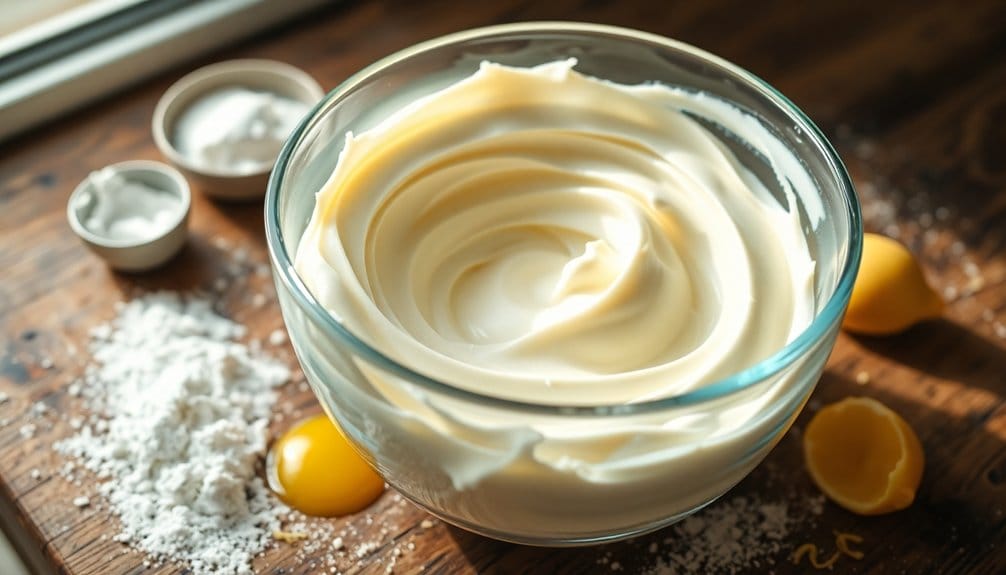
- Add the egg yolk and vanilla, then beat on medium-high speed for 2 to 3 minutes until light and fluffy.
- Mix in the lemon juice and zest, then taste and adjust sugar if you want more sweetness.
- Spoon or pipe about 1 tablespoon of filling into the center of each dough round, leaving the edges clear so they seal.
For the dough, you can follow our authentic kolache bread recipe, which is built around a soft, lightly sweet yeast dough that holds a filling well.
Tips for a Smooth, Fluffy Filling
The most common problems with cream cheese filling are lumps, a runny texture, and filling that leaks during baking. Each has a simple fix. Start with softened cheese, beat it thoroughly, and portion carefully.
How Do You Prevent Lumps?
Lumps almost always come from cream cheese that was too cold or from adding sugar too quickly. Let the block sit out until soft, then beat it alone for a minute before adding anything else. Scrape the bowl often so no cold pockets remain.
Why Does My Filling Leak?
Overfilling is the usual cause. Keep to about 1 tablespoon per kolache, and make sure the dough edges stay free of filling so they can seal around the center. A filling that is too soft can also spread, so chill it for 15 to 20 minutes if it feels loose before you portion it.
- Use a measuring spoon or small scoop so each portion is consistent.
- Keep a damp towel nearby to wipe any filling off the dough edges.
- Chill the filling briefly if it has warmed and turned soft.
Creative Variations to Try
You can change the flavor of cream cheese filling in a few simple ways without losing its character. Most variations add a small amount of flavoring, so keep the cream cheese base the same and adjust one element at a time.
- Lemon-forward: Increase the lemon zest slightly for a sharper, more citrus-driven filling.
- Fruit on top: Add a small spoonful of jam, such as raspberry or apricot, after the cream cheese filling, rather than mixing jam into it, which can thin the texture.
- Nut crunch: Sprinkle chopped pecans or walnuts over the filling as part of a streusel topping for crunch.
- Flavored cream cheese: Use a flavored product if you like, but check the label. Federal rules require a product made by combining cream cheese with other foods to be named ‘cream cheese with’ those ingredients, listed by predominance by weight, so the label tells you what is in it.
For a silkier, custard-style filling, you can try a cooked cream recipe instead. Our guide to vanilla bean pastry cream for tarts and more shows how that filling works in other desserts.

If you like a tangy-sweet frosting on baked goods, the same flavor profile works on cinnamon rolls. See our guide to the best cinnamon roll toppings, including cream cheese icing, for thinner glazes and thicker frostings.
Storage Tips for Leftover Filling
Store leftover cream cheese filling in the refrigerator in an airtight container, and use it within about one week. Because it contains dairy and raw egg yolk, do not leave it at room temperature for long periods. Label the container with the date so you can track it.
Freezing is possible, but cream cheese can turn grainy and watery after thawing. Thaw it slowly in the refrigerator, then beat it again until smooth before using. Freezing works best for filling you plan to bake, since the texture recovers more easily after baking than after eating it cold.
Frequently Asked Questions
Can I Make Cream Cheese Filling Ahead of Time?
Yes. Make the filling up to a week ahead, store it in an airtight container in the refrigerator, and bring it to a soft, spreadable consistency before using. Give it a quick re-beat if it has stiffened or separated. Portion it just before filling the dough so the dough does not warm up and become sticky.
Do I Need the Egg Yolk?
The yolk adds richness and helps the filling hold its shape during baking. Leaving it out will produce a looser, less rich filling that may spread more in the oven. If you omit it, keep the portions small and watch for leaking.
Can I Use This Filling in Other Pastries?
Yes. The same mixture works in danishes, crescent rolls, and similar pastries where a sweet, tangy center is wanted. Use the same portion guidance, and adjust the amount so the pastry can still seal around the filling.
Why Does My Filling Taste Too Sour?
Too much lemon or an unsweetened cream cheese can make the filling sharp. Taste the filling before portioning and add a little more sugar, one teaspoon at a time, until the balance suits you. Reduce the lemon juice next time if you prefer a milder tang.
What Kind of Cream Cheese Should I Buy?
Choose a full-fat block cream cheese, which meets the federal 33% milkfat minimum, instead of a whipped tub or a reduced-fat product. Blocks are firmer and mix more evenly, which helps you get a smooth filling. Check the label to confirm you are buying plain cream cheese rather than a flavored blend.
Final Thoughts on Cream Cheese Filling for Kolaches
Good cream cheese filling for kolaches depends on full-fat cream cheese, a thorough beating, and careful portioning. Start with softened cheese, add sugar and a yolk, and finish with vanilla and a little lemon. Use about 1 tablespoon per kolache, and you will get a sweet, tangy center that bakes up creamy every time.