Last updated: · By Claire Dawson
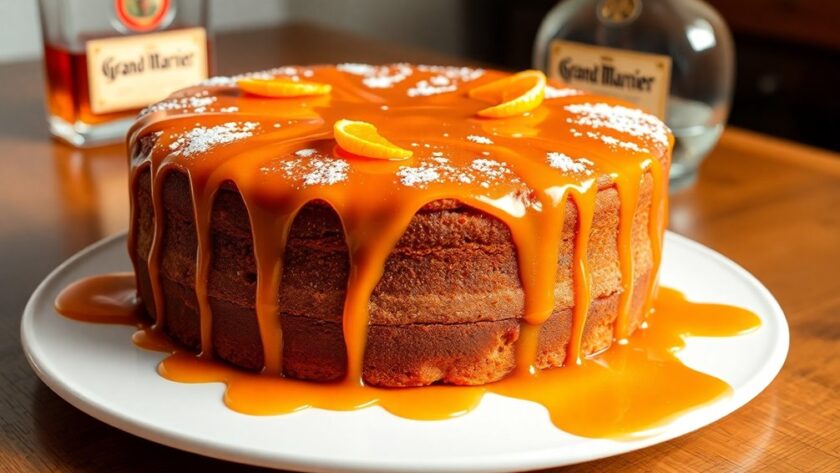
A Grand Marnier cake recipe is a moist bundt cake flavored with the French orange liqueur in the batter, a warm orange syrup, and a powdered sugar glaze. Grand Marnier is a French liqueur made by blending Cognac with distilled bitter orange, so it adds citrus and a subtle brandy depth rather than just sweetness. This guide gives you the full method, explains why each step matters, and covers how to store and serve the cake safely.
Key Takeaways
- Grand Marnier is a French orange liqueur blended from Cognac and bitter orange, so it adds citrus and brandy notes to both the batter and the syrup.
- This recipe uses sour cream in the batter and a warm orange syrup brushed over the cake to keep the crumb moist.
- Bake the cake at 350°F for about 50 to 60 minutes, and check for doneness with a toothpick or skewer.
- According to USDA guidance, pasteurized eggs can be used when a recipe calls for raw or undercooked eggs, such as homemade batter you want to taste.
- Clemson University advises that eggs and egg-rich foods should not stay out of the refrigerator for more than two hours.
What Is Grand Marnier?
Grand Marnier is a French orange liqueur that combines Cognac with the distilled essence of bitter orange. Its flavor is warmer and more complex than a simple triple sec, with notes of orange peel, vanilla, and oak from the brandy base. That depth is why it works in baking: a small amount adds citrus character that plain orange juice cannot provide.
In this recipe, Grand Marnier does three jobs. It flavors the batter, it adds liquid to the syrup that soaks into the warm cake, and it gives the glaze a more layered orange taste. You do not need a large quantity, and too much can make the cake taste harsh.
If you do not keep Grand Marnier at home, another orange-flavored liqueur can stand in, but the taste will be different. Use the same measurement and expect a sweeter, less brandy-forward cake.
Ingredients for Grand Marnier Cake
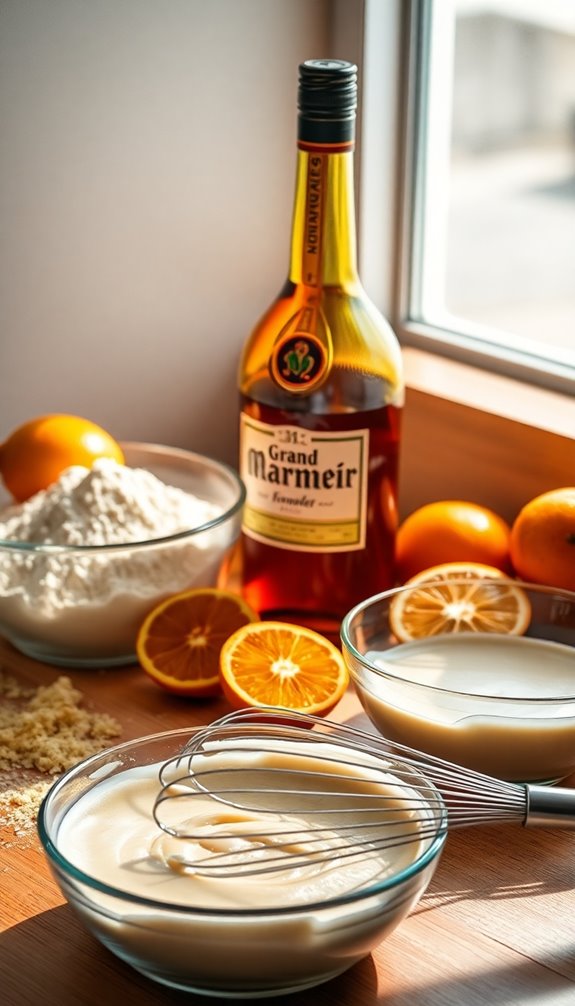
You need about 15 ingredients for the cake, syrup, and glaze, and most are pantry staples. Measure the flour by spooning it into the cup and leveling it off, because scooping directly from the bag can pack in extra flour and produce a dry cake.
- 3 cups (375 g) all-purpose flour
- 1 teaspoon baking powder
- 1/2 teaspoon baking soda
- 1/2 teaspoon kosher salt
- 1 cup (2 sticks, 226 g) unsalted butter, softened to room temperature
- 1 1/2 cups (300 g) granulated sugar
- Zest of 1 large orange
- 4 large eggs, at room temperature
- 1 teaspoon vanilla extract
- 1/2 cup sour cream
- 1/3 cup fresh orange juice
- 1/4 cup Grand Marnier
- For the syrup: 1/3 cup sugar, 1/4 cup orange juice, and 2 tablespoons Grand Marnier
- For the glaze: 1 cup powdered sugar (sifted), 2 tablespoons Grand Marnier, 1 tablespoon heavy cream, and a pinch of orange zest
Sifting the powdered sugar prevents lumps and gives the glaze a smooth, glossy finish. If you need a gluten-free version, a 1-to-1 gluten-free baking flour blend can work, but expect a slightly different crumb and check doneness early.
Step-by-Step Method for the Cake
To make a Grand Marnier cake, bake the batter in a well-greased bundt pan at 350°F for 50 to 60 minutes, then soak the warm cake with syrup. The steps below follow the order that keeps the texture even and the crumb tender.
- Heat the oven to 350°F. Generously butter and flour a 10- to 12-cup bundt pan, making sure to coat the center tube and every ridge.
- Whisk the flour, baking powder, baking soda, and salt in a medium bowl and set aside.
- In a large bowl, beat the softened butter and sugar on medium speed for 3 to 4 minutes until pale and fluffy. Add the orange zest and mix briefly.
- Beat in the eggs one at a time, mixing well after each addition. Add the vanilla.
- In a measuring cup, stir together the sour cream, orange juice, and 1/4 cup Grand Marnier.
- On low speed, add the flour mixture in three additions, alternating with the liquid mixture and starting and ending with flour. Mix only until no dry streaks remain.
- Spread the batter evenly in the pan and tap it gently on the counter to release large air bubbles.
- Bake for 50 to 60 minutes, rotating the pan halfway through if your oven browns unevenly, until a toothpick inserted near the center comes out clean.
- Cool the cake in the pan for 10 minutes, then invert it onto a wire rack.
How Do You Know When the Cake Is Done?
The cake is done when it is deep golden, pulls slightly away from the sides of the pan, and a toothpick comes out with moist crumbs but no wet batter. Start checking at 50 minutes, since oven temperatures vary. Overbaking is the most common reason bundt cakes turn dry.
How to Make the Orange Syrup and Glaze
The orange syrup is brushed onto the warm cake, and the glaze is spread over the cake once it has cooled. Applying each at the right temperature is what gives you both moisture and a clean, glossy finish.
To make the syrup, combine 1/3 cup sugar, 1/4 cup orange juice, and 2 tablespoons Grand Marnier in a small saucepan. Heat over medium heat for 2 to 3 minutes, stirring until the sugar dissolves, then remove from the heat.
- Brush half of the warm syrup evenly over the cake while it is still in the pan, right after removing it from the oven.
- After inverting the cake onto the rack or serving plate, brush the remaining syrup over the top and sides.
- Once the cake is completely cool, whisk the powdered sugar, Grand Marnier, and cream until smooth. Add more cream a teaspoon at a time if the glaze is too thick, or more powdered sugar if it is too thin.
- Drizzle the glaze over the cooled cake and finish with a light sprinkle of orange zest.
Why This Cake Stays Moist
Sour cream, orange juice, and the warm syrup work together to keep the crumb tender for several days. Sour cream adds fat and acidity, which softens gluten and produces a fine, tender texture. The syrup adds moisture directly to the cake after baking.
Mixing technique matters as much as ingredients. Overmixing after the flour goes in develops gluten and can make the cake tough, so stop mixing as soon as the batter looks uniform. Room-temperature eggs and butter also help the batter emulsify, which gives a more even crumb.
Some alcohol may remain in the cake after baking, and the amount depends on how long the cake bakes and how much liqueur you use. Most home bakers choose this recipe for the flavor more than for any effect on texture.
Food Safety With Eggs in Baking
A fully baked Grand Marnier cake is cooked, but the eggs in raw batter and glazes need extra care. The U.S. Food and Drug Administration warns that tasting raw cake batter made with raw eggs is risky, and it recommends buying pasteurized eggs as a safer option in recipes like this. In the FDA guidance on dairy and eggs for pregnant women and others at higher risk, the same advice applies to anyone who wants to taste the batter.
Pasteurization is a simple way to reduce that risk. According to the USDA Food Safety and Inspection Service, pasteurization destroys Salmonella in egg products without cooking the eggs or changing their color, flavor, nutritional value, or use, so pasteurized eggs can replace regular eggs in recipes that call for raw eggs. If you plan to make a cream-based glaze or taste the batter, pasteurized eggs are the safer choice.
The USDA also advises that recipes with raw eggs should be cooked immediately or refrigerated and cooked within 24 hours, as explained in its guide to handling shell eggs from farm to table. Clemson University Extension adds a time limit for egg-rich foods in its safe handling of eggs fact sheet, which says that eggs and egg-rich foods should not be kept out of the refrigerator for more than two hours.
Storage and Make-Ahead Tips
Store the cake covered at room temperature for up to two days if it is unglazed, and refrigerate it if you have used a cream glaze or the cake will sit out longer than two hours. Freezing keeps the cake for months, so it is a good option for make-ahead baking.
| Storage method | Suggested timing | Notes |
|---|---|---|
| Room temperature, covered, unglazed | Up to 2 days | Keep away from heat and direct sun. Do not leave out more than two hours if the cake has a cream glaze. |
| Refrigerator, covered | Several days after glazing | Follow the two-hour rule for egg-rich foods. Bring the cake to room temperature before serving. |
| Freezer, wrapped well | Up to 3 months | Wrap in plastic wrap and foil, then thaw overnight in the refrigerator. |
For make-ahead planning, bake the cake one day ahead and glaze it just before serving. The glaze stays fresh and glossy, while the cake keeps its moisture well overnight.
What to Serve With Grand Marnier Cake
Serve Grand Marnier cake with something creamy or lightly sweet to balance its citrus and brandy notes. Vanilla ice cream, lightly whipped cream, or a scoop of mascarpone all work well, because the cool, rich topping contrasts with the warm orange syrup.
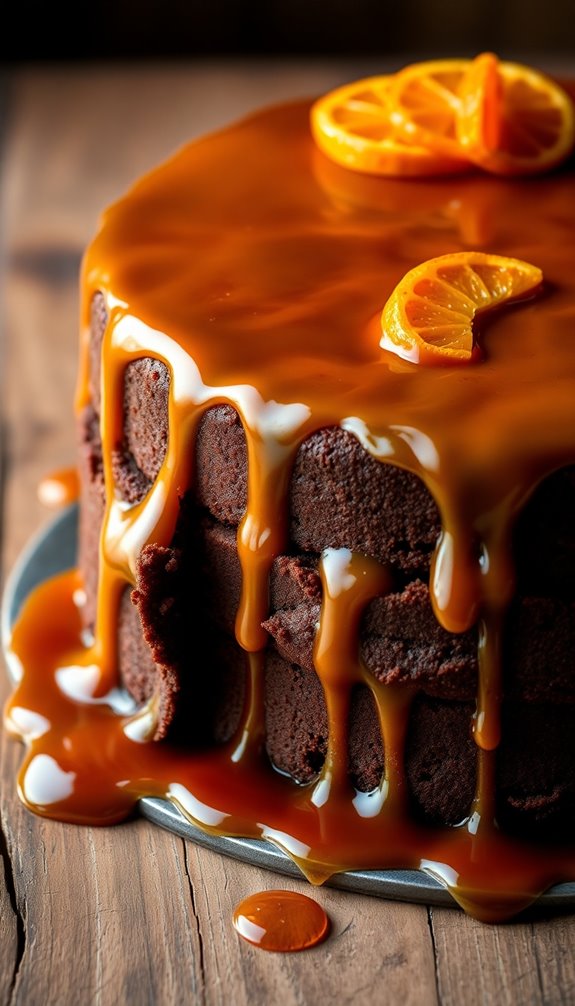
For a more formal presentation, garnish each slice with fresh orange segments or candied orange peel. A cup of coffee or espresso also pairs well, since its bitterness balances the sweetness of the glaze.
Variations on the Recipe
You can adapt this batter for cupcakes, chocolate cake, or a simpler vanilla base. Each change affects baking time and texture, so adjust carefully.
Can You Make Grand Marnier Cupcakes?
Yes. Fill lined cupcake pans about two-thirds full and bake them for a shorter time, checking for doneness early. Our guide to turning any cake recipe into cupcakes explains the timing and pan adjustments.
Can You Add Chocolate to Grand Marnier Cake?
Yes. Replace about 1/4 cup of the flour with unsweetened cocoa powder, and pair the orange syrup with a chocolate glaze for a flavor combination similar to orange chocolate cakes. For a richer European-style chocolate cake, see this Viennese Sachertorte recipe for technique ideas.
Can You Use a Simpler Cake Base?
If you want a lighter cake without the liqueur in the batter, you can use a plain vanilla cake as the base and keep the orange syrup. Our Ina Garten vanilla cake recipe is a useful reference for a classic crumb.
Drinks to Pair With Grand Marnier Cake
The best drink pairings echo the orange and brandy notes without overwhelming the cake. Coffee, tea, and dessert wine are reliable choices, and non-alcoholic options work well for guests who skip alcohol.
- Coffee or espresso, which contrasts with the sweet glaze.
- Orange juice or sparkling water with a twist of orange, for a bright non-alcoholic pairing.
- Dessert wine or a sweet sparkling wine, which complements the citrus.
- A Sidecar cocktail, which uses Cognac, orange liqueur, and lemon juice and shares flavors with the cake.
Frequently Asked Questions
Can I make Grand Marnier cake without alcohol?
You can replace the Grand Marnier with fresh orange juice and a splash of orange extract, though the flavor will be simpler. Use the same total amount of liquid so the batter keeps its texture. Label the cake clearly if you serve it to guests who avoid alcohol.
Can I substitute another orange liqueur?
Yes, a similar orange liqueur can replace Grand Marnier in both the batter and the syrup. The taste will change, since Grand Marnier has a Cognac base that gives it more depth. Start with the same measurement and adjust sugar if the substitute is sweeter.
Is it safe to taste the batter?
Tasting raw batter made with raw eggs carries a risk of foodborne illness, and the FDA advises against it. If you want to taste the batter, use pasteurized eggs. Keep the batter refrigerated until you bake it, and do not leave it out for long periods.
Can I make Grand Marnier cake ahead of time?
Yes. Bake the cake a day ahead, wrap it well, and store it at room temperature if it is unglazed. Add the glaze on the day you serve it for the best appearance. For longer storage, freeze the cake and thaw it in the refrigerator overnight.
Conclusion
A Grand Marnier cake recipe gives you a moist, citrus-forward bundt that works for birthdays, holidays, and dinner parties. Use sour cream and a warm orange syrup for moisture, sift the powdered sugar for a smooth glaze, and follow the egg safety and storage guidance to keep the cake safe. Once you have mastered this version, you can adapt it into cupcakes or chocolate cake while keeping the same orange flavor.