Last updated: · By Claire Dawson
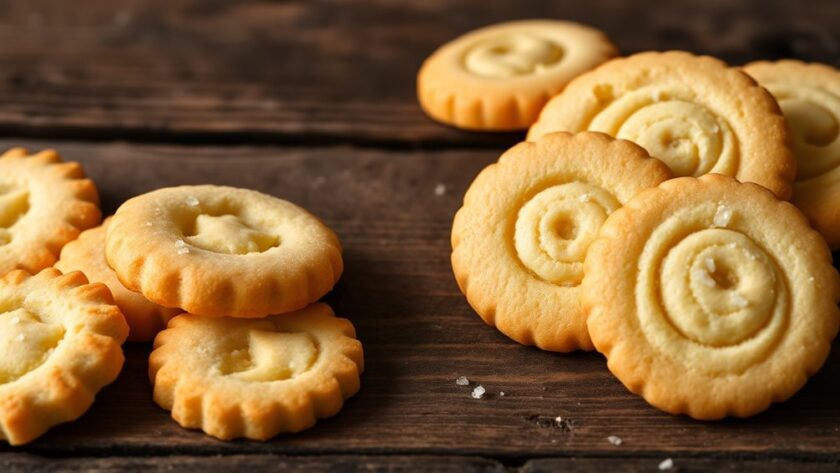
Shortbread and butter cookies both get their flavor from butter, but they are different cookies. Shortbread is the crumblier, richer option. It contains no eggs, less sugar, and the highest butter-to-flour ratio of three common cookie types, which gives it a sandy, tender bite. Butter cookies are firmer and sweeter, and their dough usually includes eggs, which makes it easier to roll, cut and pipe.
If you are weighing shortbread vs butter cookies for a holiday tin, a bake sale or a quick weeknight batch, the decision usually comes down to texture, sweetness and how much effort the dough takes. This guide compares the two on ingredients, flavor, baking method and history, then gives you a simple way to choose.
Key Takeaways
- Shortbread is typically made without eggs, while butter cookies usually include them, which makes butter cookie dough more pliable and sturdy.
- Shortbread has the highest butter-to-flour ratio of three common cookie types, with butter cookies coming next.
- Shortbread’s crumbly texture comes largely from its high fat content, which comes from butter.
- In 1921 the British government required that a product sold as shortbread get at least 51% of its fat from real butter.
- Shortbread is usually pressed or rolled and baked at a low temperature, while butter cookies are rolled, cut or piped and baked at a moderate temperature until the edges turn golden.
What Is the Main Difference Between Shortbread and Butter Cookies?
The main difference is the dough. Shortbread is built on a higher proportion of butter, usually with no eggs and less sugar, which gives it a sandy, crumbly bite. Butter cookies use more flour and sugar and typically include eggs, which makes them firmer, sweeter and easier to shape.
| Feature | Shortbread | Butter cookies |
|---|---|---|
| Eggs | Usually none | Typically included |
| Butter-to-flour ratio | Highest of the three common types | Next highest, with more flour added |
| Sugar | Less, so milder in sweetness | More, so sweeter |
| Texture | Sandy, crumbly, melts in the mouth | Firm, sturdy, slightly crisp |
| Shaping | Pressed into a pan or rolled and cut | Rolled, cut or piped |
| Typical oven temperature | Low, often 300°F to 325°F | Moderate, often 325°F to 350°F |
| Best for | Tea time, gift wedges, simple buttery flavor | Decorating, cut-outs, cookie tins |
How Do the Ingredients in Shortbread and Butter Cookies Differ?
Shortbread uses a higher ratio of butter to flour and generally skips eggs, while butter cookies use more flour and often add eggs for structure. These choices shape almost everything else about the cookie, from how it feels in your mouth to how well it holds a shape.
Why Does Shortbread Have No Eggs?
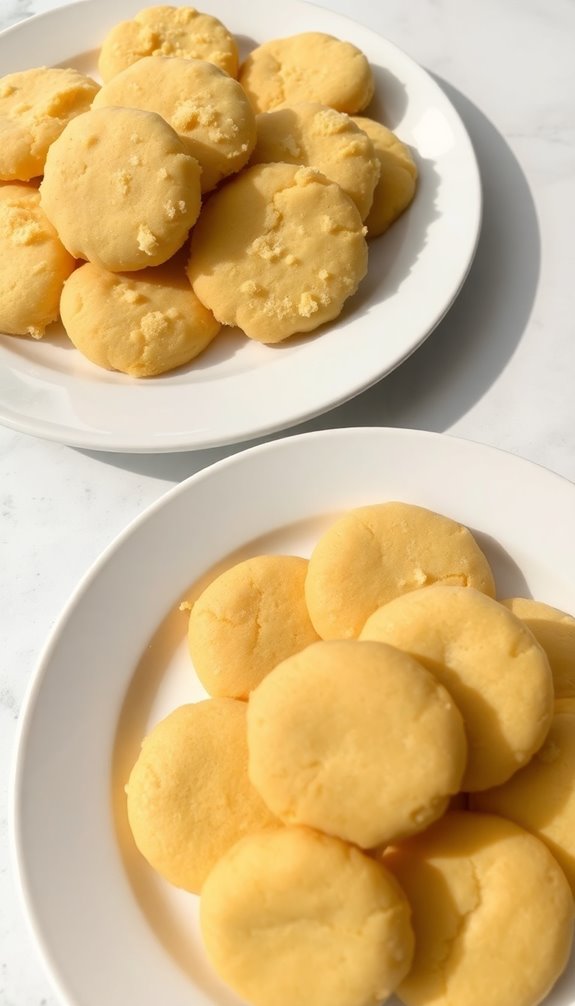
Traditional shortbread is made with just butter, sugar and flour, so the fat does most of the work. According to The Daily Meal’s comparison of butter cookies and shortbread, shortbread is made without eggs, while butter cookies typically include them, and the eggs make butter cookie dough more pliable and sturdy. That is why butter cookie dough is easier to roll, cut and pipe, while shortbread dough tends to be more fragile.
How Much Butter Goes Into Each Cookie?
Shortbread has the highest butter-to-flour ratio of these three cookie types, while butter cookies have the next highest amount of butter with more flour added. That comparison comes from The Nibble’s FOOD 101 guide to butter cookies, sugar cookies and shortbread. A classic shortbread guideline is roughly 1 part sugar, 2 parts butter and 3 parts flour by weight, which is why the cookie tastes so rich and holds together so tenderly.
How Does Shortbread Differ From Sugar Cookies?
Shortbread and sugar cookies are often confused, but shortbread is leaner on sugar and richer in butter. For a side-by-side breakdown, read our guide to shortbread versus sugar cookie differences. If you are choosing a cookie for a particular recipe, that comparison will help you match the dough to the result you want.
Do Shortbread and Butter Cookies Taste and Feel Different?
Yes. Shortbread tastes buttery and mildly sweet with a sandy, crumbly texture, while butter cookies taste sweeter with a firmer, sturdier bite. The difference comes from fat, sugar and eggs working together in the dough.
Why Is Shortbread So Crumbly?
Shortbread’s crumbly texture is attributed to its high fat content, which comes from butter, according to Wikipedia’s entry on shortbread. Butter coats the flour and limits gluten development, so the cookie breaks apart rather than chewing. Overmixing can toughen the dough, so mix only until it just comes together.
Are Butter Cookies Sweeter?
Usually, yes. Butter cookies contain more sugar relative to their butter and flour, so they taste sweeter on their own. If you want a milder cookie to pair with coffee or tea, shortbread is the better fit. If you want a cookie that tastes like a treat by itself, butter cookies usually win.
How Do the Baking Methods Differ for Shortbread and Butter Cookies?
Shortbread is usually baked low in a pan or as thin cut-outs until pale and just set, while butter cookies are shaped individually and baked at a moderate temperature until the edges turn golden. The shaping step is the biggest practical difference, because it determines how much work the dough needs and how it behaves in the oven.
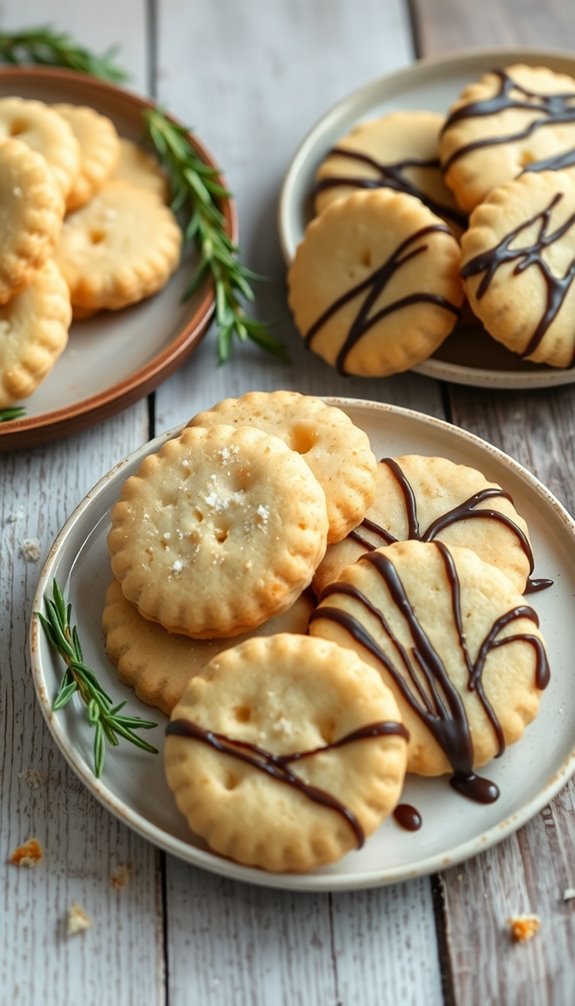
How Do You Bake Classic Shortbread?
- Work the softened butter into the sugar, then mix in the flour until a soft dough forms.
- Press the dough evenly into an ungreased pan about 1/2 inch thick, or roll it to about 1/4 inch and cut shapes.
- Prick the surface with a fork and chill the dough until firm, about 30 minutes.
- Bake at about 300°F to 325°F until pale golden and set. If you pressed the dough into a pan, cut it into pieces while it is still warm.
- Cool completely before storing so the cookies firm up and hold their shape.
How Do You Bake Butter Cookies?
- Cream the butter and sugar until smooth, then beat in the egg and any flavoring.
- Add the dry ingredients and mix until just combined. Chill the dough if it is too soft to roll or pipe.
- Roll and cut the dough into shapes, or pipe it through a press or bag onto the baking sheet.
- Bake at about 325°F to 350°F until the edges are golden. Pull them when the centers still look slightly soft, since they firm up as they cool.
Where Did Shortbread and Butter Cookies Come From?
Shortbread has a documented history that stretches back to medieval Europe, while the origins of butter cookies are less clearly recorded. Shortbread’s modern form took shape over centuries, and butter cookies became popular later, especially as holiday cookies.
How Did Shortbread Develop Over Time?
Shortbread is commonly traced to medieval Europe, where early versions were a simple baked good made from leftover bread dough. Over time the recipe changed as yeast was removed and more butter was added, producing the crumbly cookie known today. It became closely associated with Scotland and with Christmas and New Year celebrations. Its link to Mary, Queen of Scots is often repeated, but it is more legend than documented fact.
The rules around shortbread are also old. The Nibble’s history of shortbread notes that in 1921 the British government set a rule that a product sold as shortbread must get at least 51% of its fat from real butter. That standard helps explain why real shortbread is so closely tied to butter.
Where Did Butter Cookies Come From?
Butter cookies have less documented origins than shortbread. They became especially popular as holiday cookies, and many people associate them with the blue tins from the Danish brand Royal Dansk. Their sturdy dough made them well suited to shapes and decorating, which helped them stay a staple in holiday baking.
Which Cookie Should You Choose?
Choose shortbread if you want a tender, crumbly cookie with a simple buttery flavor, and choose butter cookies if you want a sweeter, sturdier cookie for shapes or decorations. Your occasion and skill level should guide the choice as much as your taste.
- Pick shortbread for afternoon tea, gift wedges or a cookie that pairs well with coffee.
- Pick butter cookies for cut-outs, piped designs or holiday cookie tins.
- Pick shortbread if you want fewer ingredients and no eggs.
- Pick butter cookies if your dough needs to hold fine detail.
- Pick shortbread if you are short on time, since the dough can be pressed into a pan with no rolling.
If you would rather buy than bake, compare our roundup of the best shortbread cookies to buy and DIY options to try. For a longer breakdown of butter cookies versus shortbread differences, read our full comparison of butter cookies and shortbread.
Frequently Asked Questions
Is Shortbread the Same as Butter Cookies?
No. Shortbread is typically eggless, has a higher butter-to-flour ratio and is crumblier, while butter cookies usually include eggs and are firmer and sweeter. Both rely on butter for flavor, which is why people sometimes mix them up.
Can You Substitute Shortbread for Butter Cookies?
Sometimes. Shortbread works for simple cut-outs if you chill the dough well, but it is more fragile and will not hold fine piped details or tall shapes as cleanly. For decorating, butter cookie dough is usually the better choice.
Why Do Shortbread Cookies Crumble So Easily?
Shortbread is meant to be crumbly because of its high butter content. If yours falls apart too easily, it may be underbaked or handled too roughly while still warm. Chill the dough before cutting and let the cookies cool completely before moving them.
Do Butter Cookies Need Eggs?
Most traditional recipes include eggs, which make the dough more pliable and sturdy. Eggless versions exist, but they tend to behave more like shortbread, with a shorter and more crumbly texture.
How Long Do Shortbread Cookies Last?
Store shortbread in an airtight container at room temperature and keep it away from heat and moisture. For more detail on freshness and storage, read our guide to how long shortbread cookies last and how to store them.
Conclusion
Shortbread vs butter cookies is ultimately a choice between a crumbly, eggless, lightly sweet cookie and a firmer, sweeter one that holds detail well. Shortbread gives you a simple buttery bite that suits tea and gifting, while butter cookies work best for cut-outs, decorating and holiday tins. Use the table and checklist above to match the cookie to your occasion, then bake the one that fits.