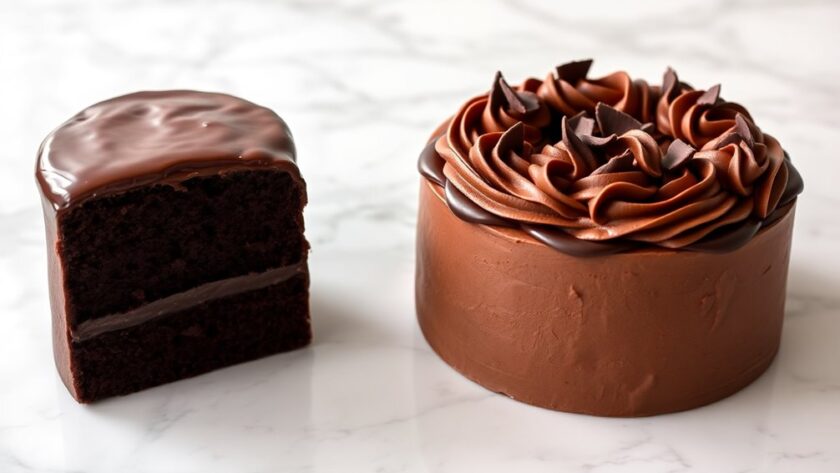
Devil’s Food Cake and Classic Chocolate Cake both satisfy your chocolate cravings, but they have distinct differences. Devil’s Food is rich and dense, often using Dutch-processed cocoa, while Classic Chocolate Cake is lighter with a milder flavor. The textures vary too, with Devil’s Food being fudgy and moist, and Classic Chocolate Cake being airy. Frosting choices also differ, enhancing their unique profiles. Keep exploring to discover more about what makes each cake special!
What Is Devil’s Food Cake?
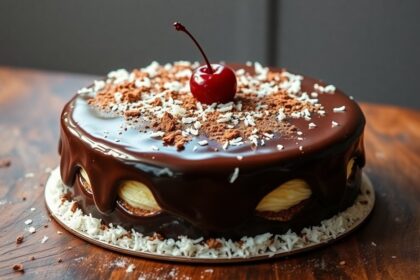
When you plunge into the world of desserts, you might come across Devil’s Food Cake, a rich and moist chocolate cake that’s as indulgent as its name suggests.
Its devil’s history adds an intriguing twist; the cake emerged in the late 19th century, boasting a darker, denser texture than its counterparts. You’ll find that its origins trace back to a time when bakers experimented with cocoa and baking soda, creating a cake that exudes deep chocolate flavor. Unlike lighter cakes, Devil’s Food Cake often incorporates gluten-free flour or coffee, enhancing its richness. Additionally, the cake can be paired with gluten-free cookies for a diverse dessert experience that satisfies various palates.
This cake’s allure lies not just in taste but also in the mystery of its name, which evokes the idea of indulgent temptation. Additionally, the cake’s evolution reflects the diverse culinary roots found in desserts like the traditional Italian Cassata.
What Is Classic Chocolate Cake?
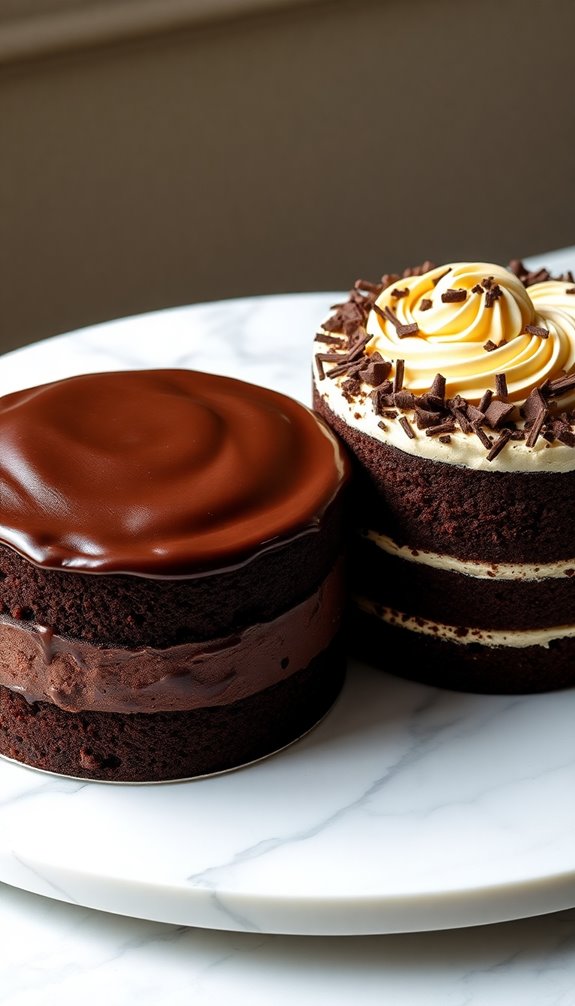
Classic chocolate cake is a beloved dessert that embodies the essence of simplicity and nostalgia. It’s a staple in baking history, cherished for its rich flavor and moist texture.
When you think of classic chocolate cake, you’re likely to recall:
- Deep, rich chocolate flavor
- Soft, tender crumb
- A velvety frosting
- Versatile serving options
- Timeless appeal for all occasions
These classic flavors create a comforting experience that resonates with many. Whether it’s for a birthday or a casual gathering, this cake remains a crowd-pleaser. Additionally, the cake’s enduring status mirrors the iconic treat of chocolate chip cookies, which also symbolize comfort and tradition. The straightforward recipe allows both novice and experienced bakers to create a delicious treat that feels special, often enhanced by using firm baking apples in complementary desserts.
Plus, its straightforward recipe allows both novice and experienced bakers to create a delicious treat that feels special. The use of Dutch-processed cocoa powder enhances the cake’s chocolate flavor, making it even more irresistible.
Key Ingredients in Devil’s Food Cake
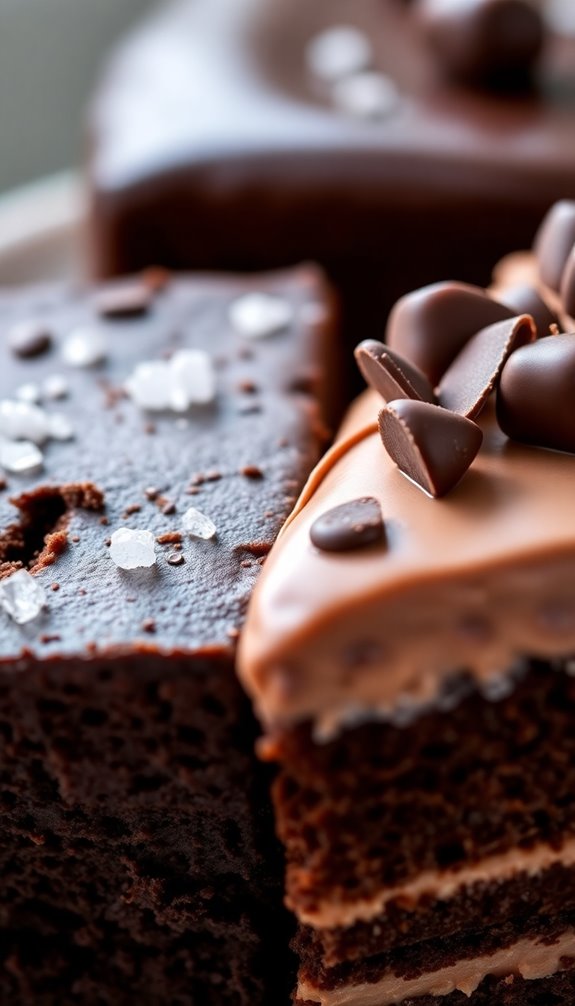
When it comes to Devil’s Food cake, the type of cocoa you choose makes a big difference in flavor and color. You’ll also notice that the fat content varies, which contributes to its rich, moist texture. Notably, using browned butter can enhance the cake’s overall flavor profile. Let’s explore how these key ingredients set Devil’s Food apart from classic chocolate cake. Additionally, the inclusion of cocoa powder enhances the cake’s deep richness, distinguishing it from traditional chocolate desserts. The use of whole, unprocessed ingredients further elevates the quality and taste of the cake.
Cocoa Type Differences
While both Devil’s Food and chocolate cake share a rich chocolate flavor, the type of cocoa used in Devil’s Food cake sets it apart. This cake often uses Dutch-processed cocoa, which has a unique alkalization process that enhances its flavor intensity.
Here are key differences in cocoa types:
- Cocoa origins: Devil’s Food often features cocoa from specific regions, contributing to its distinct taste.
- Flavor profile: Dutch cocoa offers a milder, smoother flavor.
- Color: The alkalization gives Devil’s Food a darker hue.
- Acidity: The cocoa’s reduced acidity balances sweetness.
- Texture: The type of cocoa affects the cake’s overall moisture and crumb.
These factors collectively create the signature experience of Devil’s Food cake, much like the cream cheese swirl that adds richness to red velvet desserts.
Fat Content Variations
Fat content plays an essential role in defining the texture and richness of Devil’s Food cake. Unlike traditional chocolate cakes, Devil’s Food often uses a combination of fat sources, such as butter and oil, which contributes to its moistness and dense crumb.
The higher fat content enhances the cake’s fudginess, making each bite indulgent. However, it’s important to contemplate the health impacts of these fat sources. While butter adds flavor, oils can provide a lighter texture.
If you’re looking for a healthier twist, you might choose alternatives like applesauce or Greek yogurt, which can reduce overall fat without sacrificing moisture. Balancing flavor and health can lead to a deliciously satisfying Devil’s Food cake.
Key Ingredients in Classic Chocolate Cake
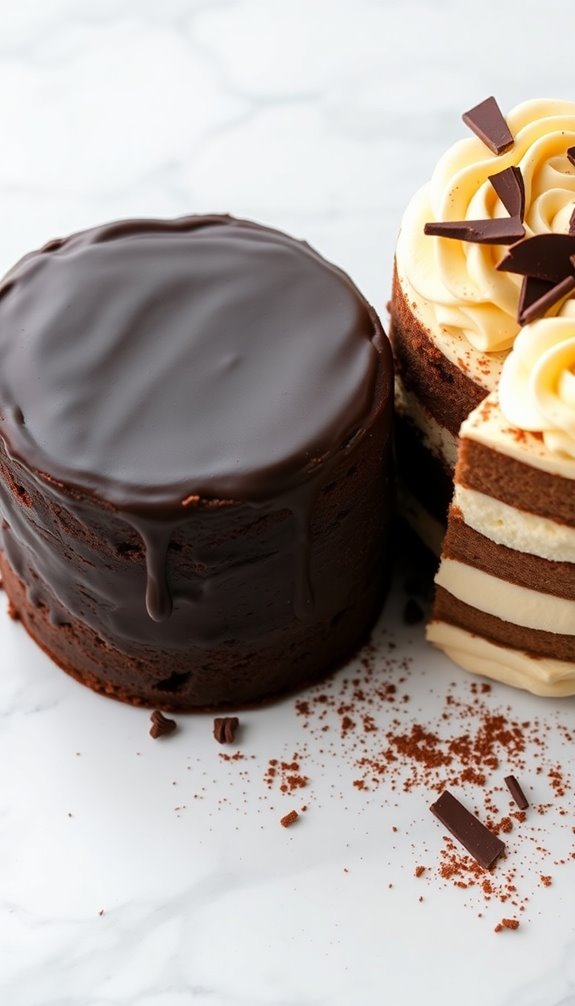
When making a classic chocolate cake, the quality of your cocoa powder plays a vital role in flavor.
You’ll also want to take into account different sugar variations, as they can impact sweetness and texture.
Finally, the fat content you choose can make all the difference in achieving that moist, rich crumb you crave.
Cocoa Powder Quality
- Cocoa sourcing: The origin affects taste; beans from distinct regions yield unique notes.
- Processing method: Dutch-processed cocoa offers a milder flavor, while natural cocoa retains intense bitterness.
- Flavor intensity: Higher cocoa percentages provide a deeper chocolate experience.
- Freshness: Older cocoa loses potency, so always check the expiration date.
- Texture: Fine cocoa powder blends smoothly into your batter, ensuring a uniform cake.
Sugar Variations
While sugar might seem like a simple ingredient, its variations can considerably impact the flavor and texture of your chocolate cake. Different sugar types, like granulated, brown, and powdered sugar, each bring unique qualities to the mix.
Granulated sugar provides a straightforward sweetness, while brown sugar adds moisture and a hint of caramel flavor. If you opt for powdered sugar, it can create a finer crumb, making your cake incredibly light.
Understanding sweetness levels is essential too; using less sweet sugar can enhance the rich cocoa notes. You can even experiment with alternatives like coconut sugar or honey for distinct flavors.
Each choice shapes your cake, turning a simple dessert into a delightful experience.
Fat Content Differences
Sugar variations play an important role in your chocolate cake, but fat content is just as crucial in shaping texture and flavor.
The choice of fat sources can greatly influence your cake’s moistness and richness. Here’s what you need to reflect on:
- Butter: Adds flavor and a tender crumb.
- Oil: Creates a moist texture and prolongs freshness.
- Shortening: Offers stability and a lighter bite.
- Sour Cream or Yogurt: Enhances moisture and tanginess.
- Health Considerations: Opt for healthier fats like avocado oil or applesauce for a lighter cake.
Balancing these fat sources not only impacts taste but also your cake’s overall health profile.
Choose wisely to achieve your desired outcome!
How Do Flavor Profiles Differ Between the Two?
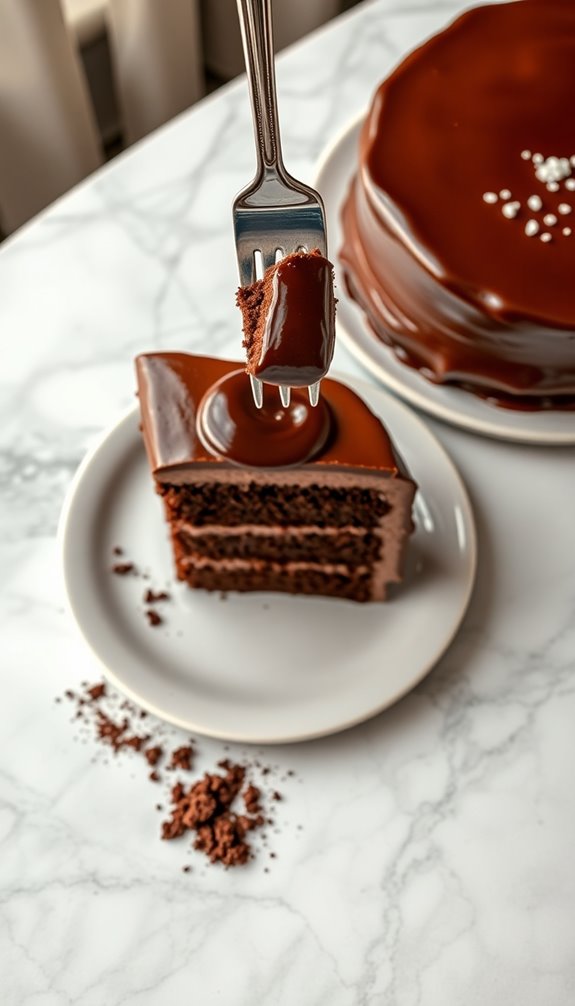
When you compare Devil’s Food cake to traditional chocolate cake, you’ll notice distinct flavor profiles that set them apart.
Devil’s Food boasts a rich, intense chocolate flavor, often enhanced by the use of dark cocoa. This results in a bold flavor intensity that can overwhelm if not balanced carefully.
Devil’s Food cake features a deep, intense chocolate flavor, elevated by dark cocoa, creating a bold taste that requires careful balance.
On the other hand, traditional chocolate cake usually has a milder, more subtle chocolate taste, allowing for a harmonious taste balance with its sweetness. The sweetness in chocolate cake complements the cocoa flavor without overshadowing it, creating a delightful combination.
If you’re a fan of deep, robust chocolate, Devil’s Food is your choice, but if you prefer a lighter, sweeter experience, traditional chocolate cake will satisfy your cravings.
Texture Comparisons: Devil’s Food vs. Chocolate Cake
When you bite into a slice of Devil’s Food cake, you’ll notice its rich moisture and dense crumb structure.
In contrast, chocolate cake often offers a lighter, airier texture.
Let’s explore how these differences in moisture, crumb, and density set the two cakes apart.
Moisture Levels Comparison
Although both Devil’s Food and chocolate cake share a rich chocolate flavor, their moisture levels can considerably affect their texture. Devil’s Food cake is typically denser and moister, while chocolate cake often has a lighter, fluffier consistency.
Here’s how moisture retention plays a role in texture impact:
- Devil’s Food tends to absorb moisture better, resulting in a fudgy texture.
- Chocolate cake usually has a more airy crumb due to less moisture.
- The ingredients used can affect how each cake retains moisture.
- Baking time and temperature also influence moisture levels.
- Frosting choices can enhance or diminish perceived moisture.
Understanding these differences can help you choose the right cake for your next celebration or craving!
Crumb Structure Differences
While both Devil’s Food and chocolate cake offer delightful chocolatey experiences, their crumb structures reveal distinct textures.
Devil’s Food cake boasts a rich, velvety crumb that’s often described as moist and dense, thanks to its unique blend of cocoa and sometimes the use of oil. This results in a soft, tender bite that’s almost fudgy.
On the other hand, traditional chocolate cake typically features a lighter, more open crumb structure. Its texture analysis shows a balance between tenderness and slight springiness, making it ideal for layering with frosting.
When you slice into either cake, you’ll notice these crumb characteristics play a significant role in your overall tasting experience, influencing not just flavor but also how the cake feels in your mouth.
Density and Airiness
The distinct crumb structures of Devil’s Food and chocolate cake lead to notable differences in density and airiness.
Devil’s Food tends to be denser and moister, while chocolate cake is often lighter and fluffier. This contrast arises from variations in cake leavening and ingredient ratios.
Consider these factors:
- Cake leavening: Devil’s Food often uses baking soda for a denser texture.
- Ingredient ratios: More fat in Devil’s Food contributes to its richness.
- Flavor enhancements: Chocolate cake may incorporate vanilla for added lightness.
- Baking temperatures: Adjusting temperatures can impact the final texture.
- Serving suggestions: Pair Devil’s Food with rich frostings, while chocolate cake shines with lighter toppings.
Understanding these elements can elevate your baking game!
Baking Techniques for Devil’s Food Cake
Mastering the baking techniques for a Devil’s Food Cake can elevate your dessert game to new heights.
Start by using the right baking methods, like creaming butter and sugar until fluffy, which adds air for a light texture. Pay attention to ingredient ratios; a higher cocoa content gives that rich flavor.
When mixing, alternate adding dry and wet ingredients to prevent clumping and guarantee an even batter. Don’t overmix—just combine until smooth.
Your oven temperature matters too; a moderate heat will help the cake rise properly without burning.
Finally, let it cool completely before frosting to maintain that perfect texture.
Follow these tips, and you’ll achieve a decadent Devil’s Food Cake every time!
Baking Techniques for Classic Chocolate Cake
To create a classic chocolate cake that’s both moist and rich, start by gathering quality ingredients and preheating your oven to the right temperature.
Then, focus on these essential baking methods and mixing techniques:
- Sift dry ingredients for a lighter texture.
- Cream butter and sugar until fluffy for added moisture.
- Incorporate eggs one at a time to guarantee even mixing.
- Alternate adding wet and dry ingredients, keeping the batter smooth.
- Don’t overmix; a gentle hand helps maintain that desired tenderness.
Ideal Frosting Pairings for Each Cake
Choosing the right frosting can elevate your cake to new heights, complementing its rich flavors perfectly. For Devil’s Food Cake, consider pairing it with cream cheese frosting or a classic chocolate ganache. The tangy cream cheese balances the cake’s richness, while ganache adds a luxurious touch.
On the other hand, chocolate cake thrives with lighter frosting flavors. A fluffy vanilla buttercream or a whipped chocolate mousse can enhance its taste without overpowering it.
For a twist, try a raspberry or orange zest frosting; their fruity notes offer a delightful contrast.
When making your frosting choices, think about these pairing suggestions to guarantee each bite is a harmonious experience. Enjoy experimenting with different combinations!
Popular Variations of Devil’s Food Cake
When it comes to Devil’s Food Cake, you’ll find a delightful array of popular variations that can elevate its classic charm.
These devil’s food variations often incorporate unique flavorings, making each bite unforgettable. Here are some creative twists you might want to try:
- Espresso Infusion: Add espresso powder for a rich, mocha flavor.
- Peppermint Twist: Mix in peppermint extract for a rejuvenating zing.
- Coconut Delight: Fold in coconut flakes for a tropical touch.
- Spicy Kick: Incorporate cayenne pepper or cinnamon for a surprising heat.
- Nutty Crunch: Blend in crushed nuts like walnuts or pecans for texture.
Experimenting with these variations can take your Devil’s Food Cake to new heights, making it a standout dessert for any occasion!
Popular Variations of Classic Chocolate Cake
While classic chocolate cake is a beloved dessert, there are countless variations that can elevate its flavor and appeal. You can experiment with different frosting flavors like raspberry or salted caramel, or try unique filling options such as mousse or fruit preserves.
Consider various cake sizes to suit your gathering, and play with presentation styles, like tiered cakes or individual servings. Flavor pairings with coffee or mint can add an exciting twist, while ingredient substitutions, like using almond flour, can cater to dietary needs.
Don’t forget baking tips, like adjusting baking times for different sizes. Finally, think about serving temperatures; a warm slice with ice cream can create a delightful contrast. Let your creativity shine!
Choosing the Right Cake for Your Occasion
What makes a cake the perfect fit for your event? It’s all about matching flavors and themes to create a memorable experience.
Whether you’re celebrating a birthday or a wedding, the right cake can elevate your occasion. Here are some cake serving suggestions to contemplate:
- Birthday: Choose a fun, colorful cake that reflects the personality of the celebrant.
- Wedding: Opt for an elegant multi-tiered cake that complements your theme and colors.
- Anniversary: A rich chocolate cake can symbolize love and indulgence.
- Holiday: Go for festive flavors like pumpkin or peppermint to enhance the seasonal vibe.
- Corporate: A classic vanilla or red velvet cake suits professional gatherings perfectly.
Think about your occasion themes, and let that guide your cake choice!
Conclusion
In the end, whether you’re reaching for devil’s food or classic chocolate cake, each offers a unique treat for your taste buds. Did you know that nearly 50% of people prefer chocolate-flavored desserts? With its rich, moist texture and intense cocoa flavor, devil’s food might just steal the spotlight at your next celebration. But don’t count out classic chocolate cake—it’s a timeless favorite. Choose the one that speaks to you, and enjoy every bite!