Last updated: · By Claire Dawson
Trifles and layered desserts are built in clear glasses or bowls, with alternating layers of cake, pudding or custard, fruit, and whipped cream. A trifle is a layered dessert that usually includes soaked sponge or cake, custard, fruit, and cream, and the same method works with pudding, mousse, or cookie crumbles. This guide gives you the basic formula, step-by-step assembly, 20 flavor ideas, and food safety guidance for desserts you make ahead.
Key Takeaways
- A classic trifle has four core parts: soaked cake, custard or pudding, fruit, and whipped cream.
- According to USDA guidance, perishable food should be refrigerated within two hours, or within one hour when the air temperature is above 90°F.
- USDA advises using pasteurized eggs for recipes with raw or undercooked eggs, or heating eggs with liquid to 160°F.
- Assembling in a clear glass lets every layer show, and most trifles can be made a day ahead if kept cold.
- The 20 ideas in this guide span classic, chocolate, fruit, coffee, and seasonal styles.
What Are Trifles and Layered Desserts?
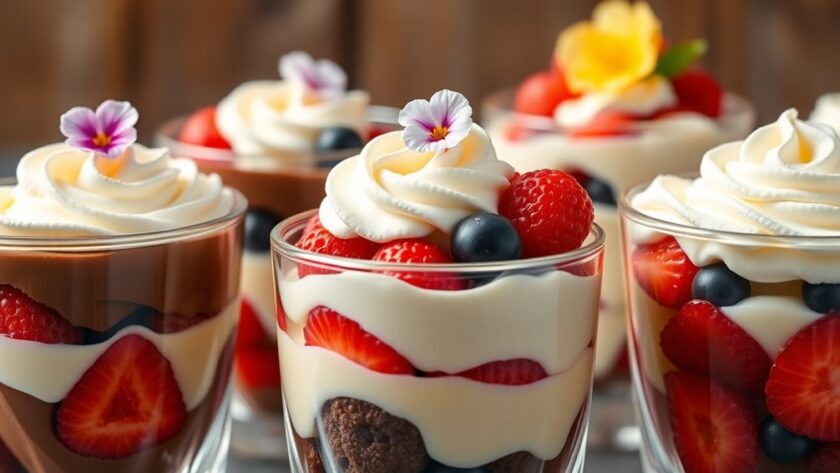
A trifle is a layered dessert assembled in a glass or open bowl, where each layer is visible from the side. A layered dessert is any treat built in stacked components, such as a parfait, icebox dessert, or no-bake cheesecake in a jar. The layers are usually soft, so they can be spooned out in one scoop with a mix of textures.
The classic English trifle, which uses sponge cake, jam or fruit, custard, and whipped cream, is the best-known version. Modern trifles swap in brownies, pound cake, pudding, mousse, or crumbled cookies. The method stays the same, so once you learn the formula you can invent your own combinations.
What Is the Basic Trifle Formula?
Most trifles follow a simple formula: one cake layer, one creamy layer, one fruit or sauce layer, and a topping. Choose one option from each category and repeat the layers until the glass is full. The table below shows common choices and what each adds.
| Layer | Common Options | What It Adds |
|---|---|---|
| Base cake | Sponge, pound cake, ladyfingers, brownies, shortbread | Soft texture and a sponge that holds a sauce or syrup |
| Creamy layer | Custard, vanilla pudding, mousse, mascarpone cream, lemon curd | Richness and the main flavor |
| Fruit or sauce | Berries, sliced peaches, pineapple, apple slices, caramel | Brightness and moisture |
| Whipped cream | Sweetened whipped cream, Greek yogurt cream, coconut cream | Lightness and a clean finish |
| Crunch or garnish | Toasted nuts, cookie crumbles, graham crumbs, toasted coconut | Texture contrast and visual appeal |
For a soaked cake layer, brush sponge or ladyfingers with a little juice, espresso, or liqueur before layering. Use just enough liquid to moisten the cake without making it soggy. Soft cake that has been soaked for a long time can turn mushy, so plan to assemble within a few hours of building the base.
How Do You Assemble a Layered Dessert?
To assemble a layered dessert, cut your cake into small pieces, add each layer in order, and keep the layers even so the glass looks neat. Work with chilled components, since cold cream holds its shape better. The steps below work for most trifles and parfaits.
- Cut the cake or cookies into 1-inch pieces or crumble them, and soak them lightly if the recipe calls for it.
- Spoon a thin layer of cake into the bottom of the glass so the base is even.
- Add a layer of custard, pudding, or mousse, spreading it gently to the glass edge so the layers show.
- Add fruit or sauce, reserving a few pieces for the top.
- Repeat the cake, cream, and fruit layers until the glass is full, usually two or three times.
- Finish with whipped cream, a garnish of fruit or crumbs, and any final drizzle or toasted topping.
- Cover and refrigerate until serving so the layers set and the flavors blend.
Use a piping bag or a spoon with a flat edge to keep the layers clean. A wide, clear glass shows the layers best, while a narrow glass makes each serving easier to scoop. Chill the finished dessert at least a few hours before serving so the cream firms up and the cake softens evenly.
What Are 20 Trifle and Layered Dessert Ideas Worth Making?
These 20 ideas cover classic, chocolate, fruit, coffee, and seasonal styles, and each one uses the same formula with different flavors. Use the notes to pick a combination that matches your guests and the season. You can also mix and match the components from different ideas.
Classic and Custard Trifles
- Classic English trifle: Sponge or pound cake soaked in fruit juice, layered with jam, custard, whipped cream, and berries.
- Strawberry shortcake trifle: Crumbled shortcake, sweetened strawberries, and whipped cream, which is a good choice for early summer.
- Banana pudding trifle: Vanilla pudding, sliced bananas, and vanilla wafers, layered in a glass for an easy crowd-pleaser.
- Lemon meringue trifle: Lemon curd, whipped cream, shortbread crumbs, and a toasted meringue swirl on top.
- Tiramisu trifle: Espresso-soaked ladyfingers, sweet mascarpone cream, and a dusting of cocoa powder.
Chocolate and Nut Layers
- Chocolate mousse layered delight: Chocolate mousse, whipped ganache, and crushed chocolate cookies, with a thin layer of cookie crumbs at the bottom.
- Mint chocolate layered delight: Crushed mint chocolate cookies, chocolate pudding, whipped cream, and fresh mint leaves.
- Almond and chocolate layers: Crushed almonds for a crunchy base, chocolate mousse, almond cream, and shaved chocolate on top.
- S’mores in a glass: Graham cracker crumbs, chocolate pudding, marshmallow fluff, and a final sprinkle of mini marshmallows, lightly toasted.
Cake and Cookie Trifles
- Red velvet trifle: Crumbled red velvet cake layered with cream cheese frosting, whipped cream, and fresh berries.
- Cookies and cream layered dessert: Crushed chocolate sandwich cookies alternated with a whipped cream and cream cheese mixture.
Fruit-Forward Trifles
- Pineapple and coconut layers: Crushed pineapple brightened with lime, coconut cream, and toasted coconut flakes on top.
- Mixed berry parfait: Strawberries, blueberries, raspberries, and blackberries alternated with lightly sweetened whipped cream.
- Mango and lime trifle: Diced mango, lime zest, and a coconut or vanilla cream, served well chilled.
- Vanilla pudding and fruit medley: Vanilla pudding with berries and sliced peaches, finished with a sprig of mint.
Coffee and Cheesecake Layers
- Mocha coffee layered dessert: Espresso-soaked ladyfingers, mocha cream, chocolate shavings, and a cocoa dusting.
- No-bake cheesecake layers: A graham crust, smooth cheesecake filling, and a fruit or sauce topping, layered in individual glasses.
Seasonal Trifles
- Pumpkin spice trifle: Spiced cake or gingersnaps, pumpkin filling, whipped cream, and a sprinkle of cinnamon, with maple syrup for sweetness.
- Caramel apple trifle: Cinnamon-spiced apple slices, vanilla pudding, graham crumbs, whipped cream, and a caramel drizzle down the sides.
- Festive holiday trifle: Gingerbread or pound cake, custard, cranberry compote, and peppermint-flavored whipped cream.
Use fresh fruit when it is in season, and adjust the sugar so the sweetness balances the tart fruit. Layer contrasting colors, such as red berries with pale custard, to make the glass look more striking.
How Do You Make Trifles Ahead and Keep Them Safe?
You can make most trifles a day ahead, but keep the cream and custard cold the whole time. Perishable foods need to be refrigerated quickly, and cream-based desserts are no exception. The USDA recommends refrigerating perishable food within two hours, and within one hour when the air temperature is above 90°F, which applies to picnics and warm kitchens alike. For more on keeping a dessert at the right temperature while traveling, see these portable desserts for picnics and road trips, though the cold-chain rules still apply.
Eggs need special care in custard-based trifles. The USDA advises cooks to use pasteurized eggs or egg products in recipes that call for raw or undercooked eggs, or to heat eggs with liquid to 160°F, which is the safer option for homemade custard. The FDA guidance on egg safety also recommends pasteurized eggs in foods like Caesar dressing, so the same approach works for tiramisu cream and mousse made with raw eggs.
Food Safety Checklist for Layered Desserts
- Cook custard to 160°F, or buy pasteurized eggs for any no-cook mousse or mascarpone cream.
- Refrigerate custard, cream, and assembled trifles promptly after making them.
- Keep finished desserts cold until serving, and return leftovers to the fridge within two hours.
- Check the FoodSafety.gov cold food storage chart for time limits on leftover cream-based desserts.
- Add fresh-cut fruit and whipped cream just before serving if you plan to keep the trifle out during a party.
How Far Ahead Can You Assemble a Trifle?
Assemble a trifle the day before serving for the best balance of soft cake and firm cream. Add crunchy toppings like toasted nuts, cookie crumbles, or toasted coconut just before serving so they stay crisp. Fresh whipped cream holds for a shorter time than stabilized cream, so add it close to serving time when possible.
If you want a make-ahead dessert that you can stash for longer, consider freezer desserts you can keep on hand instead. Freezer-friendly options hold up better than fresh cream when you need dessert days in advance.
Which Trifle Should You Choose for Your Crowd?
Choose a trifle based on the season, your guests, and how much time you have. Chocolate and coffee styles suit adult gatherings, while fruit-forward options work well for summer and brunch. Simple options like banana pudding or vanilla fruit trifles are the easiest to make for a crowd.
If you are feeding a group at work or a potluck, a trifle in a large glass bowl is easy to serve with a spoon. For sturdier options that travel well, see these bar desserts that travel well for potlucks. Classic favorites like tiramisu and English trifle also pair nicely with a dinner, and you can find more timeless options in classic American desserts that stay popular.
Frequently Asked Questions
What is the difference between a trifle and a parfait?
A trifle usually includes cake or sponge soaked in liquid, plus a custard or pudding layer. A parfait is typically built from yogurt, cream, and fruit, often with granola, and it is served in a tall glass. Both use layers, so the terms overlap in many recipes.
Can I make a trifle the day before?
Yes, most trifles taste better after a few hours or overnight because the cake softens and the flavors blend. Keep the dessert cold the entire time and add crunchy toppings just before serving. Fresh whipped cream is best added close to serving time.
How long can a trifle stay in the fridge?
Refrigerate the trifle promptly after assembling it, and do not leave it out for more than two hours. The USDA window shrinks to one hour when the air temperature is above 90°F. Check the FoodSafety.gov cold food storage chart for time limits on specific foods.
Is it safe to use raw eggs in trifle custard?
Raw eggs carry a risk of foodborne illness, so use pasteurized eggs or egg products for any no-cook custard, mousse, or mascarpone cream. You can also cook the custard with liquid until it reaches 160°F. Both methods follow USDA guidance.
Can I make a trifle without alcohol?
Yes, you can soak the cake in fruit juice, coffee, or a flavored syrup instead of wine or liqueur. Tea and espresso also add depth without alcohol. Choose a soaking liquid that complements your fruit or flavor.
What glass works best for layered desserts?
A clear, straight-sided glass or trifle dish shows the layers best. Narrow glasses make single servings easy to scoop, while a wide bowl is better for a large crowd. Choose a glass that holds enough for your layers without leaving too much empty space at the top.
Conclusion
Trifles and layered desserts are simple to build once you understand the formula: cake, creamy layer, fruit or sauce, and a finishing topping. Use the 20 ideas here as a starting point, and keep your eggs and cream cold for safe, reliable results. With a clear glass and a little patience, you can make a dessert that looks as good as it tastes.
More on Trifles and Layered Desserts
- Classic Tartufo Dessert Recipe
- Fluffy Vanilla Bean Mousse: A Light and Elegant Dessert
- Friends Rachel Trifle: Recreating the Iconic Dessert
- Iconic Rachel’S Trifle: Recreate the Friends Dessert With a Modern Twist
- Italian Cassata Recipe: A Sicilian Dessert to Remember
- Raspberry Fluff: The Retro No-Bake Dessert Your Family Will Love
- Strawberry Cream Cheese Dessert With Graham Crackers: Sweet & Tangy Layers
- Vanilla Bean Pastry Cream: Your Go-To Filling for Tarts & More
Related guides: Meal Prep Desserts: 14 Make‑Ahead Treats to Store and Freeze · 20 Classic American Desserts That Never Go Out of Style · 25 Easy Dessert Recipes You Can Make in Under 30 Minutes
Free tools: Baking Cups to Grams Converter (Free)