
Last updated: · By Claire Dawson
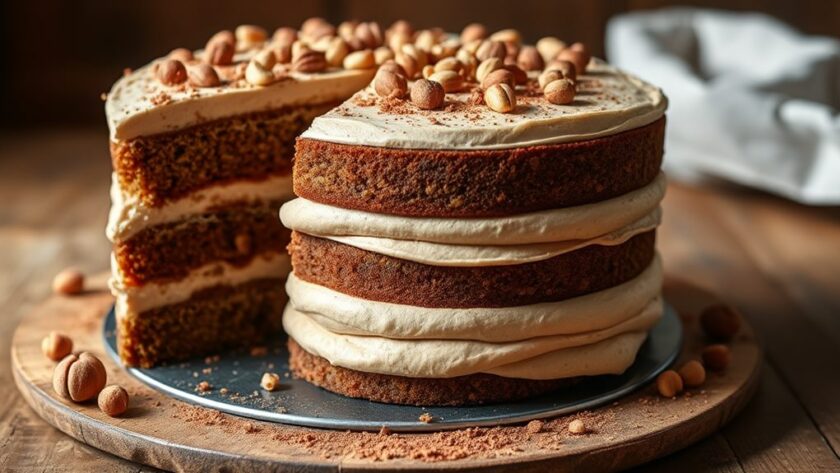
Hazelnut buttercream is a butter-based frosting made by beating softened unsalted butter with powdered sugar and finely ground hazelnuts or hazelnut paste. It has a nutty, slightly toasted flavor that pairs well with chocolate, coffee, caramel and vanilla cakes, and it is firm enough to pipe. To make it at home, toast and grind the nuts, cream them with the butter, add the sugar gradually, and finish with a splash of vanilla and a little cream for a smooth, spreadable texture.
Key Takeaways
- A basic hazelnut buttercream uses about 1 cup (2 sticks) of butter, 3 to 3.5 cups of powdered sugar, and about 1/2 cup of ground toasted hazelnuts or hazelnut paste.
- Roast hazelnuts at 350°F for 10 to 15 minutes until golden, then cool and rub off the loose skins before grinding.
- Keep butter at a cool room temperature, around 65°F to 68°F, so the frosting whips light without becoming greasy.
- Refrigerated hazelnut buttercream in an airtight container is commonly kept for about one to two weeks, and it can be frozen for up to three months.
- Hazelnuts are a tree nut, so any buttercream you share with guests must be labeled, because tree nuts are one of the major food allergens under U.S. law.
What Is Hazelnut Buttercream and How Is It Different?
Hazelnut buttercream is a frosting that gets its flavor from ground hazelnuts, usually blended into a classic butter and powdered sugar base. Unlike a plain American buttercream, it has a deeper, roasted flavor and a slightly looser texture, because nut paste adds some natural oil. That makes it best for cakes where you want a warm, nutty note rather than a sharp sweetness.
The frosting works well for spreading between layers and for piping simple borders, rosettes and swirls. Because it is richer than vanilla buttercream, many bakers pair it with lighter cake layers, such as a bakery-style yellow sheet cake, so the frosting does not overwhelm the crumb.
What Are the Key Ingredients in Hazelnut Buttercream?
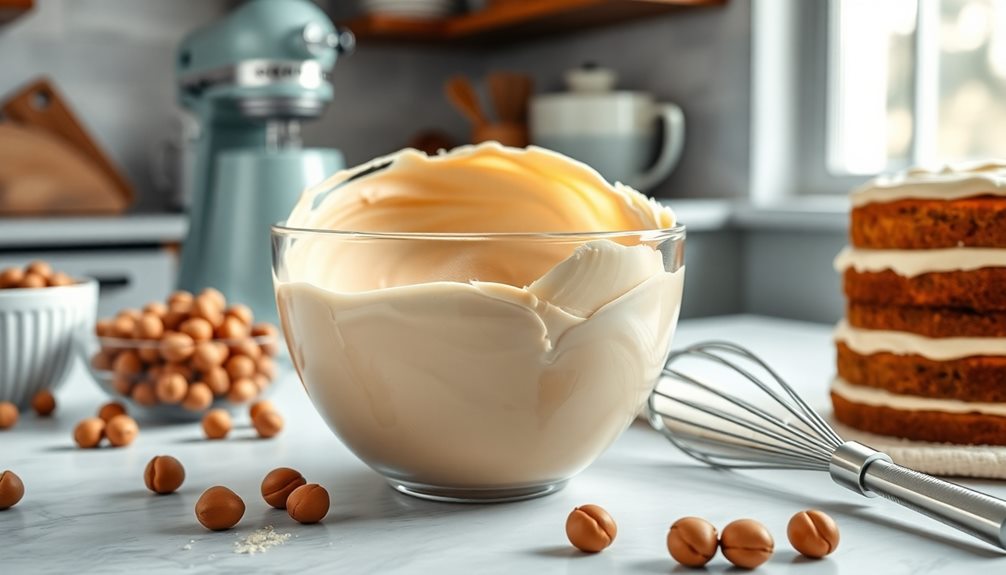
The core ingredients are butter, powdered sugar, hazelnuts and a small amount of liquid. Each one controls a different part of the final texture and flavor. Understanding their roles helps you adjust the recipe when your kitchen is warm or your nuts are особенно oily.
| Ingredient | Role in the frosting | Practical tip |
|---|---|---|
| Unsalted butter | Creates the light, fluffy base when whipped | Use softened butter that still holds a fingerprint dent; it should not be melted or oily |
| Ground toasted hazelnuts or hazelnut paste | Adds nutty, roasted flavor and some richness | Grind until fine but stop before the nuts release oil and turn pasty |
| Powdered sugar | Sweetens and stiffens the frosting | Sift before adding to prevent lumps |
| Heavy cream or whole milk | Loosens the texture for spreading | Add one tablespoon at a time to avoid a soupy result |
| Vanilla extract and salt | Rounds out sweetness and sharpens the nut flavor | A pinch of fine salt keeps the frosting from tasting flat |
Hazelnut spread, such as chocolate-hazelnut spread, is a common shortcut. It is sweeter and contains cocoa, so if you use it, reduce the powdered sugar and expect a chocolate-forward flavor rather than a pure hazelnut one.
How Do You Make Hazelnut Buttercream Step by Step?
To make hazelnut buttercream, toast and grind the nuts, beat the butter until pale, then add the hazelnut paste and sugar in stages. The whole process takes about 20 minutes plus cooling time for the nuts. The recipe below makes enough frosting to fill and cover a two-layer 8-inch cake.
Ingredients
- 1 cup (2 sticks) unsalted butter, softened to cool room temperature
- 3 to 3.5 cups powdered sugar, sifted
- 1/2 cup hazelnut paste, or about 1/2 cup finely ground toasted hazelnuts
- 1 teaspoon vanilla extract
- 1/8 teaspoon fine salt
- 1 to 2 tablespoons heavy cream or whole milk
Method
- Roast whole hazelnuts on a sheet pan at 350°F for 10 to 15 minutes, until golden and fragrant. Cool completely.
- Rub the warm or cooled nuts in a clean kitchen towel to remove most of the papery skins. Some skin left behind is fine.
- Pulse the nuts in a food processor until finely ground. Stop when the texture is fine and crumbly; if it turns glossy and oily, you have gone too far.
- Beat the softened butter with a paddle attachment on medium speed for 2 to 3 minutes, until pale and creamy.
- Add the hazelnut paste or ground nuts and beat for about 1 minute until combined.
- Reduce speed to low and add the powdered sugar about 1/2 cup at a time, mixing until each addition is absorbed.
- Add the vanilla, salt and 1 tablespoon of cream. Raise the speed to medium and beat for 2 to 3 minutes until light and fluffy.
- If the frosting is too stiff, add more cream a teaspoon at a time. If it is too soft, refrigerate it for 15 to 20 minutes and beat again.
How Can You Get the Right Texture and Avoid Common Problems?
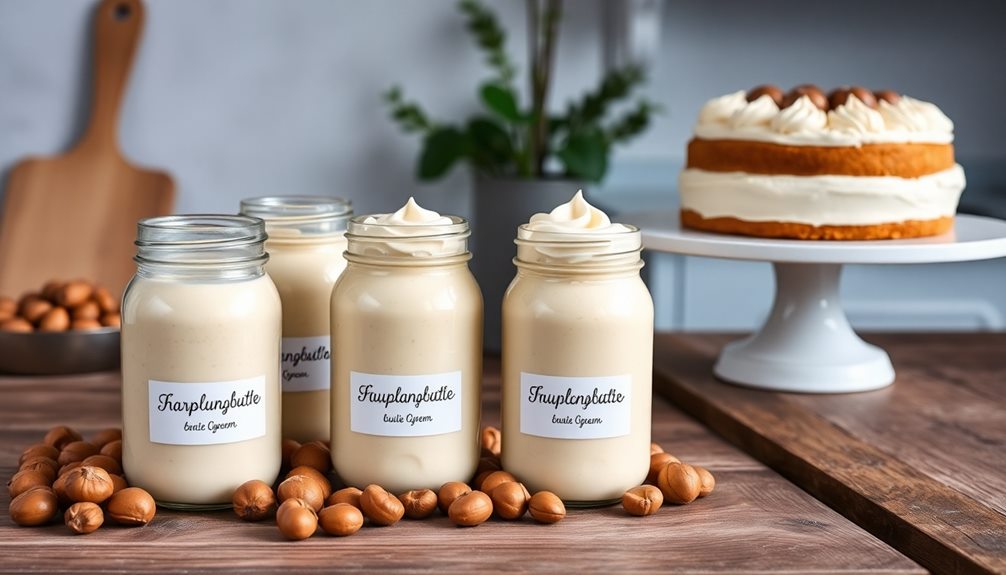
The right texture depends mostly on temperature, sugar ratio and how long you beat the frosting. Most problems come from butter that is too warm or too cold, or from adding too much liquid at once. Use the checklist and troubleshooting table below to diagnose the issue quickly.
- Bring butter to a cool room temperature before starting; it should be soft but not greasy.
- Sift powdered sugar to avoid grainy frosting.
- Grind nuts to a fine texture and stop before they turn oily.
- Add liquid slowly, one tablespoon at a time.
- Beat for at least 2 to 3 minutes after the final addition to incorporate air.
| Problem | Likely cause | Fix |
|---|---|---|
| Frosting is greasy or separated | Butter was too warm or the nuts were over-processed | Chill for 15 minutes, then beat again on medium speed |
| Frosting is grainy | Powdered sugar was not sifted or was not fully mixed in | Sift sugar and beat for 2 more minutes |
| Frosting is too soft to pipe | Too much cream or a warm kitchen | Chill briefly, then add sifted sugar a few tablespoons at a time |
| Frosting is too stiff to spread | Not enough liquid | Add cream one teaspoon at a time while beating |
If the cake itself is soft from the heat, refrigerate the frosted cake for 15 to 30 minutes before final piping. This firms the buttercream so decorations keep their shape.
What Flavors and Pairings Work Best With Hazelnut Buttercream?
Hazelnut buttercream pairs best with flavors that either echo its roasted nuttiness or contrast with its richness. Coffee, chocolate, caramel and vanilla are the most common partners. A small amount of coffee extract or espresso powder deepens the flavor without making the frosting taste like coffee.
| Frosting | Main flavor | Piping stability | Best for |
|---|---|---|---|
| Hazelnut buttercream | Roasted, nutty and slightly sweet | Good when chilled; softens faster than plain buttercream | Layer cakes, nut-forward desserts |
| Vanilla American buttercream | Classic sweet vanilla | Firm and reliable for piping | Birthday cakes and detailed decorating |
| Honey icing | Floral and light | Thin; best as a glaze or drizzle | Breads, scones and lighter cakes |
If you want a lighter finish for everyday baking, consider a honey icing for cakes and breads instead. For a glossy, sculpted finish on a special occasion cake, a pourable fondant recipe for decorating cakes is an alternative to buttercream.
How Should You Store Hazelnut Buttercream?
Store hazelnut buttercream in an airtight container in the refrigerator, where it is commonly kept for about one to two weeks. For longer storage, freeze it for up to three months. Thaw it overnight in the refrigerator, then bring it to room temperature and re-whip it before using.
- Cool the frosting to room temperature if it was freshly made, then transfer it to a clean airtight container.
- Press plastic wrap directly onto the surface to limit air exposure and skin formation.
- Label the container with the date. Refrigerate for up to two weeks or freeze for up to three months.
- Before using, let it sit at room temperature for 30 to 60 minutes, then beat for 1 to 2 minutes to restore its texture.
Discard frosting that smells sour or shows mold. Keep stored buttercream away from direct sunlight and heat, which can make it soften or spoil. Frosted cakes decorated with buttercream should also be refrigerated if the room is warm, and served within a day or two once they are cut.
Is Hazelnut Buttercream Safe for People With Nut Allergies?
No. Hazelnut buttercream contains tree nuts, so it is unsafe for people with tree nut allergies and must be disclosed to guests. The U.S. Food and Drug Administration (FDA) identifies tree nuts as one of the eight major food allergens under the Food Allergy Labeling and Consumer Protection Act of 2004, and foods containing them must name the allergen source on the label. Read the FDA overview of food allergies for the full list.
FDA guidance on allergen labeling explains that a “Contains” statement is reserved for the tree nuts listed in its Table 1, while other tree nuts must still be named in the ingredient list. For commercial products, check both the ingredient list and any advisory statement. If you sell or give away baked goods, label the hazelnut buttercream clearly, and consult the FDA questions and answers on food allergen labeling for details on how the rules apply.
Nutrition also depends on the amount of nut used. A USDA-based nutrient entry from the University of Rochester Medical Center lists one cup of whole hazelnuts at about 848 kcal, 82 g of total fat, 20 g of protein and 13.1 g of fiber. Those figures describe the raw nuts, not the finished frosting, but they show why hazelnut buttercream is a rich, high-fat topping that is best served in modest portions.
Frequently Asked Questions
Can you use hazelnut spread instead of ground hazelnuts?
Yes, but the result will be sweeter and have a chocolate flavor because most hazelnut spreads contain cocoa and sugar. Reduce the powdered sugar and add the spread after the butter is creamed. Taste as you go, since the flavor is much less toasted than frosting made with roasted nuts.
Does hazelnut buttercream need to be refrigerated?
Yes, if you are not serving it within a day or two, refrigeration is the safer choice because the butter and nuts can go rancid or spoil at warm room temperature. Keep it in an airtight container. Let it come back to room temperature and re-whip before you use it.
Why does my hazelnut buttercream taste oily?
Oily frosting usually means the nuts were over-processed or the butter was too warm. Grind the nuts only until fine and crumbly, and keep the butter soft but cool. If the frosting looks separated, chill it briefly and beat again on medium speed.
Can hazelnut buttercream be frozen?
Yes. Store it in an airtight, freezer-safe container for up to three months. Thaw it overnight in the refrigerator, then bring it to room temperature and beat it to restore a smooth texture.
Is hazelnut buttercream safe to serve at parties?
Only if every guest can eat tree nuts. Hazelnuts are tree nuts, so tell your guests about them and label the dessert clearly. Any packaged ingredient you use, such as hazelnut paste, should also be checked for its allergen statement.
Conclusion
Hazelnut buttercream gives cakes a roasted, nutty flavor and a frosting that is firm enough to pipe. Start with properly softened butter, toast and grind the nuts carefully, and add the sugar and liquid in stages. Store it well, and label it clearly whenever tree nut allergies could be a concern, so your hazelnut buttercream is both delicious and safe to share.