Last updated: · By Claire Dawson
The history of cheesecake stretches back more than 2,000 years, from honey-sweetened cheese cakes in ancient Greece to the creamy New York-style slices and global variations found in bakeries today. Cheesecake is built on cheese, eggs or other binders, sugar, and often a crust, and its story is one of gradual change rather than a single invention. This guide traces that journey, separates well-documented facts from popular legend, and shows how each era shaped the cake you can bake at home.
Key Takeaways
- A fifth-century BC poem by Philoxenos describes a cheesecake made with milk and honey and baked into a pie, served at the end of a meal.
- Ancient Greek cheesecake, reportedly made from honey, cheese, and wheat, was believed to supply energy, and it is said to have been prepared for athletes at the 776 BC Olympic Games.
- After the Romans took Greece, they reportedly adapted the dish by adding crushed cheese and eggs and serving it warm under the name libuma.
- The English name cheesecake appears only from the 15th century, while the modern form took shape around the 18th century.
- New York-style cheesecake, made with cream cheese and usually set on a graham cracker crust, is the classic American version most bakers recognize.
What Was the Earliest Cheesecake in Ancient Greece?
The earliest known form of cheesecake was a sweet dish from ancient Greece made from cheese, honey, and wheat. It is the starting point for the cheesecake history that followed, though written records from the period are limited and some details come from later accounts.
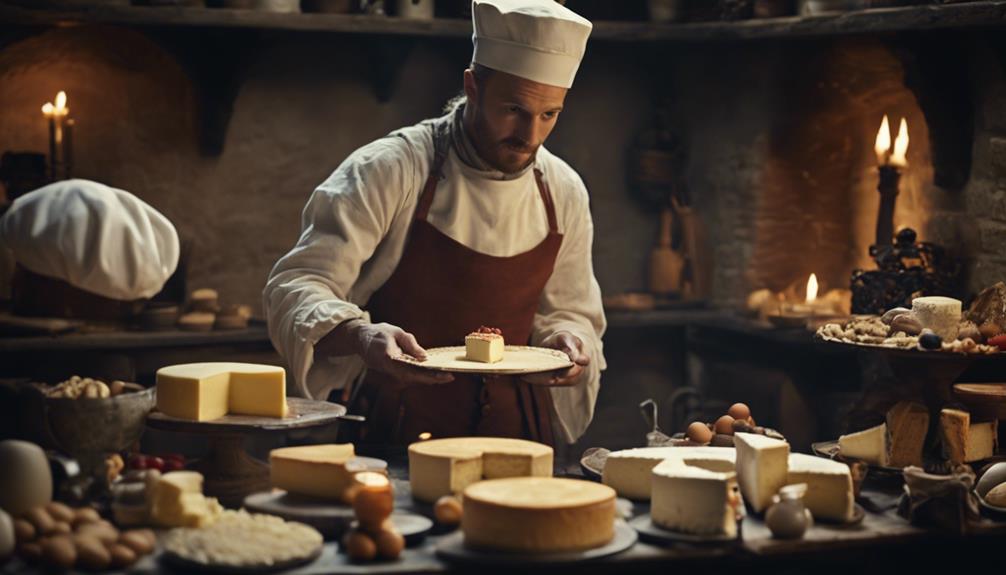
The strongest written evidence is a fifth-century BC poem by Philoxenos, which describes a cheesecake made with milk and honey and baked into a pie. The poem places it at the end of a meal, which suggests the dish was valued as a sweet finish rather than as a main course. Ancient Greek cheesecake is described as a dessert that combined the richness of dairy with the sweetness of honey.
Later accounts link the dish to athletes. According to The Jewish Chronicle, ancient Greek cheesecake was made from honey, cheese, and wheat and was believed to supply energy, which is why it was reportedly prepared for athletes at the 776 BC Olympic Games. Treat that Olympic link as a popular claim, since it rests on reports rather than contemporary records. The energy-giving reputation is still a useful clue to how ancient cooks viewed the dish: as food that was both pleasurable and sustaining.
For home bakers, the Greek version is a reminder that cheesecake began as a simple combination of ingredients. You do not need cream cheese or a graham crust to make a cheese-based sweet. Honey, fresh cheese, and a little grain are enough to produce something recognizable as an ancestor of the modern dessert.
How Did the Romans Change Cheesecake?
The Romans reportedly changed cheesecake by adding crushed cheese and eggs and serving it warm under the name libuma. Eggs help the filling set into a firmer, more cohesive cake, which moved the dish closer to the baked cheesecake most people know today.
According to The Jewish Chronicle, Cato the Elder later described a layered version flavored with bay leaves. That account shows that Roman cooks were already experimenting with structure and flavor, not just swapping one ingredient for another. Historians generally agree that the Roman period expanded the recipe’s reach across the Mediterranean, though the exact recipes varied by household and region.
If you want to explore this early style, you can approximate it with a warm, egg-set cheese cake flavored lightly with honey. Use a fresh, mild cheese and bake gently until the center just barely jiggles. This method respects the Roman emphasis on warm, set cheese while keeping the flavor close to the Greek origins.
How Did Cheesecake Develop in Medieval Europe?
Cheesecake spread across medieval Europe as local cooks adapted it to the dairy products and sweeteners they had available. Written recipes from this era are scarce, so historians can describe the spread more confidently than specific ingredient lists. The main recorded milestone is linguistic: the English name cheesecake appears only from the 15th century.
That gap between the dessert’s ancient roots and its English name is important. A dish can exist for centuries before it is written down under a name that modern readers would recognize. When the name finally appears, it reflects a dessert that was already established across European kitchens, with many regional versions.
For bakers today, the medieval period is best understood as a time of experimentation. Regional cooks worked with the cheeses, fruits, and sweeteners nearby, which is why later cheesecakes vary so widely in texture and flavor.
When Did Modern Cheesecake Take Shape?
The modern form of cheesecake took shape around the 18th century, according to The Wikipedia entry on cheesecake, which is community-edited and should be checked against its cited sources. This is the period when a baked, sliceable dessert began to resemble the cakes bakers make now. Exact recipes from the period are hard to confirm, so the date reflects the general development of the form rather than one documented invention.
Several changes define the modern style: a richer dairy base, a sweet filling set with eggs, and a crust that holds the slice together. Each of these features existed in earlier versions in some form, but they became more consistent as ovens, ingredients, and recipe writing improved. Modern bakers can trace their basic method directly to this period.
What Makes New York-Style Cheesecake Different?
New York-style cheesecake is a dense, creamy cheesecake made with cream cheese and usually set on a graham cracker crust. Its texture is richer and firmer than many lighter, airier styles, which is why it is often the version people picture when they hear the word cheesecake in the United States.
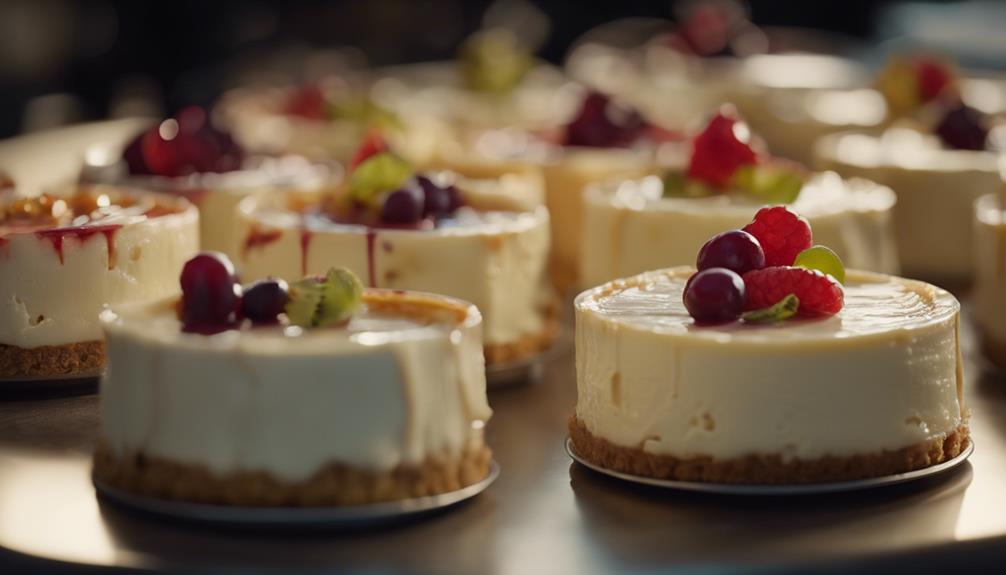
The style’s defining feature is its filling. Cream cheese gives the cake a smooth, velvety texture that holds its shape when sliced cold. Eggs and sugar add structure and sweetness, and many versions include sour cream or heavy cream for extra richness. The graham cracker crust provides a crisp, buttery contrast to the dense filling.
How Do You Get the Classic Texture at Home?
To get a smooth, dense New York-style cheesecake, focus on technique as much as ingredients. Small adjustments to mixing, baking, and cooling make the biggest difference.
- Bring the cream cheese to room temperature so it blends without lumps.
- Mix the sugar and cream cheese first, then add eggs one at a time on low speed to avoid whipping in extra air.
- Bake in a water bath to moderate the heat and reduce cracking.
- Turn off the oven, crack the door, and let the cake cool gradually before refrigerating.
- Chill for several hours, ideally overnight, before slicing for clean edges.
These steps reflect common practice in home baking rather than a single tested standard, so adjust bake times to your oven and pan size. Look for a center that wobbles slightly when you nudge the pan. The cake will firm as it cools.
What Are the Main Global Cheesecake Varieties?
Global cheesecake varieties differ mainly in their base cheese, flavorings, and texture. Italian ricotta styles tend to be moist and citrus-bright, Japanese versions are known for a light and airy crumb, and Australian versions often feature macadamia nuts and caramel. The table below compares the main styles discussed in this article.
| Style | Signature ingredients | Typical texture |
|---|---|---|
| Ancient Greek cheesecake | Cheese, honey, wheat (per The Jewish Chronicle) | Sweet, pie-like, sustaining |
| Roman libuma | Crushed cheese, eggs, served warm (per The Jewish Chronicle) | Warm and set with eggs |
| New York-style | Cream cheese, eggs, graham cracker crust | Dense and creamy |
| Italian ricotta | Ricotta, lemon zest | Moist and citrus-bright |
| Japanese fluffy | Matcha green tea powder | Light and airy |
| Australian style | Macadamia nuts, caramel sauce | Rich and nutty |
These descriptions reflect common versions rather than a single official recipe. Regional bakers adjust ingredients constantly, so treat the table as a guide to flavor and texture. If you are choosing a style to bake, start with the ingredient you want to feature and build the recipe from there.
What Are the Newest Cheesecake Innovations?
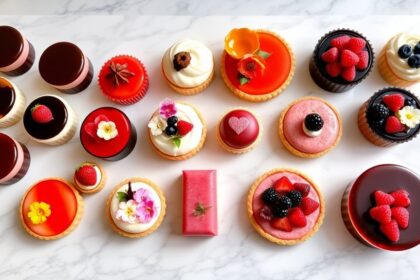
Modern cheesecake innovations focus on new flavor pairings, smaller formats, and creative presentation. Bakers are combining classic bases with flavors like salted caramel, red velvet, and white chocolate raspberry, and they are serving cheesecake in mini bites and jars. These trends build on the same core recipe that developed over centuries.
Which Flavor Combinations Work Well?
Flavor combinations work best when one element is rich and another adds brightness or contrast. Salted caramel adds depth to a plain cream cheese base, while raspberry or lemon cuts through the richness. Chocolate, fruit, and savory variations also appear in modern menus, though they are more experimental than the classics.
If you enjoy white chocolate, try a no-bake approach, which uses chilled set filling instead of an oven. Our guide to a no-bake white chocolate cheesecake recipe walks through a simple version of this style.
How Can You Present Cheesecake Creatively?
Presentation works best when it adds color or texture without overwhelming the flavor. Fresh berries, a thin drizzle of sauce, or toasted nuts give visual interest and contrast. Individual servings in jars or cups make cheesecake easy to portion and transport.
- Top with fresh berries or a thin layer of fruit coulis for color.
- Add crunch with cookie crumbs or toasted nuts.
- Finish with chocolate shavings or a ganache drizzle for elegance.
- Serve in jars or cups for clean, single-portion presentation.
Keep toppings modest so the texture of the cheesecake remains the focus. Chill the cake fully before adding delicate garnishes, which helps them stay put.
Frequently Asked Questions
Where did cheesecake originate?
Cheesecake’s roots are traced to ancient Greece, where cooks made sweet dishes from cheese, honey, and wheat. A fifth-century BC poem by Philoxenos describes a cheesecake baked into a pie. The modern cheesecake developed over many centuries after that.
Was cheesecake served at the Olympics?
Reports say ancient Greek cheesecake was prepared for athletes at the 776 BC Olympic Games, because it was believed to supply energy. These accounts are not firmly documented in contemporary records, so treat the claim as a popular tradition. The energy-giving reputation of the dish is better supported than the specific Olympic link.
When did cheesecake get its name?
The English name cheesecake appears only from the 15th century, according to the Wikipedia entry on cheesecake. The dessert existed long before that under other names and forms. The name reflects the point when the dish was recorded under the label used today.
What makes New York-style cheesecake different?
New York-style cheesecake uses cream cheese for a dense, velvety filling and usually sits on a graham cracker crust. It is richer and firmer than many lighter styles, such as Japanese fluffy cheesecake. Chilling it thoroughly before slicing helps the texture hold.
Can you can cheesecake at home?
Canning a dairy-based dessert requires tested procedures, so it should not be attempted from an untested recipe. Our guide to how to can cheesecake covers the topic in more detail. Always follow current, tested guidance from a reliable food-preservation source.
Conclusion
The cheesecake history begins in ancient Greece with honey, cheese, and wheat, and it grew through Roman adaptations, medieval regional cooking, and the modern forms bakers know now. The dessert’s dates are not always certain, but the sourced milestones show a clear path from a simple sweet to the many global variations of today. Try a classic New York-style slice or a regional version to taste that journey for yourself.
Also see our guide to the evolution of ice cream from ancient treats to modern marvels, which shows how other classic desserts changed over time.