Last updated: · By Claire Dawson
Shortbread cookies are a simple, all-butter biscuit with a sandy, crumbly texture and gentle sweetness. The best store-bought options are traditional all-butter cookies with short ingredient lists, and the best homemade batch uses cool butter, a light hand with the dough, and a low oven. This guide covers how to choose packaged shortbread, how to bake a reliable homemade batch, how to fix common texture problems, and how to handle flour and dough safely.
Key Takeaways
- Traditional shortbread follows a ratio of roughly 1 part sugar, 2 parts butter, and 3 parts flour, which is why it bakes up tender and crumbly.
- Bake shortbread at 300°F to 325°F so the cookies dry and set without browning too quickly.
- The U.S. Food and Drug Administration says most flour is uncooked, so you should never eat raw shortbread dough.
- When shopping, look for all-butter shortbread with butter near the top of the ingredient list and no artificial flavors.
- Under the UK geographical indication scheme, a Protected Designation of Origin requires full production in a named area using traditional skills.
What Are Shortbread Cookies?
Shortbread cookies are a traditionally Scottish biscuit made mainly from butter, sugar, and flour. Shortbread gets its tender, sandy crumb from a high proportion of fat to flour and little or no liquid, so it is short (crumbly) rather than chewy.
Classic shortbread follows a ratio of about 1 part sugar, 2 parts butter, and 3 parts flour by weight. Many versions add a pinch of salt or vanilla, and some add cornstarch or rice flour for a lighter bite. Because the dough has so little water, it bakes firm and holds its shape well.
If you have seen shortbread labeled as butter cookies, the two are close relatives. You can learn more about how butter cookies and shortbread differ before you choose which one to bake or buy.
What Are the Best Store-Bought Shortbread Cookies?
The best store-bought shortbread is usually a traditional all-butter cookie with a short ingredient list, because butter drives both the flavor and the texture. Look for a sandy, crisp bite rather than a hard or waxy one. Flavored varieties, such as lemon, are a good choice when you want a twist on the classic.
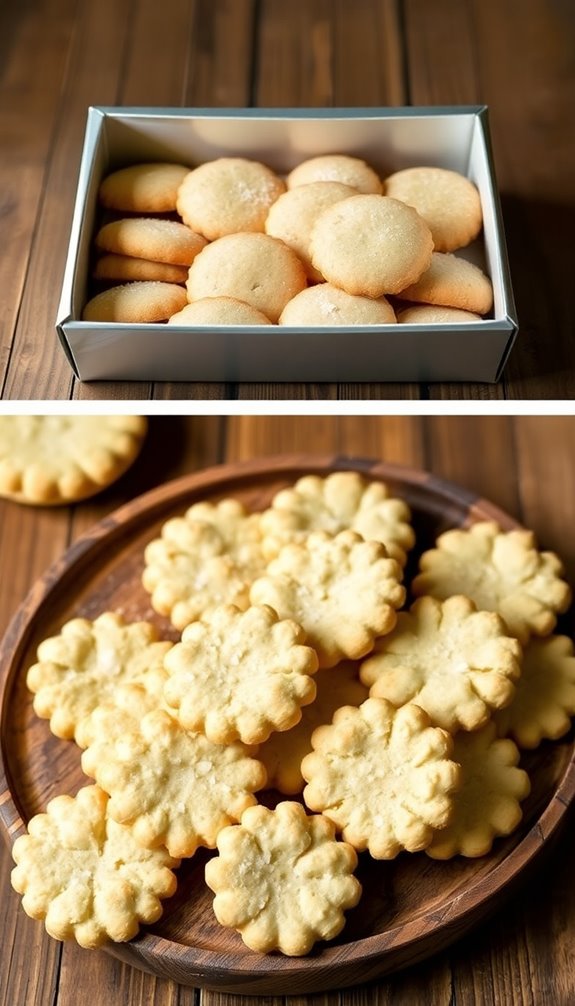
The table below groups common shelf options by style. This guide does not rank brands by taste, because the sources available for this article do not include reliable side-by-side test results. Recipes and labels change over time, so check the current package before you buy.
| Style | Example products | Best for | What to check on the label |
|---|---|---|---|
| Traditional all-butter | Walkers Pure Butter Shortbread | Dunking in tea | Butter should be the main fat listed |
| Lemon-flavored | Signature Select Lemon Shortbread Cookies | Citrus fans, tea or sparkling water | Whether the flavor comes from lemon or added flavoring |
| Crumbly, sweet-savory | Lorna Doone Shortbread Cookies | Snacking with coffee or hot cocoa | Sugar content, since sweetness varies by product |
| Premium or gift tins | Mary MacLeod’s Shortbread | Gifting and special occasions | Price per ounce compared with a standard box |
How Do You Read a Shortbread Label?
A short label usually means a more classic cookie. Use this checklist when comparing packages:
- Butter appears high on the ingredient list, ahead of vegetable oils or shortening.
- Few additives, with no artificial flavors or preservatives if you want a classic taste.
- A certified gluten-free label if you need to avoid wheat, since shortbread is normally made with wheat flour.
- Packaging that seals well, because shortbread that goes stale loses its crumb.
Does a Place Name on the Label Mean the Cookie Is Authentic?
Not automatically. Under the UK geographical indication scheme rules, a Protected Geographical Indication requires at least one production, processing, or preparation stage to take place in the named area. A Protected Designation of Origin is stricter, requiring full production in that area using traditional skills. These protections apply only to registered names, so check whether a product carries one of them before assuming regional origin.
How Do You Make Shortbread Cookies at Home?
To make shortbread at home, combine butter, sugar, flour, and a pinch of salt, then chill the dough and bake it low and slow. Most of the active work takes about 15 minutes, and the chilling time is what makes the cookies hold their shape. Weighing your ingredients gives the most consistent results.
Use this basic batch, which follows the traditional 1:2:3 ratio:
- Beat 1 cup (2 sticks, about 227 g) of unsalted butter with 1/2 cup (about 100 g) of sugar until just combined. The butter should be cool and pliable, not warm or greasy.
- Whisk 2 3/4 cups (about 340 g) of all-purpose flour with a pinch of salt. For a more tender bite, you can swap 2 tablespoons of the flour for cornstarch.
- Add the dry ingredients to the butter mixture on low speed, or stir by hand, and mix only until the dough holds together.
- Shape the dough into a disk or log, wrap it, and chill for at least 30 minutes until firm.
- Heat the oven to 300°F to 325°F. Roll the dough to about 1/4 inch thick, cut shapes, and prick each cookie with a fork.
- Bake for about 20 to 30 minutes, until the edges are just light golden. Cool on the pan for 10 minutes before moving them to a rack.
What Temperature Is Best for Shortbread?
A moderate-low oven between 300°F and 325°F is the most reliable range for shortbread. It dries the cookies and sets their crumb without browning the edges too fast. A hotter oven can give crisper edges, but it raises the risk of darker, more bitter spots before the centers are done.
Why Does Shortbread Turn Out Tough or Greasy?
Most texture problems come from overworked dough, butter that is too warm, or too much or too little flour. Small adjustments to handling and temperature usually fix them. Check these points first:
- Tough cookies: You likely mixed the dough too long after adding flour. Mix only until the dough just comes together.
- Spreading or greasy cookies: The butter was too warm or the dough was not chilled. Chill again for 15 to 30 minutes before baking.
- Dry, sandy crumbs that will not hold together: The dough needs a little more butter, or you measured flour by scooping. Weigh the flour for accuracy.
- Pale centers or raw texture: The cookies were cut too thick or the oven ran cool. Roll to 1/4 inch and check your oven temperature.
How Can You Change Shortbread Texture?
You can change shortbread texture with small swaps in the sugar, flour, and baking time. Each change alters how tender, crisp, or dense the cookie becomes. Make one change at a time so you can see its effect.
- Powdered sugar dissolves more fully into the butter and gives a finer, more tender crumb than granulated sugar.
- Cornstarch or rice flour replaces part of the wheat flour and reduces gluten, which produces a lighter bite.
- Liquid sweeteners such as honey or maple syrup add moisture, so the cookies spread more and brown faster. Lower the oven temperature if you use them.
- Longer baking at a low temperature produces a crisper cookie, while a shorter bake keeps the center softer.
Is It Safe to Eat Raw Shortbread Dough?
No, you should not eat raw shortbread dough or batter. The U.S. Food and Drug Administration says most flour is uncooked, and baking is what destroys bacteria that may be present in flour and in the raw eggs often mixed with it. Shortbread usually has no eggs, but the flour in it is still raw.
The FDA explains in its consumer guidance on flour as a raw food that milling grain into flour does not kill harmful bacteria. Its guide to handling flour safely makes the same point for common home baking flours, which come from raw grain. Tasting dough, even a small bite, is the risk to avoid.
Follow these practical habits when working with flour:
- Do not taste or snack on dough made with raw flour, even if the recipe is chilled.
- Do not try to heat-treat flour at home. The FDA advises against home methods because they may not reliably kill bacteria. See its guidance on why you should never devour raw flour.
- Check for flour recalls and discard any recalled flour you have at home.
How Should You Store Shortbread?
Store baked shortbread in an airtight container at room temperature to keep it crisp and crumbly. Air and humidity are the main reasons shortbread goes soft or stale. Keep different cookie types in separate containers so their flavors do not mix.
For day-by-day timelines and tips on keeping texture intact, read this guide on how long shortbread cookies last and how to store them. To keep dough longer, shape it into a log, wrap it tightly, and freeze it, then slice and bake from frozen with a few extra minutes in the oven.
What Flavor Variations Work Well in Shortbread?
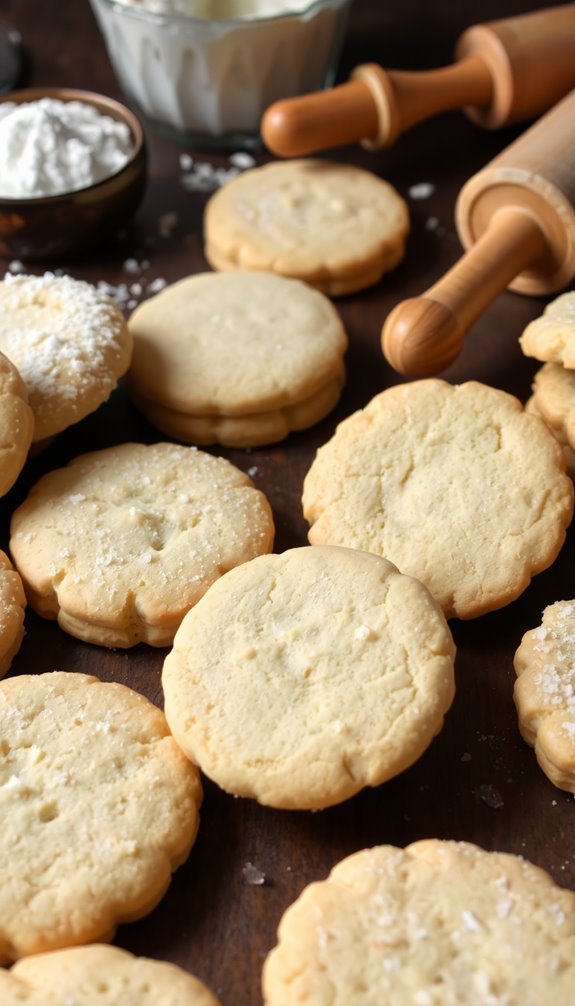
Lemon zest, vanilla, almond extract, and a pinch of flaky sea salt are the most dependable add-ins for shortbread. They enhance the butter without overpowering it. Start with small amounts and adjust on the next batch.
- Citrus: Rub the zest of one lemon into the sugar before creaming to release its oils, which spreads the flavor evenly.
- Almond: Add 1/2 teaspoon of almond extract with the butter. It pairs well with the cookie’s simple flavor.
- Chocolate: Dip cooled cookies in melted chocolate, or stir in no more than 1/2 cup of finely chopped chocolate so the dough still holds its shape.
- Salt and nuts: Sprinkle flaky salt over cookies before baking, or press finely chopped toasted nuts into the dough.
How Is Shortbread Different From Sugar Cookies?
Shortbread is richer and more crumbly than a sugar cookie because it uses more butter and less or no leavening. Sugar cookies usually include eggs and sometimes baking powder, which gives them a softer, more cake-like bite. If you want a sturdy cut-out cookie for decorating, a sugar cookie is usually the better choice.
Read more about how shortbread compares with sugar cookies in texture and ingredients if you are deciding which to bake for a party or a gift.
What Goes Well With Shortbread?
Shortbread pairs best with drinks that complement its buttery richness, such as tea, coffee, and cocoa. Lemon shortbread also works with sparkling water or herbal tea, because the citrus flavor stands up to bright, light drinks.
- Tea: A classic black or breakfast tea matches the sandy texture and mild sweetness.
- Coffee or hot cocoa: A sweet-savory shortbread balances the bitterness of coffee and the richness of cocoa.
- Lemon shortbread with herbal tea: Citrus and floral herbs make a light, refreshing contrast.
Shortbread also makes a sturdy base for dessert. Try crumbling it over ice cream or pairing it with other cookies, and see these ideas for cookies that pair well with ice cream.
Can Shortbread Be Gluten-Free?
Yes, shortbread can be made gluten-free by replacing wheat flour with a gluten-free flour blend, almond flour, or rice flour. Gluten-free dough is more fragile, so it needs longer chilling and gentle handling. Expect a slightly sandier texture than wheat-based shortbread.
Store-bought gluten-free shortbread varies widely. Read the nutrition label rather than assuming that gluten-free means lower in calories or sugar, because some brands add extra fat or sugar to improve the texture.
Frequently Asked Questions
Are store-bought shortbread cookies healthy?
Shortbread is a rich treat made mainly from butter and sugar, so it is best enjoyed in moderation. Choose all-butter versions with short ingredient lists and no artificial additives when possible. Compare the nutrition labels between brands, because serving sizes and sugar levels differ.
Why did my shortbread spread in the oven?
Spreading usually happens when the butter was too warm or the dough was not chilled long enough. Chill the shaped cookies for 15 to 30 minutes before baking to firm the butter. Measuring flour by weight also helps, because too little flour makes the dough more likely to spread.
Can you freeze shortbread dough?
Yes, you can freeze shortbread dough. Shape it into a log or flatten it into a disk, wrap it tightly in plastic wrap and then foil, and freeze it. Thaw it in the refrigerator until it is cool and firm enough to slice before baking.
Is shortbread gluten-free?
Traditional shortbread is not gluten-free because it is made with wheat flour. Gluten-free versions use alternative flours such as rice or almond flour, and some are sold as certified gluten-free. If you have celiac disease or a wheat allergy, check labels carefully for cross-contact warnings.
Can I use margarine instead of butter in shortbread?
You can substitute margarine, but the cookies will taste less rich and may spread differently. Butter gives shortbread its distinctive flavor and sandy crumb, so it is the best choice for a classic result. If you swap, chill the dough thoroughly and expect a softer texture.
Conclusion
Whether you buy shortbread cookies or bake them yourself, the best results come from all-butter ingredients, careful handling, and a low oven. Choose a traditional store-bought cookie with a short label, or follow the 1:2:3 ratio at home and chill the dough before baking. Always keep raw flour and dough away from your mouth, and enjoy your shortbread with a cup of tea or your favorite flavor twist.
More on Shortbread Cookies
- Butter Cookies vs. Shortbread: Unraveling the Delicious Differences
- Elegant & Easy: Mastering French Chocolate Sables at Home
- Shortbread Vs Butter Cookies What’S the Difference and Which One to Choose
- Shortbread vs. Sugar Cookie: What’s the Real Difference?
- Shortnin Bread Recipe a Timeless Classic for Buttery Goodness
Related guides: Wilton Sugar Cookie Recipe: The Secret to Perfect Cut-Out Cookies · 25 Easy Cookie Recipes That Never Fail (Beginner Friendly) · Cookies That Don’t Go Flat! Your New Favorite Chocolate Chip Cookie
Free tools: Baking Cups to Grams Converter (Free)